In 2020, city centres were hit by the confluence of a decline in high street shopping and the abrupt cessation of workers commuting from the suburbs to large, downtown offices. Much speculation has been expended on the longevity of this situation and the potential impacts on retail, property and transport sectors in particular. But what of the buildings themselves? Imagine Oxford Street without Selfridges, London Bridge without the Shard.
What use can be made of huge West End stores if retail abandons them? How readily can office blocks become accommodation, and who would want to live in them given the locations they occupy?
And away from the cities, what about the important buildings in villages and hamlets? Most countryside communities have one or more buildings that are pivotal as bigger landmarks, and often for better reasons besides. Pubs, the secular focal point of so many rural communities, have been closing at an alarming rate for years now. In my own village, even BC (before COVID) one popular ‘local’ closed despite passionate protests by villagers and has since been converted into dwellings. Several others within drinking range had similarly been shuttered in recent years, some without such beneficial alternative use yet. The future of even more pubs and inns is now deeply uncertain thanks to COVID’s impact on commercial viability.

Churches, the most ancient of community centres, struggle to be affordable and relevant, both as going concerns and as structures needing upkeep, with consequent threats to their main purpose. One hears of alternative functions − as village amenities, food banks, nurseries, classrooms − but all uses require maintenance outgoings, which are a challenge for small communities to muster. Many churches are now almost permanently locked for safety.
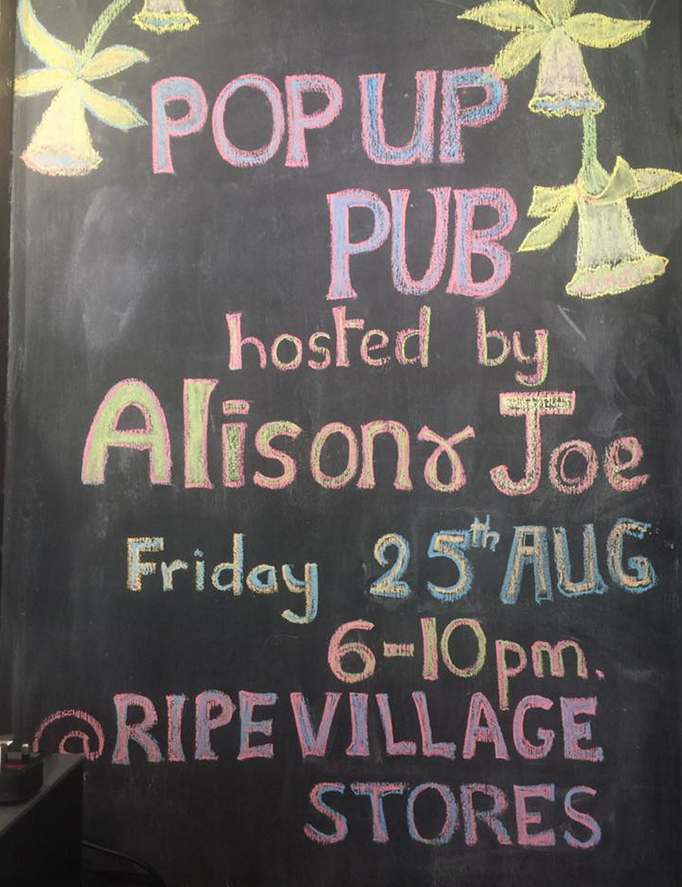
Then there are village shops. Only patchily viable in normal times due to competition from supermarkets real and digital, across the country some 400 are lost permanently every year. Yet suddenly in 2020 village shops were in high demand again, such as Ripe Village Stores, situated in another rural East Sussex village that lost its only pub a few years ago. Many such stores proved an essential lifeline for residents confined to their homes during the pandemic lockdowns, but has this been their salvation or merely a short-term life support intervention? Certainly, without at least one of these key hubs surviving, villages will lose their sole meeting place, amenity and heart, resulting in residents drifting away to better-equipped towns. And Sussex will no longer be the desirable place to live − or visit − it had become.
So have there been winners in this post-COVID property challenge? Perhaps there have. Market towns and suburbs are bustling with life, as former commuters realise the downsides of travelling daily to their workplaces in cities: the cost of season tickets, the stress of using crowded and unreliable public transport (especially true in East Sussex), and missing out on the joys of everyday family life, to suggest a few.
True, there are particular trials and tribulations for seaside towns reliant on tourism. Large hotels, theatres and shopping centres all fall into the category of city centre assets lacking COVID-era commercial viability: either too big or too specialised to convert easily to another use. However, modestly sized towns like Uckfield, Seaford or Heathfield offer an array of amenities and independent shops able to supply almost anything, often within walking distance.
House prices vary according to criteria ranging from aesthetics to transport links, but are generally well below city levels. Most smaller towns are also close-knit communities, bringing together and nurturing the needs, tastes and talents of residents. It is through this sense of community − bolstered by enough functional public buildings − that smaller towns and suburbs may flourish while big cities and tiny villages struggle to find or sustain purpose, especially for those iconic buildings which have defined them up to now.
The buildings important to villages also tend to be purpose built, leaving them vulnerable to the demise of their intended use, while additionally lacking the asset value of city properties. Large edifices in cities (or their footprints) tend to be highly investable as assets and therefore are unlikely to remain fallow for long.
In the mid-70s, I worked in the London district of Southwark, a stone’s throw from Borough Market, which was then a failing reminder of how things used to be, rather than the trendy pre-COVID cornucopia it became. My workplace was a Victorian-era factory that had originally manufactured tin boxes. Housed on four floors, it had thick walls and floors, was totally outmoded and inefficient for its needs as a printing business, and it eventually closed − but survived as a building. Its repurposed destiny? A bright, modern-industrial development comprising offices, studios and meeting rooms with shared amenities such as a vaulted atrium, cafe, courtyard and gardens.
It also happens to be where the HQ for Byline Times is now located! Like that Metal Box Factory, I myself am now repurposed as a Bylines writer, 45 years on. There is hope for us all. Creativity regarding future use along with relevance to location would seem to be the best way forward whether in city, town or village.