


Anyone reading this, I’m sure, will have sat in a garden or park on a sunny day and observed a plane flying overhead. You may have pondered its destination, perhaps a little envious of the passengers jetting off to some exotic place. But far more important flights are happening above our heads, of which most of us are remarkably unaware.
In Southern England alone, some 3.5 trillion insects take to the skies each year in search of food and breeding grounds. Insect migrations are some of the most remarkable and underappreciated journeys on Earth.
Invisible intercontinental highways
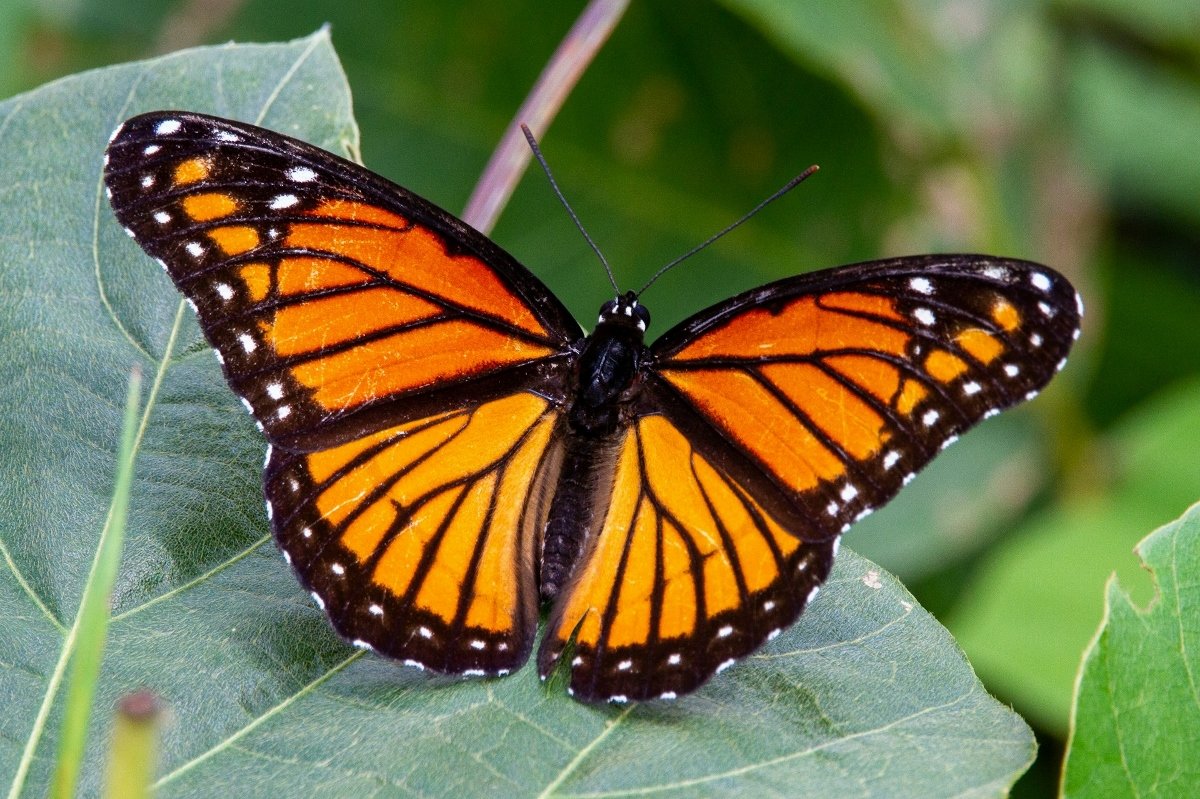
The monarch butterfly is perhaps the most iconic insect migrant. Each autumn, millions fly from the United States and Canada to overwintering sites in Mexico – a programmed response to seasonal changes and environmental cues such as light and wind. A single butterfly won’t live long enough to last the entire return trip, so migration is a relay race where those making the return journey will be the great, great grandchildren. To understand how this works, scientists have discovered that tiny internal clocks help them navigate using the sun’s position.
Monarchs aren’t alone. Many insects cross continents, even reaching remote places like Antarctica. Migration is a way of surviving through difficult times. Eristalis hoverflies hedge their bets. Some may head south to escape a possible hard winter, while others stay put to maximise their chances if the winter is mild.
Flies are the most prevalent migrating insect but even spiders accomplish these great journeys through ‘ballooning’ – climbing to a high point and releasing silk threads from their spinnerets to get aloft. Like an arachnid Phileas Fogg.
Grains of life
Picture an English meadow bursting with wildflowers in late spring. A painted lady butterfly stops after weeks in flight. Each time it settles on a flower to feed, it transfers tiny grains of pollen from other visited plants, simultaneously fertilising and sharing genetic material between flowers that would never otherwise meet.
Around 40 billion pollen grains are carried into Britain each year on hoverflies alone, including from drought-tolerant plants in hotter climes. This genetic diversity helps plants resist disease and adapt to climate change. In turn, higher plant diversity supports a wider range of insects – a virtuous cycle key to healthy ecosystems.
Ecosystem superheroes
Of course, we love to see pretty butterflies and furry bumblebees in our gardens, but every insect has its own unique superpower. While honey bees pollinate neighbouring fields, hoverflies pollinate neighbouring continents. They are also key to controlling the aphid population. Worryingly, 37% of all hoverfly species in Europe are now threatened with extinction.
The house fly is the great decomposer. They can lay 25,000 larvae which can decompose 1000 tonnes of cow manure. This reduces greenhouse gas emissions and prevents disease while creating nature’s own fertiliser. While you don’t want those guys landing on your dinner, you have to admit that’s impressive. Love them or loathe them, without Mrs Bluebottle and her friends, we’d be up to our eyeballs in poo!
Insects also play a key part in nutrient transfer, laying their eggs before dying off to provide a nutrient boost to plants in the early season.
Pollinators in peril
Around three-quarters of the world’s flowering plants rely on animal pollinators, most of which are insects. Without these mini-beasts, the production and quality of food crops like apples, almonds, berries, and coffee would plummet. Next time you complain about biting midges, know that without them there would be no chocolate!
Climate change is already shifting insect migrations in profound ways, with some species heading further to find suitable habitats. Others are shifting their timing. In a warmer spring, a hungry bee may emerge early from hibernation, before flowers have bloomed. With no food source it will die. Conversely, plants may bloom early before pollinators are active, reducing seed and fruit production.
The decline of insects – a trend some researchers label an “insect apocalypse” – has a profound impact on the food chain. To give a stark example, insect-eating birds like swifts, swallows and house martins have declined by nearly three billion over the last 50 years, whereas non-insect-eating birds are holding steady or increasing.
Creating nature’s highways
We can all play a part in supporting these tiny travelling wonders. Those who have gardens, allotments and balconies can plant a range of native flowers – like clovers, knapweeds, scabious and bird’s-foot trefoil. Like us, insects need food all year round so it helps to have a range of plants flowering from early spring through late autumn.
Avoid using pesticides and create bug-friendly, sheltered spaces like wood piles, bowls of water and bits of unmowed lawn. You can take part in schemes that promote nature corridors such as Weald to Waves and Wilder Ouse and buy food that is organic or from agroecological farms. Light pollution is reducing the nocturnal pollinator visits to flowers by 62% in some areas, so we can help by closing curtains, only using outside light when we need it and planting nocturnal flowering plants like honeysuckle and evening-primrose.
When we link our gardens, allotments, farms and road verges with nectar and shelter, we’re creating nature’s highways – helping insects move, feed, breed and adapt to climate changes. That’s good for biodiversity, local crops, and the joy of seeing our green spaces come alive.

CLICK HERE TO DONATE TO OUR CROWDFUNDER
HELP US BECOME STRONGER SO THAT WE CAN CONTINUE TO DELIVER POWERFUL CITIZEN JOURNALISM!






