


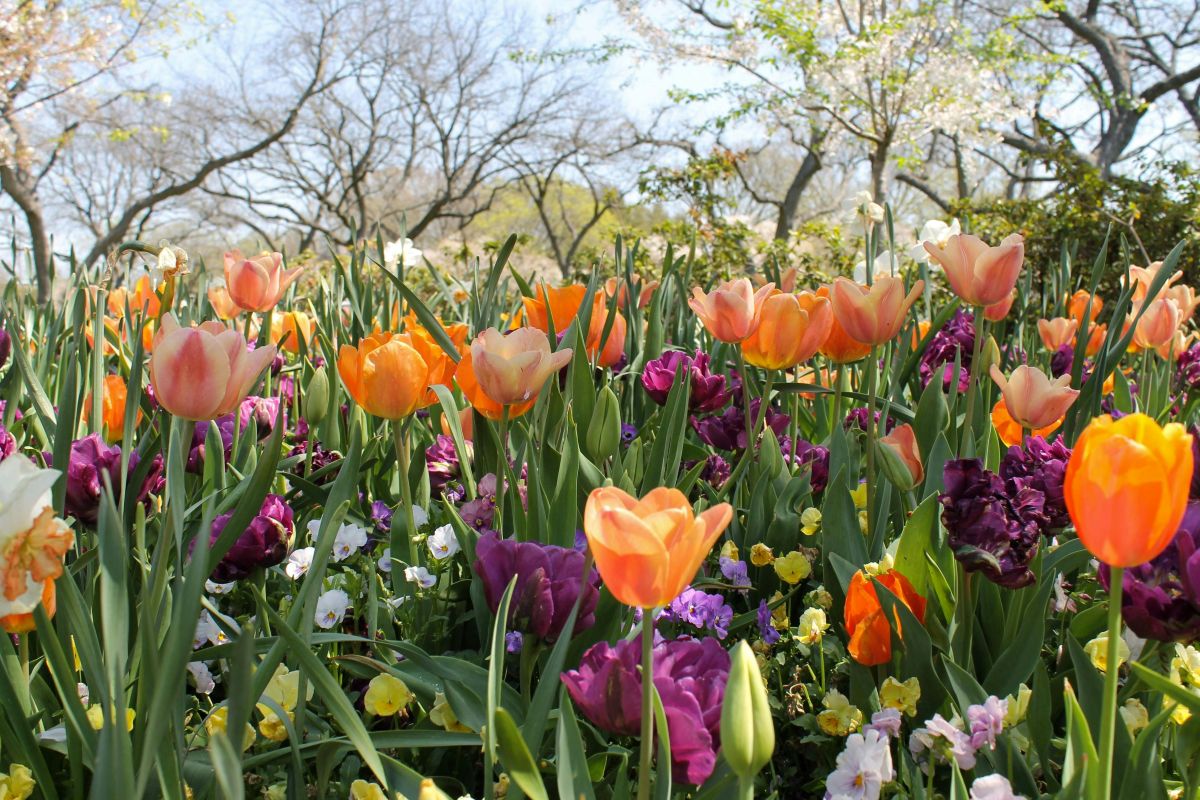
The equinox arrives, officially, at a precise moment. A timestamp, exact and clean, marked in almanacs and calendars. It suggests something sharp, a crossing of a line. Yet no one has ever truly felt it like that. There is no instant in which winter ends and spring begins, no audible click as the world tilts. What we experience instead is something slower, more interior. A change that gathers rather than strikes. A quiet shift that begins long before we think to name it.
We rise from winter slowly. Not with any sense of occasion, but as if emerging from something deep and necessary. Winter holds us more than we realise. It narrows the days, yes, but it also draws us inward. Our thoughts become more contained, our energies more guarded. There is a kind of relief in that – the permission to be still, to do less, to retreat from the constant demand for forward motion.
So when the shift begins, it does not announce itself. The body notices before the mind does. A slight restlessness. A sense that something is expected, though we are not yet sure what. The air changes in ways too subtle to name outright – a softness where once there was an edge. The cold does not vanish, but it loosens. It stops insisting.
Nothing rushes. Nothing declares itself. The light, though it lengthens, does so almost politely, as if careful not to startle us. You notice it sideways – the way the afternoon lingers a little longer than it did last week, the way the morning feels less reluctant.
The land leads, as it always does. The earth softens first. Before we allow ourselves to change, the ground beneath us has already begun. Frost retreats. Water finds its voice again. In the hedgerows, what looked finished begins, quietly, to gather itself.
There is a moment, walking out, when you realise the world is no longer entirely asleep. Not awake, not yet, but definitely stirring. It is there in the dampness underfoot, in the faint movement at the edges of things. You sense it rather than see it. A loosening.
And then, almost imperceptibly, it begins in us.
We feel it before we name it. A restlessness in the ribs, a warmth in the palms. Small things, easily dismissed, but they accumulate. You find yourself wanting to move a little more, to step outside without quite knowing why. Tasks that felt heavy in January begin to feel possible again. Not easy, not effortless – but within reach.
It is not productivity in the modern sense, not the abrupt return to busyness. It is something older than that. A re-engagement. A willingness.
There is also, quietly, a drawing together. Not arranged or scheduled, but instinctive. A sense that this shift is not meant to be felt entirely alone. The old rhythms still live somewhere in us – the impulse to gather, to share warmth, to recognise the turning of the season not as individuals, but as part of something wider.
The change itself is not loud. It does not arrive as a burst of energy or a sudden transformation. It works its way inward, into bone and breath. It becomes something carried rather than something observed.
After the tightness of winter – the holding, the conserving – the body begins to trust again. Not fully, not all at once, but enough. Enough to stretch, to reach, to consider what might come next.
Winter loosens its grip. The pulse returns.
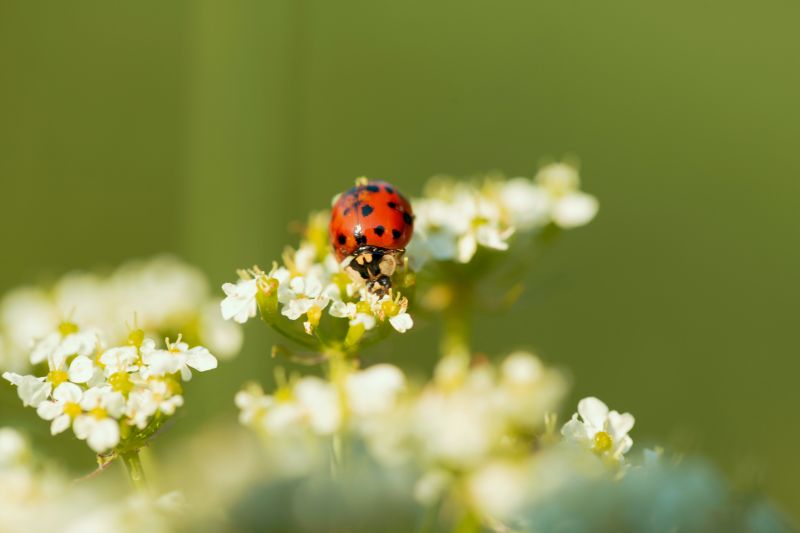
Even then, it is not dramatic. It is not the triumphant return of life, but its quiet resumption. The pulse was never entirely gone; it was simply slowed, drawn inward, protected. Now it begins to move outward again, into the world.
This is the quickening. Not sudden, not fierce, but certain. There is no doubt in the season, even if there is hesitation in us. The land does not question its own turning. It moves forward with a calm inevitability.
We, on the other hand, often resist. We measure ourselves against expectations, against the idea that we should feel immediately transformed – more energetic, more motivated, more alive. But the truth is gentler than that.
What stirs in the soil stirs in us. The connection, which winter can sometimes obscure, becomes visible again. Not as something dramatic, but as something steady and familiar.
And with that comes a different kind of movement. Not urgency, but participation. We do not force ourselves into spring; we rise into it, gradually, as the land does.
Perhaps this is the truer way to understand the equinox – not as a date to be marked, but as a feeling to be recognised. A subtle but undeniable change in mood, in attention, in willingness. You might notice it in the way you open a window without thinking, or in the sudden appeal of a longer walk, or in the simple act of beginning something that has been waiting.
It will not arrive all at once. It will not be the same for everyone. But it will come.
And when it does, it will feel less like a moment, and more like a remembering.

CLICK HERE TO DONATE TO OUR CROWDFUNDER
HELP US BECOME STRONGER SO THAT WE CAN CONTINUE TO DELIVER POWERFUL CITIZEN JOURNALISM!





