


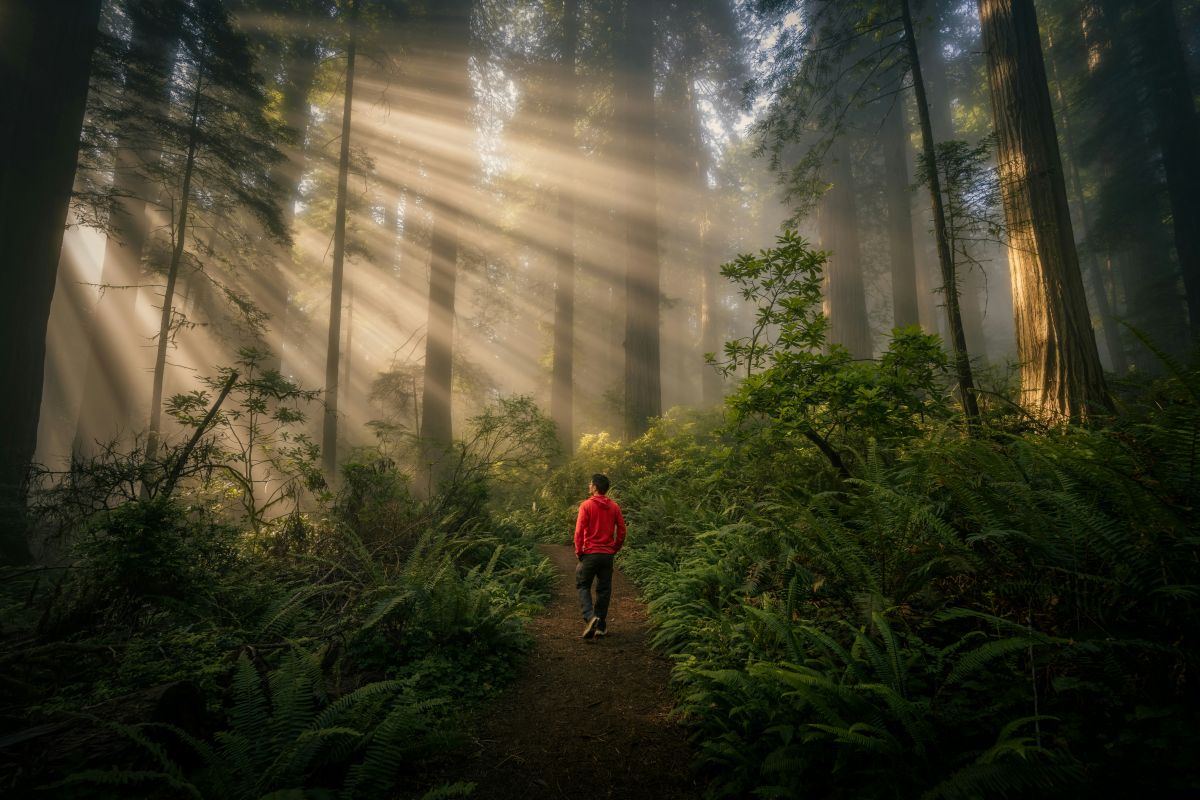
I was standing in the forest just after dawn when the thought arrived. Not all at once. Gradually, as the forest woke around me.
A robin somewhere close in the hazel. Blackbirds further off. Wrens moving invisibly through the undergrowth. Wind passing through the canopy with a sound like distant rain.
The forest was full of noise. Constant noise. But none of it felt intrusive.
And beneath it all was something else I could sense almost immediately: the absence of machinery.
No traffic in the distance. No aircraft overhead. No hum of engines carrying across the landscape. For a few minutes there was nothing mechanical anywhere near me, and it made me wonder what the world must once have sounded like before we filled it with ourselves.
We often describe the past as quiet, but that is probably the wrong word for it. Before roads, generators and aircraft, the world would still have been loud with natural sound. Rivers moving over stone. Wind pushing through trees. Rain crossing open land. Insects in long summer grass. Waves striking dark coastlines at night.
Human life sat within those sounds rather than on top of them.
Footsteps on paths. Hand tools. Distant voices. Church bells carrying across valleys. Even busy places would have had pauses in them. Moments where nothing much happened except weather and birdsong.
Standing there among the trees, I realised how unusual that has become.
Even in the countryside now, modern life eventually reaches you. A plane high overhead. A chainsaw beyond the hills. The low wash of traffic carried for miles on damp air. We are so used to filtering these sounds out that we barely notice we are doing it.
Perhaps that is one reason forests still affect people so deeply. Not because they are magical, but because they remove a layer of interruption we have learned to accept as normal. Nothing in a woodland demands an immediate response. There are no alerts. No updates. No pressure to react.
After a while the mind begins to slow down to match the place around it. It is easy to forget how recent our noise really is.
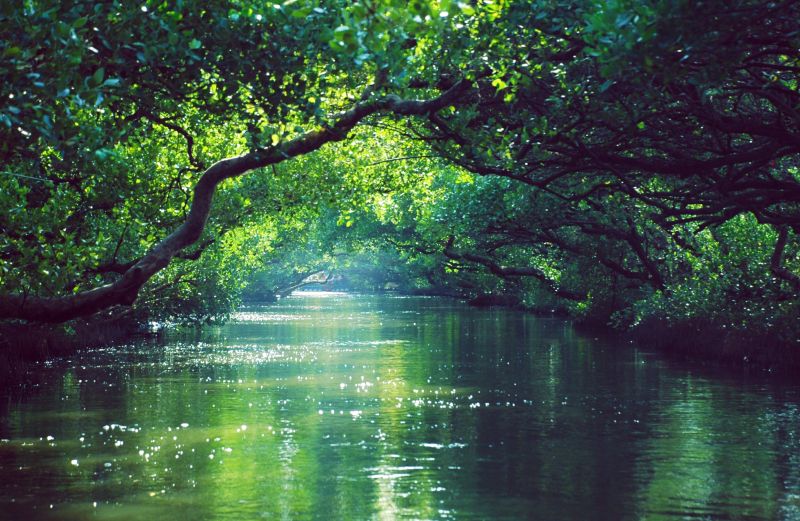
For most of human history there were limits to stimulation. Darkness arrived and the day ended with it. Distance still meant distance. News travelled slowly. Silence was not something people searched for on retreats or wellness apps. It was simply part of ordinary life.
People probably knew boredom more intimately than we do now. But they may also have known attention in a deeper way.
Now the day never properly finishes. There is always another message waiting somewhere. Another headline. Another voice speaking from a screen. Even moments that should be quiet are often filled deliberately with sound. Music while walking. Podcasts while cooking. Television murmuring in empty rooms.
Many people now move through life inside an almost continuous layer of human noise. The strange thing is that when genuine stillness finally appears, it can feel uncomfortable at first. Too exposed. Too empty.
Perhaps because silence leaves us alone with our thoughts.
Thought itself seems to work differently once interruption disappears. Some ideas only arrive slowly. During long walks. Quiet mornings. Repetitive tasks. Moments where nothing in particular is happening.
Forests still seem to understand this better than we do. They ask very little from us apart from attention. None of this is an argument against progress. Modern life brought extraordinary improvements. Longer lives. Safer childbirth. Medicine, heating, travel and communication that earlier generations could scarcely imagine. Few people would genuinely choose the hardships of the past over modern comfort.
But progress becomes harder to measure once the costs are internal rather than physical.
A society can become more advanced while its people grow more distracted, restless and exhausted. We are connected constantly and interrupted constantly. The mind rarely gets the chance to settle before something else demands attention.
Human beings evolved within rhythms of weather, labour, daylight and rest. Now many of us absorb more information in a single day than earlier generations encountered in weeks. The body notices, even if we pretend otherwise. That may be why certain places still stop people in their tracks. A forest at dawn. Snow falling at night. A quiet coastline out of season.
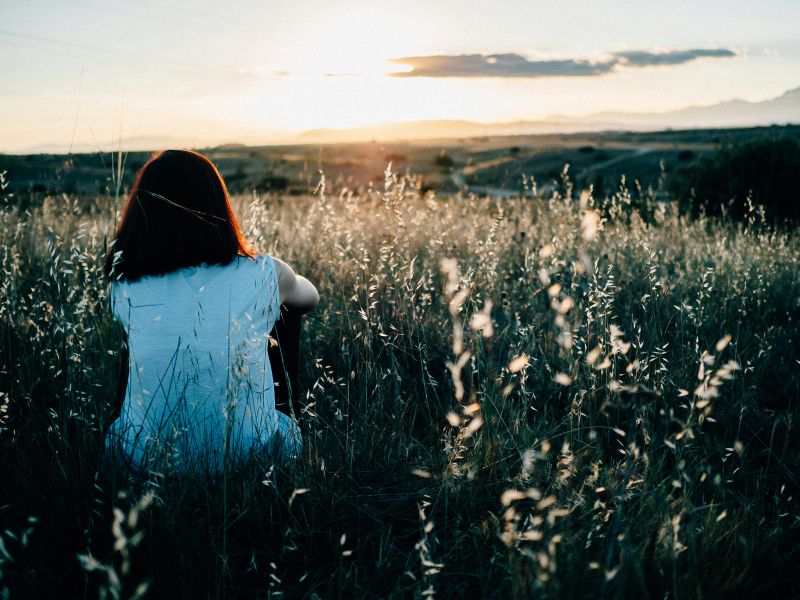
In places like that, you notice how unnatural constant noise has become.
You also notice something else. How quickly the nervous system responds once the noise disappears. Muscles loosen. Breathing slows. Thoughts become less scattered. Time itself seems to widen slightly.
Not because nature is mystical, but because the brain is no longer trying to process twenty things at once.
As I stood listening to the dawn chorus that morning, I realised how rarely I hear layered sound untouched by machinery. The birds were not performing. The trees were not scenery. The forest was carrying on exactly as it always had. Long before engines. Long before roads. Long before people organised life around speed and productivity.
For a few minutes it was possible to feel a different pace of existence altogether. Not easier. Not romantic. Earlier generations endured hardships most of us would struggle with now. Physical labour. Illness. Uncertainty. Shorter lives. It would be foolish to pretend otherwise.
But something may still have been lost when uninterrupted silence disappeared from ordinary life.
Not silence as the absence of sound, but silence as the absence of interruption.
The kind that allows thought to deepen properly. The kind where attention settles instead of jumping constantly between distractions. The kind where a person can stand in one place for ten minutes without feeling the urge to reach for a screen.
Eventually the modern world returned, as it always does.
A plane passed overhead, faint but unmistakable, and the atmosphere changed immediately. The spell loosened. The older rhythm disappeared beneath the familiar sound of machinery crossing the sky.
But for a short while before that, standing beneath the trees in the dawn chorus, it was possible to remember that human beings once lived differently.
At a slower pace.
And perhaps with a little more room for thought.

CLICK HERE TO DONATE TO OUR CROWDFUNDER
HELP US BECOME STRONGER SO THAT WE CAN CONTINUE TO DELIVER POWERFUL CITIZEN JOURNALISM!





