


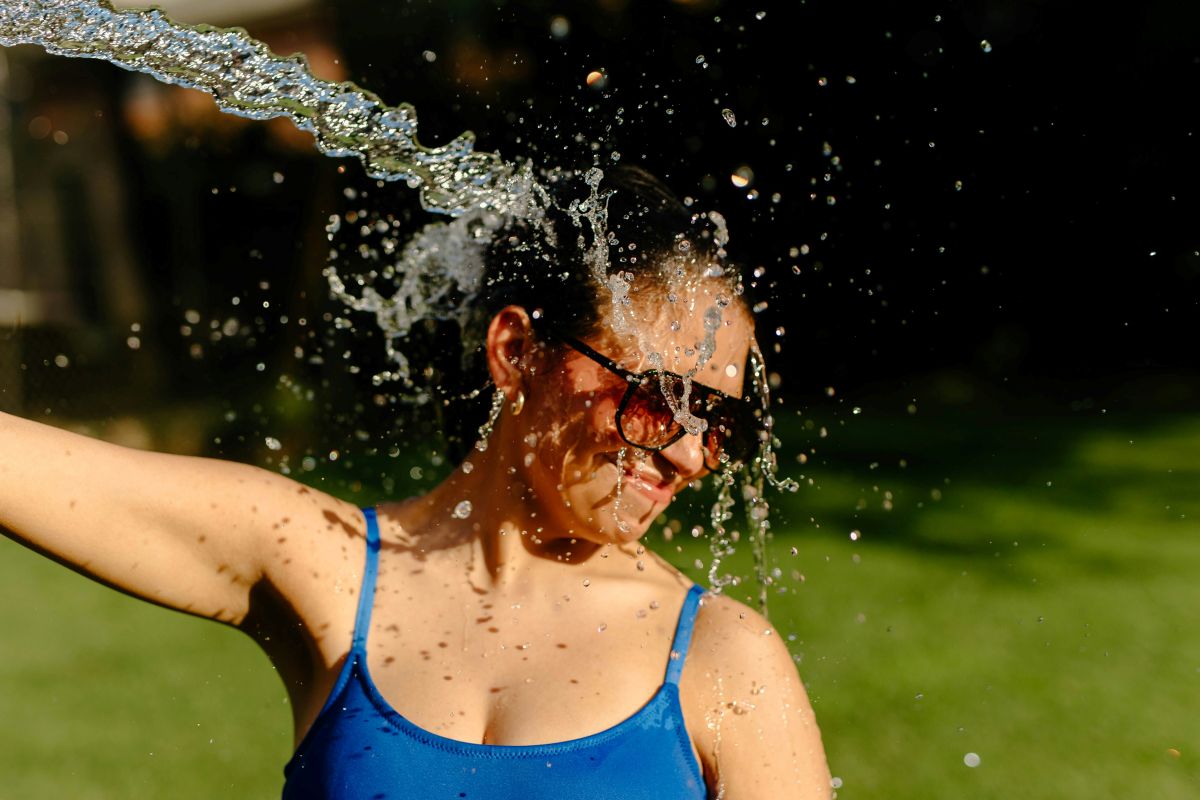
There is a certain kind of heat that belongs in Britain, and most of us know it well. A few bright days in July. Warm stone walls holding the evening sun. The scent of cut grass drifting through an open window. Children barefoot in the garden until almost nine o’clock, while somewhere nearby a blackbird continues singing into the dusk.
But this feels different.
It is only May, and already the air in parts of the country carries the heaviness of high summer. Roads shimmer by midday. Bedrooms remain warm deep into the night. People pause during ordinary conversations to say the same thing in slightly different ways: This doesn’t feel right for the time of year.
Perhaps that is because somewhere beneath the small talk we recognise something difficult but undeniable – the seasons are changing around us.
Part of the reason may lie in a climate pattern known as El Niño, a warming of Pacific Ocean waters that returns every few years and influences weather systems across the world. On its own it is not unusual. It has existed for centuries. But when these natural cycles combine with a warming planet, the effects can become sharper, more unpredictable and more intense.
For Britain, that may mean hotter summers than many people still imagine possible.
Temperatures exceeding 40 degrees
Not long ago, the idea of temperatures exceeding 40 degrees in the United Kingdom sounded faintly ridiculous. The sort of thing people would laugh about while standing beside a barbecue in twenty-four degree sunshine. Britain was known for drizzle, grey skies and apologetic summers. We built our homes to keep warmth in because for generations this was the priority.
Then came the summer when the country crossed forty degrees for the first time.
Suddenly railway lines bent beneath the heat. Grass turned brittle and yellow. Fire crews battled blazes in places more accustomed to floods than flames. Hospitals struggled under pressure from dehydration, exhaustion and heat-related illness. Many older people, especially those living alone in homes insulated to keep the heat in, simply could not cool themselves properly.
What startled people most was not only the temperature itself, but the feeling that something once thought impossible had quietly become real.
That may be the hardest part of climate change for ordinary people to grasp. It rarely arrives all at once like a scene from a disaster film. More often it enters gradually through small recognitions. Winters that feel softer than they once did. Spring flowers appearing earlier. Summers lingering longer into September. A sense that familiar patterns no longer behave quite as they used to.
We adapt
And yet human beings are adaptable creatures. We always have been.
Across history people have endured shifting climates, difficult harvests, bitter winters and years of drought. Communities survived not because they conquered nature, but because they learned to live attentively beside it. They noticed the land, they adjusted their habits. They understood that survival often depended upon cooperation rather than stubbornness.
Perhaps that is something modern Britain may need to rediscover.
Heat affects this country differently because we are not prepared for it in the way southern nations are. Many British homes trap warmth extremely well, which is ideal in January but far less welcome during consecutive thirty-degree nights. Our towns and cities absorb heat through concrete, brick and asphalt. Public transport strains and tempers shorten. Sleep becomes difficult. Even healthy people begin to feel drained after several days without relief.
It seems harmless – but maybe not
The danger with heat is that it often appears deceptively harmless. Sunshine feels cheerful. Blue skies encourage people outdoors. There are jokes about ice creams melting before children can finish them. But extreme heat places enormous stress upon the body, especially for the elderly, the very young and those with existing health conditions. Dehydration creeps quietly upon people. Exhaustion disguises itself as irritability or fatigue. Nights without proper cooling slowly wear the body down.
And there is another truth many people instinctively feel but rarely speak aloud: Britain itself was shaped by a cooler climate. The landscape we think of as familiar – green fields, soft lawns, dense hedgerows, damp woodlands – depends upon a certain balance of rainfall and temperature. When prolonged heat arrives, the country looks different. Rivers shrink, grass burns, trees begin dropping leaves months early as a form of self-protection. Even birdsong changes in the stillness of overheated afternoons.
None of this means catastrophe is inevitable. But it does mean adaptation is becoming necessary rather than optional.
Already people are beginning to change small habits without fully noticing it. Curtains remain closed during the hottest hours of the day. Water bottles travel everywhere. Gardeners choose drought-resistant plants. More trees are being planted in urban spaces because shade is no longer simply decorative but protective. Neighbours check on elderly relatives during heatwaves in the same way they once did during snowstorms.
These are not dramatic acts. They are ordinary human responses to changing conditions.
Perhaps that is why the conversation around climate so often becomes unhelpful. People are either pushed toward panic or toward denial, when most human beings live somewhere between the two. Most people simply want honesty. They want to know what is happening without being scolded or frightened into helplessness.
The reality seems clear enough now. Heatwaves that once felt extraordinary are becoming more common. Records continue to be broken across Europe. Scientists speak less about whether the climate is changing and more about how quickly societies can adapt to what is already unfolding.
Yet even within that reality there remains space for perspective and humanity.
Weather is part of our culture
Britain has always been shaped by weather. Entire moods and memories are tied to it. We talk about it constantly not because we are dull people, but because weather has always quietly governed daily life upon these islands. Farmers watched the skies. Sailors studied the wind. Villages prepared for hard winters together. The natural world was not background scenery to earlier generations. It was an active presence shaping existence itself.
Modern life sometimes encourages the illusion that we stand apart from those rhythms now, sealed behind screens and insulated walls. But a prolonged heatwave quickly reminds us otherwise. We remain physical creatures dependent upon water, shade, sleep, food and one another.
Perhaps that is the deeper lesson arriving with this strange early warmth. Not fear. Not despair. Simply remembrance.
A reminder that comfort is fragile. That seasons and communities and trees matter. That the old instincts of checking on neighbours, sharing resources and paying attention to the land were never primitive habits at all, but forms of quiet wisdom.
The heat at the door may indeed become more familiar in the years ahead.
If so, the answer will not be found in panic, but in attentiveness – in learning once again how to live well within the realities of the world as it truly is, rather than the world we assumed would always remain unchanged.

CLICK HERE TO DONATE TO OUR CROWDFUNDER
HELP US BECOME STRONGER SO THAT WE CAN CONTINUE TO DELIVER POWERFUL CITIZEN JOURNALISM!





