


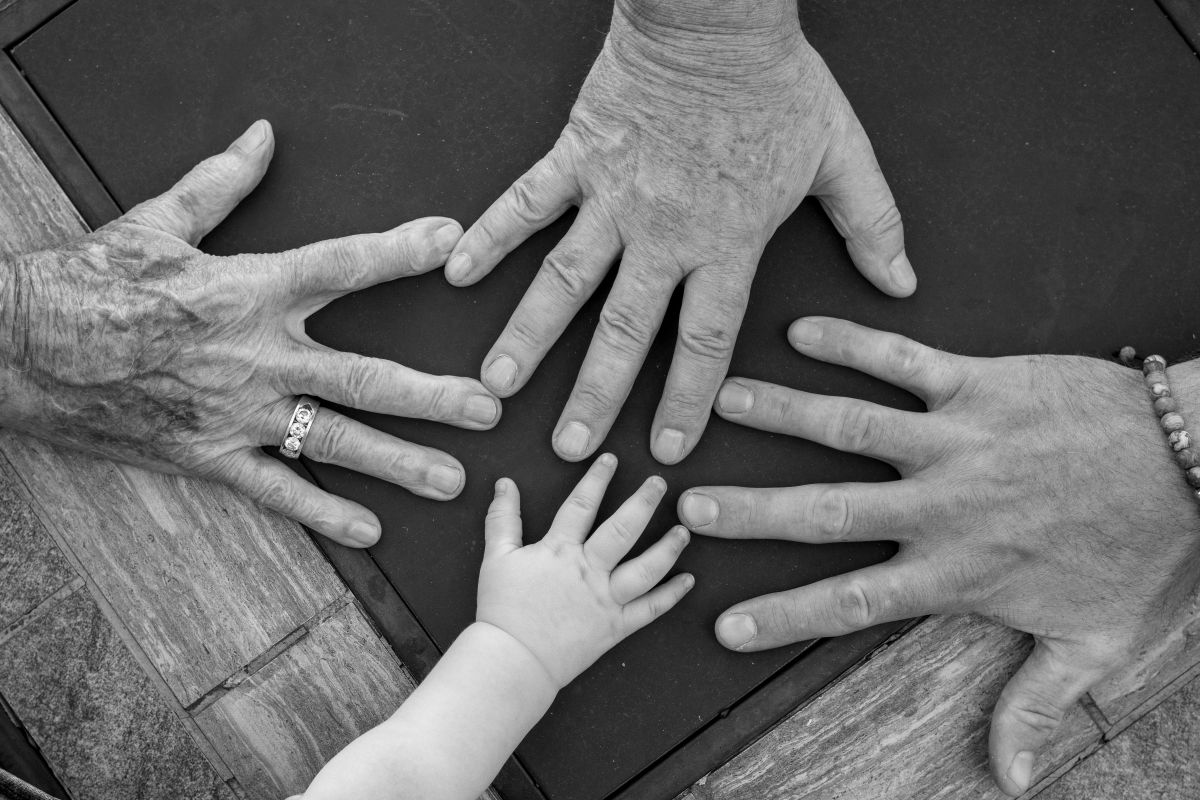
There was a time when becoming an adult was not marked simply by reaching a particular birthday. It was something that gradually emerged through responsibility, experience and the quiet influence of those who had already walked the road before us. Children grew up surrounded by parents, grandparents, neighbours, tradespeople and elders, each passing on something of themselves. Some taught practical skills, others offered stories, encouragement or the kind of perspective that only comes from living through difficult times. No one person carried all the answers, but together they formed an education that reached far beyond the classroom.
Our world looks rather different today.
Many families no longer spend their lives in the same town, let alone the same street. Opportunities for work and education have given people the freedom to move, and in many respects that has enriched our lives. Yet mobility has also changed the rhythm of family life. Grandparents may see their grandchildren only occasionally. Brothers and sisters can live hundreds of miles apart. The wider family, once woven into everyday life, has become something we often reconnect with during holidays, birthdays and Christmas gatherings.
Staying connected is different to sharing a life together
Technology has made it easier than ever to remain in contact, but staying connected is not quite the same as sharing a life. There is a difference between speaking through a screen and learning through countless ordinary moments that happen almost unnoticed when generations live alongside one another.
I found myself reflecting on this recently while sitting outside a café overlooking Ferring Beach. Three generations of one family had stopped after a morning by the sea. The children, newly released for the summer holidays, were full of energy, their parents carried that familiar look of quiet exhaustion that accompanies raising a young family, while their grandmother sat peacefully taking in the view and the activity around her.
Every so often one of the adults asked whether she was comfortable or needed anything before attention naturally returned to the children or drifted out towards the sea. It was an entirely ordinary family scene, and I would be foolish to imagine I understood their relationships from a few passing moments.
Yet it left me wondering how often modern life allows generations simply to sit together long enough for stories, memories and experience to be exchanged in the unplanned way they once were.
Perhaps that is why I sometimes wonder whether we have quietly lost something far more important than tradition.
Coming of age customs are changing
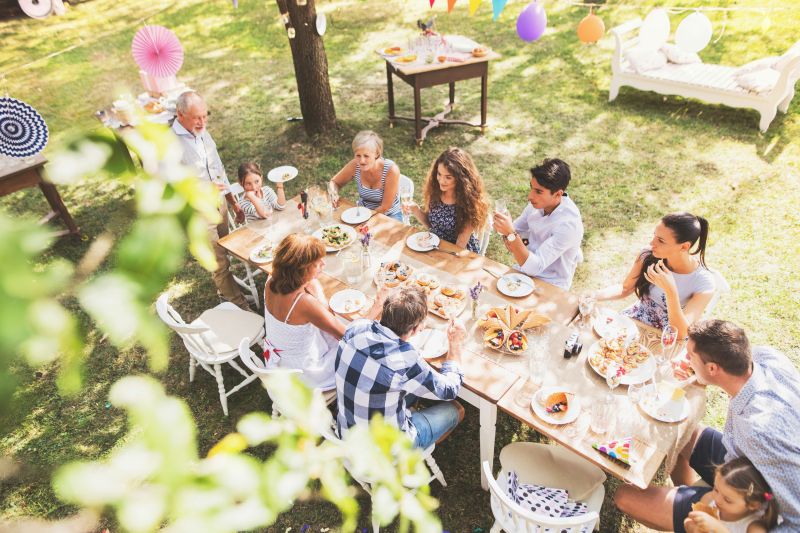
Around the world, many Indigenous communities speak with genuine concern about younger generations becoming disconnected from language, ceremony and ancestral knowledge. Their concern is not simply that old customs might disappear, but that the thread linking one generation to the next may begin to fray.
Although the circumstances differ, I wonder whether the modern West is quietly asking the same question in its own way.
For centuries, every society found ways of helping young people cross the threshold into adulthood. The ceremonies varied enormously from one culture to another, and some would rightly have no place in the modern world. Yet behind those differences lay a common understanding: becoming an adult required more than growing older. It involved learning responsibility, discovering your place within a community and recognising that your actions now carried consequences beyond yourself.
Today we have replaced many of those cultural transitions with legal ones. At sixteen, eighteen or twenty-one we are granted new rights and responsibilities. We leave school, gain qualifications, begin careers and receive the documents that recognise us as adults in the eyes of the law.
These are important milestones, yet they do not necessarily answer a deeper question. When do we truly begin to feel like adults, and who helps us make that journey?
Perhaps that uncertainty explains why so many people, even in their forties or fifties, quietly admit they still do not feel as though they have entirely worked life out. We have become highly educated, yet many of the lessons that shape a human life are rarely taught in any formal sense.
We prepare for employment and careers, but where do we learn to cope with grief, disappointment, uncertainty, ageing, purpose or the slow process of becoming comfortable with ourselves?
Wisdom is passed down by witnessing and discussions
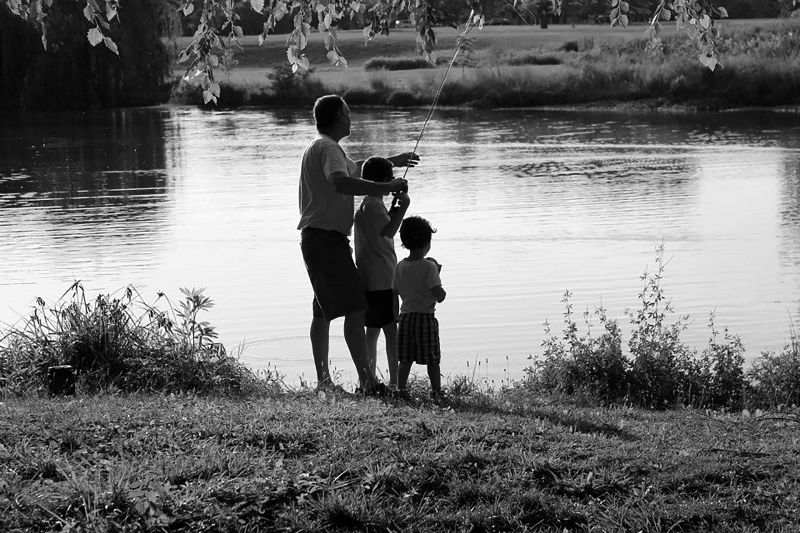
That was never solely the responsibility of schools. Those lessons once emerged naturally through families, communities and the simple act of living alongside people who had travelled further than we had. Wisdom was not delivered as a lecture. It appeared in conversations over meals, while working together, during difficult times and in the countless small moments that children absorbed without ever realising they were being taught.
At the same time, our relationship with age itself appears to be changing. Modern society rightly celebrates innovation, fresh thinking and youthful energy, yet there are moments when it feels as though experience has quietly become less fashionable. Older people are too often spoken about in terms of retirement, healthcare or economic cost rather than as people who carry decades of lived experience. Of course, age alone does not create wisdom. Even so, when a society stops listening to its elders, it risks losing something that cannot easily be recovered.
The irony is that we have never possessed so much information. Within moments we can answer almost any factual question, learn a new skill or explore ideas from every corner of the world. Information has become abundant. Wisdom, however, has always grown more slowly. It emerges through reflection, relationships, mistakes and time. No search engine can substitute for a conversation with someone who has already walked through the very uncertainty you are now facing.
How do we create the relationships between generations?
None of this is an argument for returning to some imagined golden age. The past was never as simple as memory sometimes suggests, and every generation has faced its own struggles. The more interesting question is not how we recover what has gone, but how we carry forward what was valuable within it.
If families are more scattered than they once were, how do we create meaningful relationships between generations? If communities are less rooted, where do young people find mentors who help them navigate the uncertainties of life? If we are living longer than ever before, how might we begin to see older people not as a burden to be managed but as a resource to be cherished?
Every generation inherits knowledge from those who came before. The form in which that knowledge is passed on has always changed, but the need itself has not.
We may have built a society that excels at teaching people how to make a living.
The greater challenge now may be remembering how to help one another become fully human.

CLICK HERE TO DONATE TO OUR CROWDFUNDER
HELP US BECOME STRONGER SO THAT WE CAN CONTINUE TO DELIVER POWERFUL CITIZEN JOURNALISM!






