
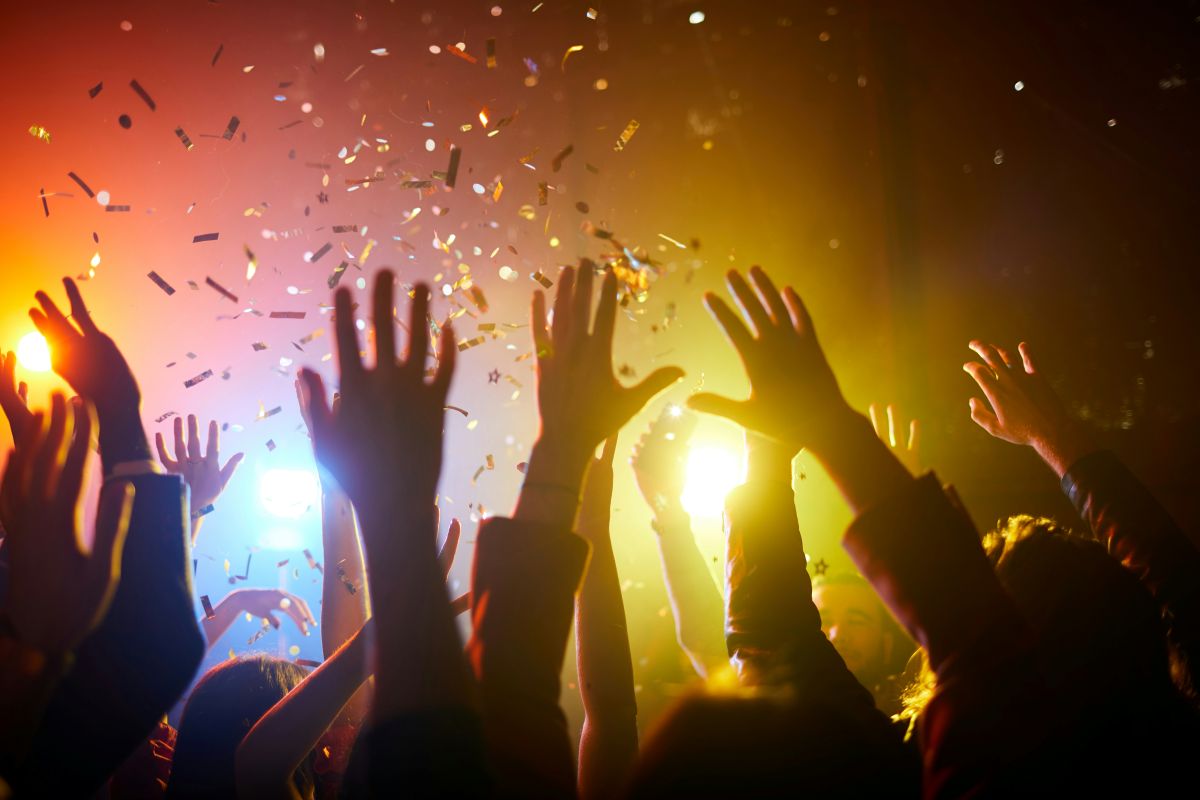
I’m a younger…ish millennial, which means I’m old enough to remember when going to a music festival felt like escaping the real world for a weekend.
You bought an overpriced pint in a flimsy plastic cup, lost your friends, watched a band you’d never heard of and spent three days pretending sleeping in a tent was enjoyable. Your phone died by Saturday afternoon and, strangely, it didn’t really matter. For a few days, normal life stopped, and it was pure bliss.
These days, I feel like we’re losing that sense of escapism. Politics has always had a place in music. Pretending otherwise would be ridiculous. From punk and anti-war songs to Live Aid, musicians have always spoken about causes they’re passionate about. Academics have even described festivals as spaces of “pleasure-politics”, where enjoyment and political participation can coexist.
But something feels different today. Political messaging no longer seems confined to explicitly political artists or events organised around particular causes. You increasingly encounter it at mainstream festivals and even smaller local events where you might reasonably have expected the focus to be music, food and community. Rather than providing a backdrop for broader political and cultural expression, festivals increasingly seem to be becoming platforms for specific political campaigns, with particular causes promoted explicitly from the stage and visibly championed by sections of the audience. The distinction isn’t between political and apolitical festivals, but between politics as part of the festival experience and political campaigning becoming one of its defining features.
The Palestinian cause, for example, has become particularly prominent in this dilemma. Flags, speeches, chants and political statements have become increasingly visible within festival culture. Whatever your position on Israel and Palestine, surely there is a legitimate question here: does every cultural space need to become another arena for one of the most divisive geopolitical conflicts of our time?
Sometimes I just want to watch a band and enjoy the music without feeling like I’m at a political party conference. That might sound naive considering the seriousness of what is happening around the world. But escapism is necessary in such a tense period of our lives.
Researchers have repeatedly identified escape and relaxation as important motivations for going to festivals, alongside socialisation, cultural exploration and, God forbid, enjoyment! A 2026 study found that escapism was the strongest predictor of people’s attachment to the festival experience. In other words, wanting to switch off is an essential reason why people go to festivals in the first place, yet when they arrive, it seems to be anything but.
A place to escape
Britain desperately needs spaces to escape our worries. We spend virtually every waking hour connected to the world’s problems. Open X and there’s a war. Open Instagram and there’s an infographic. TikTok can take you from a standup clip to footage of human suffering in seconds. And push notifications deliver another crisis before you’ve even lifted off the covers.
Then there are the problems closer to home: the cost of living, housing, public services, political division and the uncomfortable feeling among many millennials that adulthood turned out considerably harder than advertised in the films. Surely we’re allowed to wear a poncho and a pair of wellies in a muddy field somewhere where none of that matters for a couple of days?
Research has even shown that festivals are positive influences on social, mental and emotional wellbeing. As someone who attended Glastonbury in 2016, I can firmly attest to this being true. Festivals also create a shared, albeit temporary, sense of togetherness between strangers who have stepped outside ordinary life to let go together, something known as “communitas”. Discussing divisive politics at these events risks breaking up a crowd that assembled for an entirely different reason.
Once political messaging becomes an expected feature of festivals, one of our few remaining communal spaces risks becoming another extension of the culture war. People start wondering whether they’re supposed to agree with whatever is being projected from the stage. Those who disagree feel alienated, while silence itself can increasingly be interpreted as taking a side.
Suddenly festival-going is no longer an escape from social media. It’s just social media with tents. A 2026 paper argued that viewing festivals simply as bubbles of escapism or apolitical celebration is increasingly outdated, describing them instead as places where wider social tensions and disputes play out. This is a starkly worrying path for festival culture to be heading down.
Artists have every right to hold opinions, and audiences have every right to respond but it’s about recognising the value of cultural spaces where politics doesn’t have to dominate everything.
Millennials have spent most of their adult lives stumbling from one crisis to another: the financial crash, austerity, Brexit, Covid, inflation and a housing crisis. Maybe wanting two days of music and pints isn’t political apathy.
Maybe it’s precisely because the world feels so serious that those two days matter. Music festivals once gave us permission to disappear from ordinary life for a while. I’d quite like that feeling back.

CLICK HERE TO DONATE TO OUR CROWDFUNDER
HELP US BECOME STRONGER SO THAT WE CAN CONTINUE TO DELIVER POWERFUL CITIZEN JOURNALISM!