


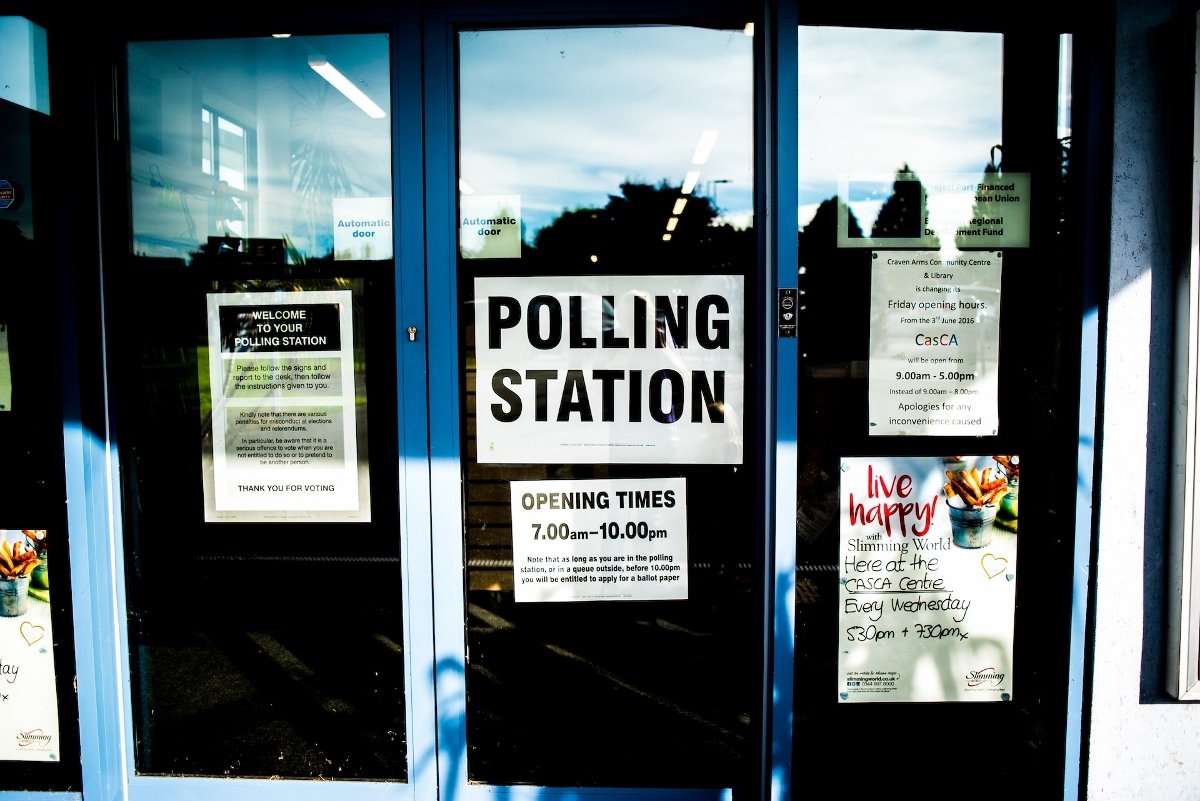
Can’t be bothered with voting? Think again. Look what happened over Brexit, when the country was wrecked at the misinformed behest of just 37 per cent of the electorate. Imagine what might have happened if more had voted!
Democracy means voting, like school means homework. It is what we all need to do for our own future. In a democracy, we theoretically have the opportunity not given to billions around the world, to select and remove those who make decisions on our behalf about how the country is run.
Despite this, engagement in politics in UK, one of the oldest of democracies, is at a low ebb. The economy and public services are in tatters. Membership of political parties totals less than 1 million. Readership of news media is in decline, leaving the people so ill-informed that most have neither interest in nor information on what laws are enacted, investments made with public money or who is appointed into positions of power. Public respect for politicians is low. Millions decide not to vote when given the chance.
The power of voting
Just take the recent local government elections here in East Sussex: turnout for Wealden was 36 per cent, with 53 per cent in the highest voting wards (Danehill and Fletching) but just 22 per cent in Hailsham East. 82,000 potential voters failed to vote, leaving all decisions up to the 46,000 who bothered. Those who did vote decided upon a picture of significant change, with the Conservatives losing control of the district council for the first time in 25 years; while the rest stayed at home, no doubt continuing to grumble about potholes, paying council tax, wanting their bins emptied, having views on how their communities are developed. If they do, why not vote?
And what about parliamentary elections? Do non-voters not pay income tax, VAT, national insurance? Do they expect defence, policing, courts, healthcare, transport systems, all to some extent reliant on tax revenue? If so, they should vote, yet millions do not. They expect others to do it for them. They fail to take responsibility. By not voting, they are like members of a football team, hoping that the number 9 scores while they do nothing.
Why are so many disengaged?
We can speculate on reasons for disengagement:
- politics may be seen as someone else’s job;
- low awareness/interest/education in politics;
- mistrust or disgust in politicians’ perceived venality;
- electoral system preventing votes delivering representation.
All perfectly valid but…taxation is surely one of the least popular manifestations of politics, yet we all (with the exception of some who are wealthy enough to pay accountants to save them the bother) pay them and benefit variably from them.
The one chance we have to influence our own or any tax is when we vote. “No taxation without representation” seems a fair demand when the current voting system results in millions being unrepresented in the House of Commons by virtue either of voting for a party that has no chance of winning in their home constituencies; or of not voting.
Voting is a duty, isn’t it?
Voting is the means by which we can express ourselves – at least in theory. This theory only really works if there is a fair voting system which allows representation in local authorities and/or Parliament of conflicting views. If such a system is to be allowed at last, the quid pro quo must surely be that every citizen must vote, confident that their shade of opinion will be represented. This can work. Compulsory voting has been practised in Australia for over a century and with considerable public support.
It is surely a duty on each enfranchised citizen at least to show up for elections. Even a spoiled paper is better than staying away, despite the current government’s efforts to disenfranchise progressive-minded voters with the introduction of voter ID – though that backfired on them in the recent local elections.
Those who object to compulsion should accept that if they want the right to vote for their own favoured liberties, all should share that right. To quote from Jolyon Maugham:
“People think they want things to be better but lack the inclination to take even the small risks to bring that change about. It is in the accumulation of acts of turning away, of refusing to take personal responsibility, that we create the conditions for bad things to happen and for the world to get worse.”
Jolyon Maugham
Voting is one small step we can and should all take, every time.





