


Next week is the alluringly monikered Food Waste Action Week. It’s just one of the growing armoury of actions and campaigns to encourage us to speed up reduction of the frightening levels of waste produced by our society. It’s also a good time to review our local performance here in Brighton and Hove.
Around one-quarter of the calories the world produces is thrown away, with food waste being a major source of greenhouse gases (GHG). Food is spoiled or spilled in supply chains or wasted by retailers, restaurants and consumers. In total, some 30% of all food by weight is lost or wasted: this is the source of at least 6% of all global greenhouse gas emissions. To put this in further context, it’s around three times the global emissions from aviation.
Where’s the waste?
First, we need to better understand the problem, to get a clearer picture of exactly how our food finds its way to our plate. Research in London makes clear that half the waste is in the first stages of the food chain: harvesting problems, dodgy storage, rough handling or weather damage. The other half gets thrown away later, by wholesalers, retailers and households.
Of the food that actually reaches the market, some 80% goes to households with 12% going to restaurants, cafés, pubs, catering services and canteens. These are the areas of further wastage: 22% at the household level and 14% in the restaurant industry.
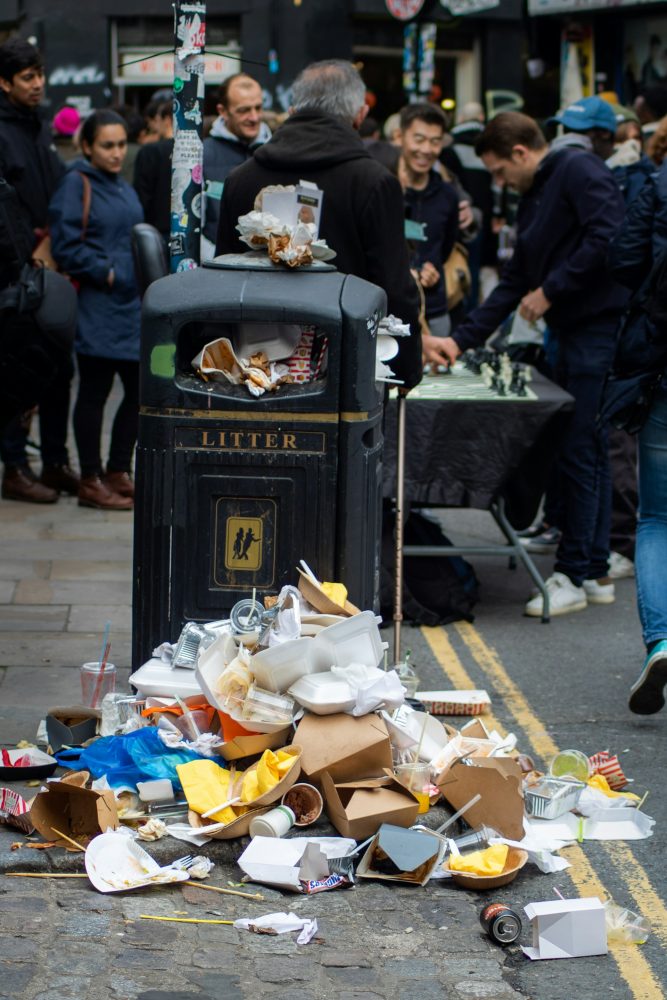
There are a variety of reasons why households throw food away, when 60% of it is perfectly edible. Of this avoidable waste, 48% is due to the food not being used before it spoils (and, remember, the sell-by date is a very poor guide for this). A further 31% is due to ‘too large servings’, 14% to ‘personal dislikes for certain foods’ and 4% to accidents such as freezer failure.
Obviously, it doesn’t have to be this way. If we could reduce waste, less food would be necessary, less land would need to be used in agricultural production and less carbon would be emitted. The land freed up could then be used for carbon sequestration and improved wildlife habitat.
The same London report suggests even moderate actions, where food loss and waste is reduced by just 20%, would lead to a 4.2% reduction in GHG. With more ambition, food loss and waste could be reduced by 50%, leading to a 10.5% reduction in GHG.
So what can we do?
In Brighton, we have a long and proud record of good practice in the food sector. But to reach net zero we have to do much better.
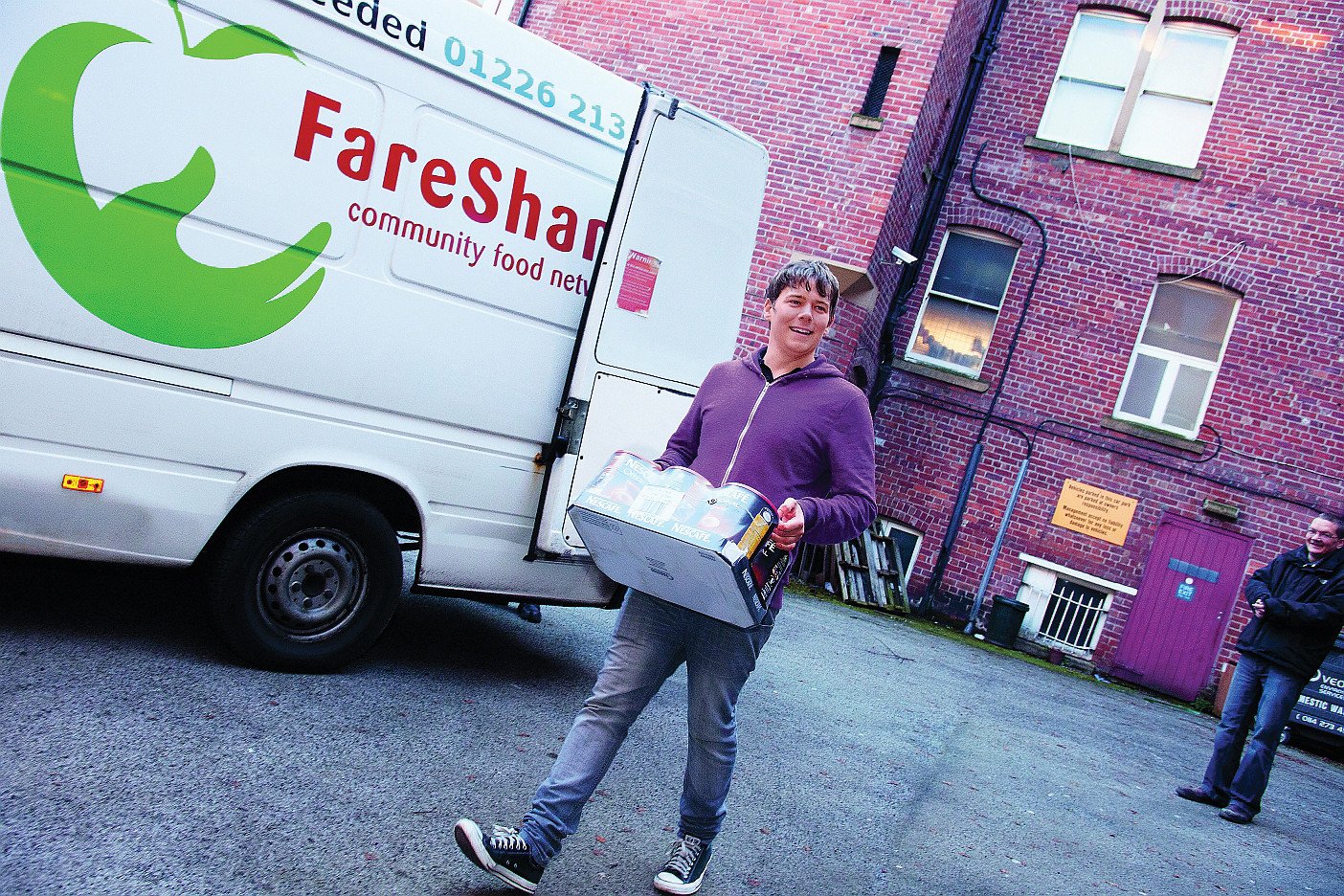
The Brighton & Hove Food Partnership (BHFP) is our flagship institution in the food waste campaign, with an array of initiatives, projects and partners, such as the Surplus Food Network, which collects spare food from retailers and businesses and redistributes to charities and other organisations:
- FareShare Sussex
- Real Junk Food Project Brighton
- Sussex Homeless Support
- Sussex Gleaning Network
- UKHarvest
In partnership with Our City Our World, the BHFP also instigated the food waste toolkit with associated education in schools. It also works with the Sussex Surplus campaign to process food waste and runs the Food Use Places project to reduce food waste in neighbourhoods.
BHFP was of course the force behind Brighton’s last Food Strategy (2018-2023) and it is now gearing up to work with the city council to do a ‘refresh’, with higher ambitions and renewed purpose. This will build on the council’s existing Good Food Standards which include a commitment to a more sustainable food system, and the Good Food Procurement group, which brings together catering organisations to improve practice around serving good food and reducing waste.
Several sources suggest that the area likely to yield the most immediate results is actually the restaurant trade and we need to find more effective ways of getting these businesses involved. The Brighton Restaurant Association has 2,000 participants, so these businesses have a lot of economic muscle. They are more than aware of the problem, but we need to get to a place where we encourage them to throw away even less, improve recycling, and increase composting.
What else can we do?
Brighton has a lot to be proud of, but we can also learn from other progressive cities.
- Amsterdam organises community-based composting of food waste with 200 ‘worm hotels’ set up in parks and public spaces around the city.
- Hong Kong runs a Green Lunch programme in schools that promotes better ‘onsite portioning’.
- Bogor in Indonesia, and this is one for all you GB News fans, is using black soldier flies to break down organic waste, the subsequent larvae having a high protein and oil content that you can eat while you’re cowering in your 15-minute neighbourhood.
It may be that there is nothing much that the Brighton activists have not thought of already. The ingredients that are missing are funding and heavyweight support. The two are of course interlinked and both are in short supply.
A key power in the city is the big employers and they must be prevailed upon to set a better example: American Express, Legal and General, Brighton College, the NHS, and our two prestigious universities.
We can surely assume all the serious candidates for the upcoming election can get behind a renewed drive on food waste and they need to be pushed to do so.
An active Brighton and Hove City Council is vital. According to the Committee on Climate Change, councils typically have powers or influence over 30% of emissions in their local areas. What is our council doing to use these powers? We need leadership. We need a plan. Can we set targets and milestones? Can we create momentum and measure progress as we go forward? Can we be the progressive city we like to think we are?
In the first article in this series, I started with the urgency to get to net zero by 2050. That’s 25 years away and we’re a month further on already. We need to cut emissions now and the clock is ticking.
Editor’s note: When James started working on this piece the issue of inaccurate sell-by dates for food was much in the news. In the proper spirit of scientific enquiry, James accordingly ate half a packet of smoked salmon that was 10 days past its sell by date. We are pleased to report that, two days later, he appears to have suffered no adverse effects. Draw your own conclusions!





