


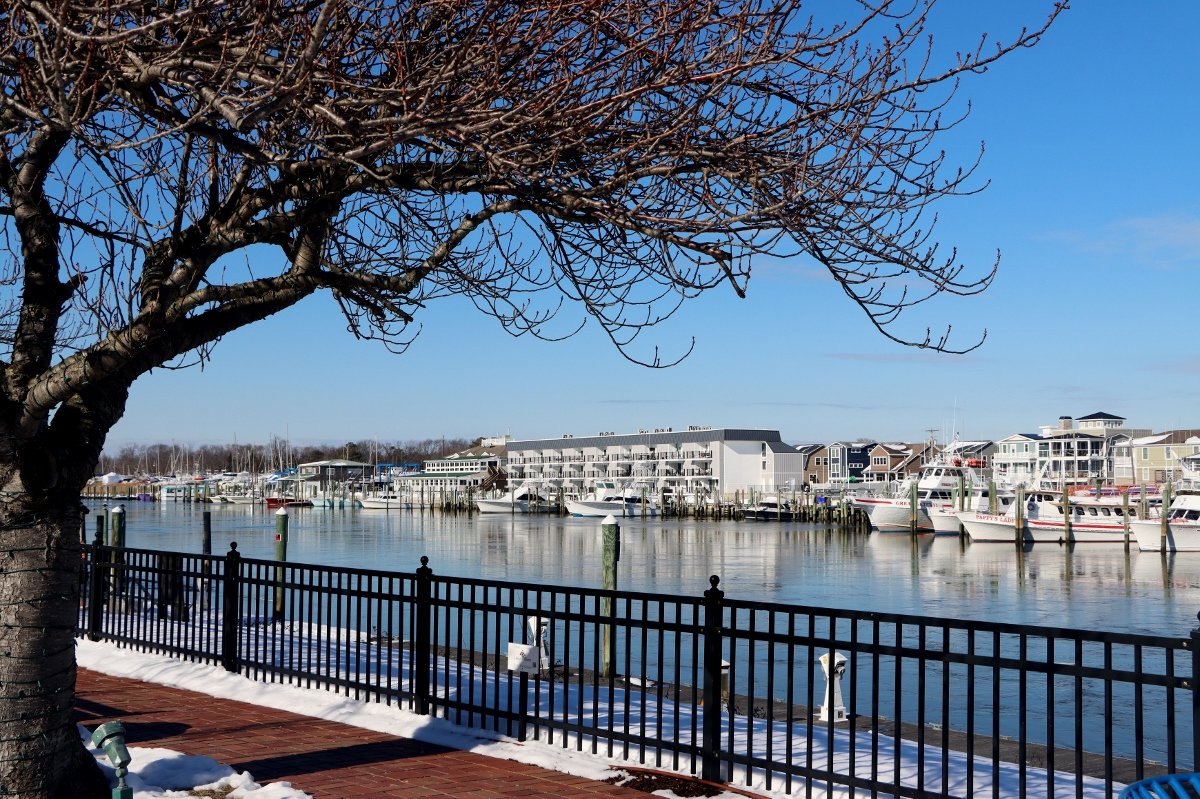
March is a time of great anticipation here in Lewes, in Sussex County, Delaware (pop. 3,303).
Like any seasonal beach community, the City of Lewes, its residents and merchants, are making plans and polishing up for the summer ahead.
Lewes Tulip Festival
The first vestiges of warmer weather begin with the Lewes Tulip Festival, an annual celebration that sees 31,000 tulips provide a splash of color all over town. With the tulips come the tourists.
Those flowers are also a direct link to your beautiful town. They are planted and maintained by an all-volunteer group called Lewes in Bloom. Its founder, Warren Golde, visited Lewes, England in 2002. He was so inspired by your gardens, he brought back a vision that changed our Lewes forever.
Lewes in Bloom started with seven people. Today, it boasts 450 volunteers and tends to 21 gardens. The group has won several national and international competitions for the work it does. The tulips are a great way to welcome the world to the first town in the first state.

About Lewes, Delaware
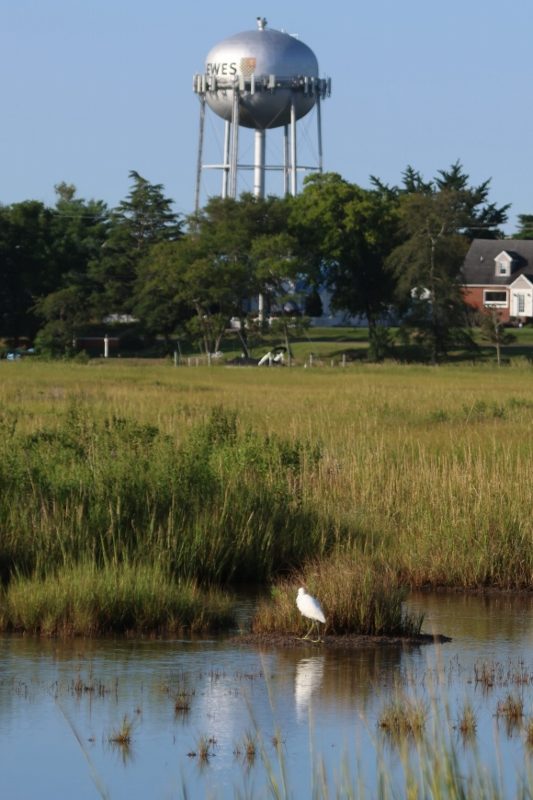
As mentioned, Lewes is a beach community. Our beach is on the Delaware Bay, technically not the Atlantic Ocean. We cannot see Lewes, England from here, but we can see New Jersey, 17 miles away. It’s a 90-minute ride on the Cape May-Lewes Ferry.
Our city has as many lighthouses as traffic lights – two. We also have a retired lightship named the Overfalls.
Roundabouts? We have them too. Five new ones are planned for one of the main roads into town. The city devotes a lot of effort to make the community walkable and bike-able. Connectivity is a key work in city planning.
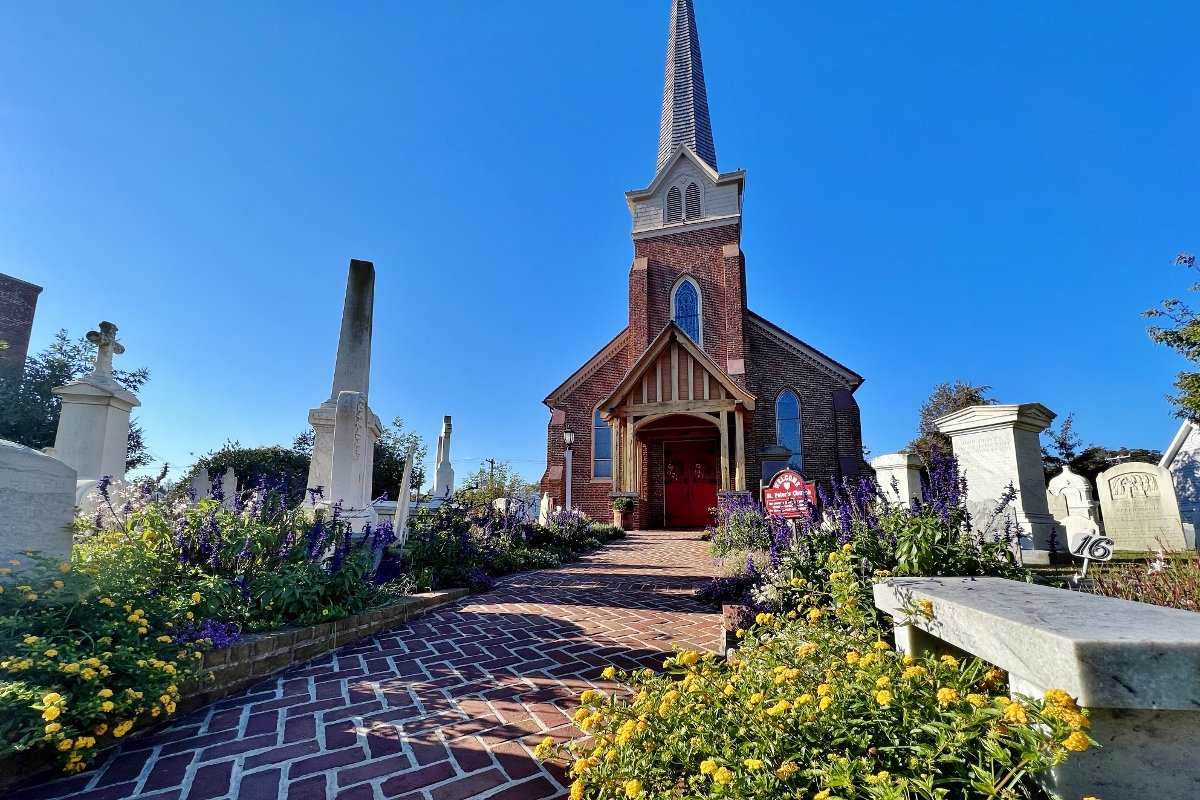
Lewes is home to the oldest house in Delaware, the Ryves Holt House on Second Street that dates to 1680.
The city is steeped in maritime history, from canoes carved by Native Americans to a robust shipbuilding community, dating back to the 17th century. Kayaks, pleasure boats and an occasional yacht now ply the waters of the Rehoboth-Lewes Canal.
British links
During the war of 1812, British naval vessels set up a blockade around the city. They bombarded the city on April 6 and 7, 1813, inflicting damage on a number of homes.
The one lasting casualty is located on Front Street, just across from 1812 Park. It is a building known as the Cannonball House. It still has a cannonball lodged in its foundation from the bombardment (or so the legend says).
We do not hold that against you, by the way, because, like the tulips, the cannonball brings business to town.
We can also thank Lewes, England for Thomas Paine, the American Revolutionary who, some say, helped craft the Declaration of Independence.
Our coat of arms is the same as yours, proudly displayed at city hall and on banners around the city.

“Busy days, quiet nights”
Both of our communities are facing threats from overcrowding and climate change.
We are in the middle of a building boom. Wide-open lands are becoming housing developments, further straining crowded roads and city resources. When people get into town in the Summer, good luck finding a place.
Climate change, namely rising sea levels, have put the city on high alert. For the first time, the city is creating a resiliency fund to pay for preventative measures and to help recover from storms and floods.
Our city slogan is “Busy days, quiet nights”. It is representative of a community that takes pride in its past, embraces the present and works hard to protect its future.
My goal is to provide a casual look at what’s happening here in Lewes. I hope you learn about life here and hopefully you’ll want to visit. I hope to learn more about your city as well.

CLICK HERE TO DONATE TO OUR CROWDFUNDER
HELP US BECOME STRONGER SO THAT WE CAN CONTINUE TO DELIVER POWERFUL CITIZEN JOURNALISM!







