


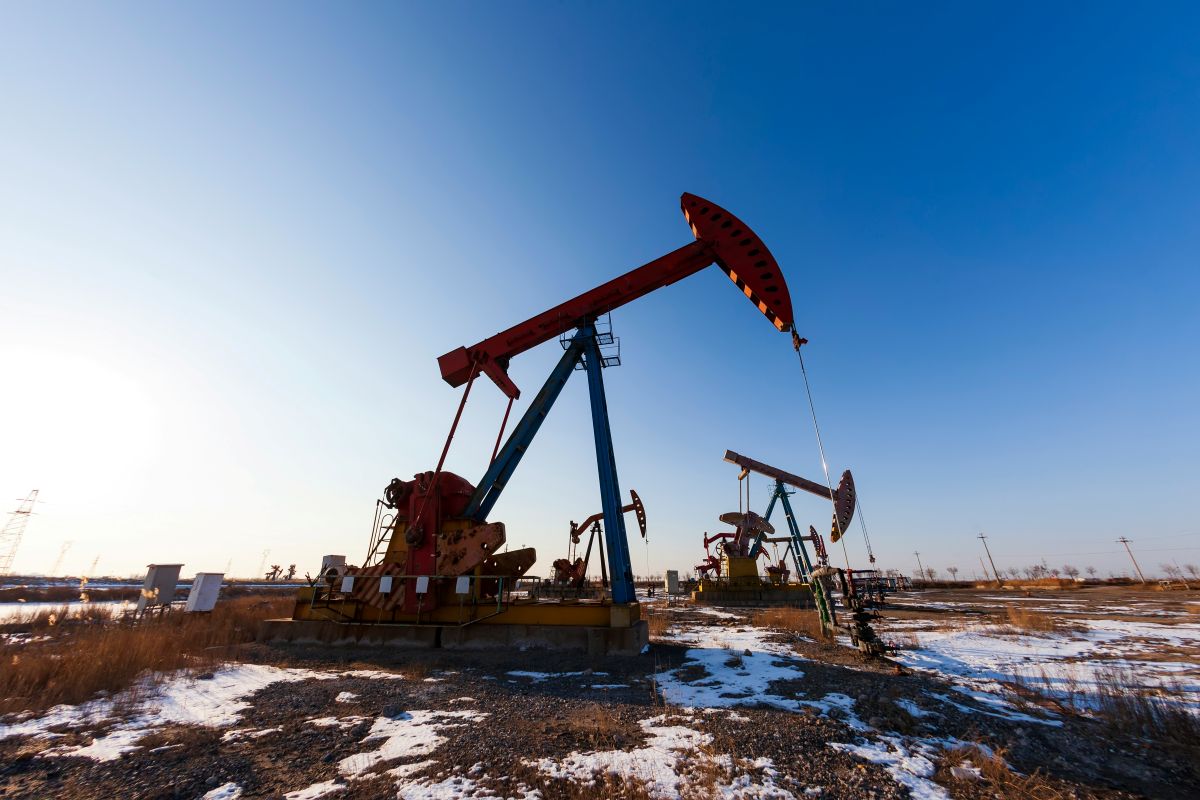
There is something deeply troubling about the way shale gas has returned to the political stage. Once again, we are being told that the “treasure” beneath our feet is too valuable to leave untouched, that it would be criminal not to exploit it. Richard Tice of Reform UK has gone so far as to declare that failing to extract shale gas is “grossly financially negligent to a criminal degree.”
But here is the truth: what would be criminal is to tear open the earth for short-term profit, to fracture ancient rocks with toxic chemicals, and to gamble with the safety of our water, our air, and our future. What is truly negligent is to ignore the lessons of the past decade, when politicians repeatedly paused, restricted, and banned fracking in Britain precisely because of the damage it causes.
The soil beneath our feet is not just an untapped “resource.” It is part of a living eco-system, the foundation of life itself. To treat it merely as a vault of hidden energy, waiting to be raided, is to misunderstand not only the environment but our place within it. Nature is not a commodity. It is our home, our belonging, and a mirror of who we are.
A history written in warnings
Let us not forget why successive governments – Conservative, Labour, and coalition alike – have been unable to make fracking a reality in this country. It was not for lack of trying. In 2011, the first UK fracking operations triggered earthquakes near Blackpool, shaking public confidence and literally shaking the ground. The tremors were not a one-off accident but a direct consequence of the technology itself: pumping high-pressure water, sand and chemicals deep underground to fracture rock and release gas is inherently unstable.
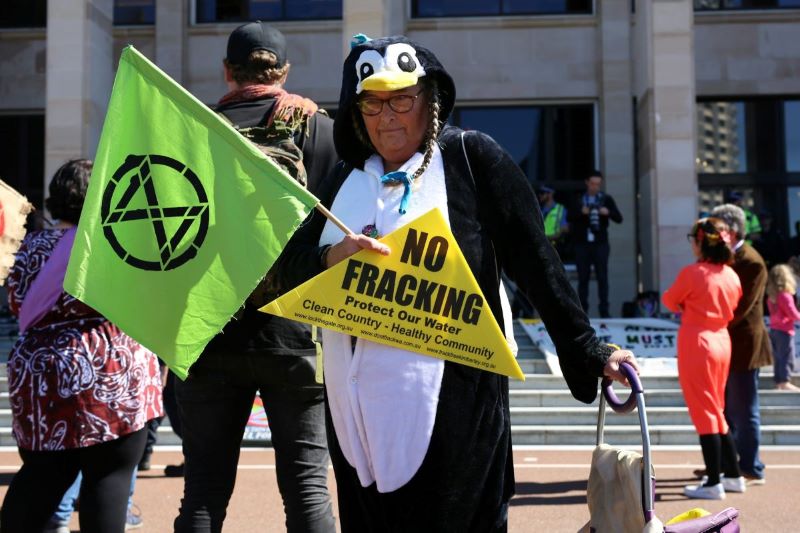
Time and again, communities rose up in opposition. From Lancashire to Yorkshire, local residents, environmentalists, farmers, and health campaigners stood together to say: not here, not now, not ever. The resistance was not based on emotion alone but on science, experience, and the lived knowledge of what it means to protect the places we call home.
When Boris Johnson’s government briefly lifted the moratorium in 2022 amid an energy crisis, the backlash was swift and overwhelming. Even Tory MPs in fracking-targeted constituencies revolted, and the ban was reinstated within weeks. The message was loud and clear: fracking has no social licence in Britain. Politicians who try to force it through will face fierce opposition, because people know in their bones that the risks far outweigh the rewards.
The true cost of fracking
Supporters of fracking like to speak in the language of wealth and treasure. They frame shale gas as a hidden fortune, a key to energy independence, a “prize” we would be foolish to ignore. But this is a dangerous illusion.
First, the environmental cost is staggering. Fracking consumes vast amounts of water, contaminates aquifers, pollutes the air with methane leaks, and scars landscapes with industrial infrastructure. To push ahead would be to deepen the climate crisis, at the very moment when the world needs urgent action to leave fossil fuels behind.
Second, the supposed financial gain is little more than smoke and mirrors. Britain’s geology is not like America’s, where fracking is not banned. Professor John Underhill from Heriot-Watt University said the UK’s potential shale deposits were likely to have been disrupted by shifts in the earth 55 million years ago. The professor said his research on the influence of tectonic plates in the UK suggested that the shale formations have been lifted, warped and cooled by tectonic action, making them smaller, more fractured and generally populated too near to ground, making shale gas production much less likely.
The consequence is that extracting gas here will be more expensive, less productive, and far more disruptive to local communities. Experts from the British Geological Survey have repeatedly warned that the reserves are uncertain and the economic case weak. To chase Richard Tice’s fantasy of “hundreds of billions” is to mislead the public into believing in riches that may never materialise.
Third, there is the cost to democracy and trust. Every time fracking is resurrected, it is pitched as a solution to the cost-of-living crisis or a step towards sovereignty. Yet what it really offers is division: between local communities and central government, between profit-seekers and those who must live with the fallout. To bulldoze ahead against the wishes of the people would be a betrayal, not a solution.
A criminal betrayal
So let us reclaim that word criminal. Because if there is criminality here, it is not in leaving shale gas underground. It is in the reckless determination to blast it free at any cost.
It is criminal to endanger groundwater supplies for generations yet unborn.
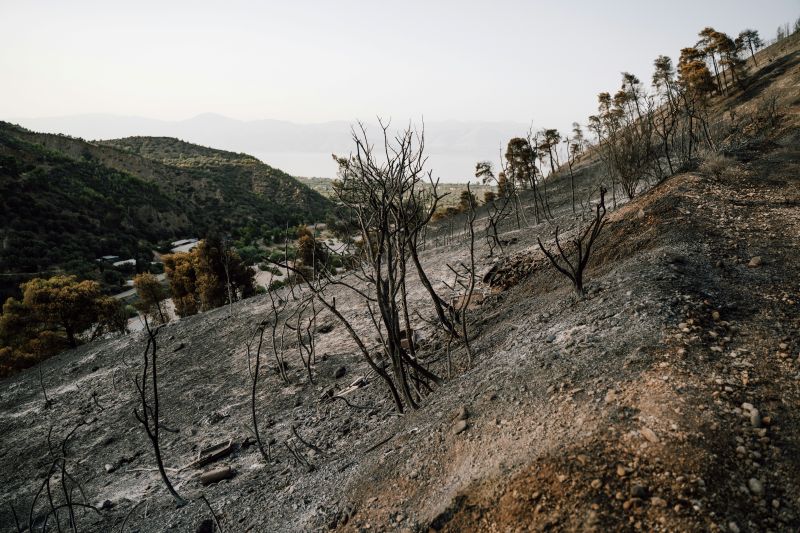
It is criminal to pour yet more carbon into the atmosphere when the planet is already burning.
It is criminal to ignore the wisdom of local communities, to ride roughshod over their rights, and to gamble with their health and safety.
It is criminal to pretend that nature is nothing but a warehouse of commodities, rather than a living home of which we are a part.
To call the earth “treasure” while planning to wound it is not stewardship but plunder. We must ask ourselves: what kind of society declares itself rich by destroying the very fabric of life? What kind of leaders frame restraint and care as negligence, while branding destruction as boldness?
Another way is possible
Britain does not need fracking. What we need is courage, imagination and honesty. We already have the tools to create a future of energy security that does not rely on ripping apart our land. Offshore wind, solar power, tidal energy, and investment in storage and efficiency can deliver cheaper, cleaner and safer energy than shale gas ever could.
Transitioning to renewables is not only a technical project but a moral one. It asks us to see energy not as a hunt for buried treasure, but as a partnership with the forces of nature – the sun, the wind, the tides. These are gifts that replenish, not wounds that deepen.
By investing in them, we protect the stability of the climate, safeguard the health of our communities, and honour the landscapes that shape who we are. We show that we have learned from the mistakes of the past, that we are capable of humility as well as ambition.
Belonging, not exploitation
At its heart, this is about more than energy policy. It is about how we see ourselves in relation to the world around us. Do we see nature as a stockpile of resources to be seized, drained and discarded? Or do we see it as a sacred home, a living web of which we are an inseparable part?
Fracking represents the old story of exploitation, the tired myth that wealth is extracted rather than cultivated. But we are being called to a different story now – one of belonging, of stewardship, of recognising that the earth is not just where we live, but what we are.
When politicians or parties tell us that leaving shale gas underground is “criminal,” we must answer clearly: no, the crime would be to destroy what can never be replaced. The crime would be to fracture the very ground beneath our feet and to call it progress.
Nature is not a vault of treasure. It is our home. To forget that is to forget ourselves.

CLICK HERE TO DONATE TO OUR CROWDFUNDER
HELP US BECOME STRONGER SO THAT WE CAN CONTINUE TO DELIVER POWERFUL CITIZEN JOURNALISM!






