


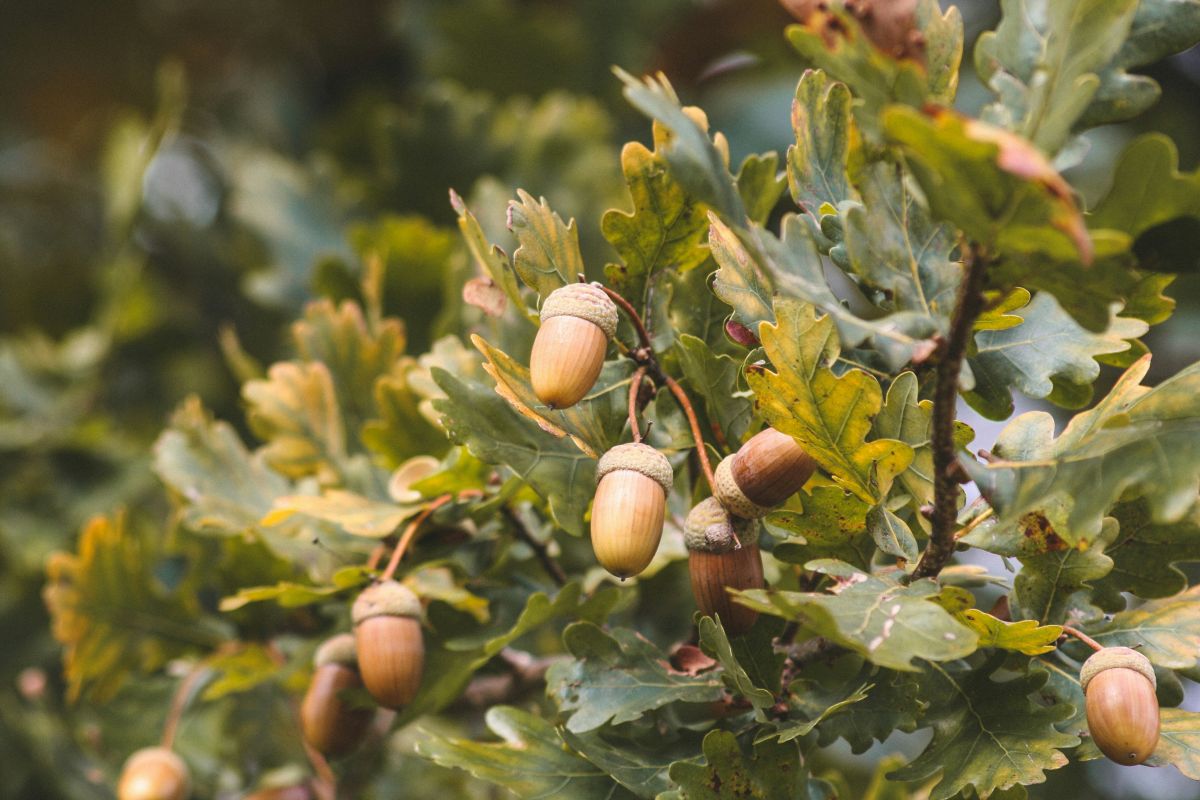
There is something quietly hopeful about watching a person press an acorn into the earth.
Such a small act hardly seems important at the time. A hand kneels briefly against the soil, a shallow hollow is covered over, and life simply continues around it. Cars move along distant roads. Rain arrives and disappears again. Seasons pass almost unnoticed. Most people would walk by without ever realising that anything meaningful had happened there at all.
Yet the person planting the acorn understands something modern life increasingly struggles to remember: the most worthwhile things often grow slowly.
An oak demands patience from everyone involved. It asks endurance from the soil, tolerance from the wind and decades from the rain. It grows slowly enough to humble modern instincts. We now live in a culture shaped by immediacy, where speed is treated almost as a virtue in itself. We expect visible progress, rapid results and constant evidence that our efforts are worthwhile. The oak remains entirely indifferent to such expectations.
For years it appears to do very little. A thin sapling rises carefully from the ground, fragile enough to bend beneath rough weather and easy to overlook amongst grass and hedgerow. At first glance it hardly resembles the great trees that dominate ancient parks or stand watch over old British fields. Yet beneath the surface the real work has already begun. Roots deepen quietly long before branches spread wide enough to command attention.
That is the nature of enduring things. Their strength is often established invisibly long before anyone notices them.
The person planting the acorn will almost certainly never experience the tree in its full grandeur. They may never sit beneath the vast canopy it eventually forms, nor witness the immense trunk weathered by a century of storms. And yet they plant it anyway. That may be one of the clearest signs of genuine stewardship – the willingness to begin something whose greatest rewards will belong entirely to strangers.
There was once a deeper understanding of this woven naturally into ordinary life. People accepted that some things were worth doing despite never witnessing their completion. Cathedrals were constructed across generations. Men who laid the first stones knew they would never live to see the finished spires rising above the surrounding towns. Orchards were planted for grandchildren yet unborn. Hedgerows were laid by hands that understood others would one day walk beside them long after they themselves had disappeared into history.
Much of the British landscape still cherished today exists because previous generations possessed this longer view of time. Ancient woodlands, stone walls, village greens and winding footpaths were not created by people obsessed with immediate reward. They were shaped gradually through patience, restraint and a quiet sense of responsibility towards the future.
That mindset now feels increasingly fragile.
Modern culture rarely encourages people to think beyond the immediate horizon. Value is measured through quick return, rapid growth and constant visibility. Even our language reflects the shift. We speak endlessly about efficiency, output and productivity, as though the purpose of life is perpetual acceleration. Slowness is often treated not as wisdom but as failure. Patience has become difficult because so much of modern life trains people to expect instant confirmation that their efforts matter.
The oak offers no such reassurance.
It does not hurry for our convenience. It grows at the pace life itself requires rather than the pace human impatience demands. Season after season it simply continues, unmoved by urgency, untouched by fashion and unconcerned with applause. There is something deeply grounding in that refusal to rush.
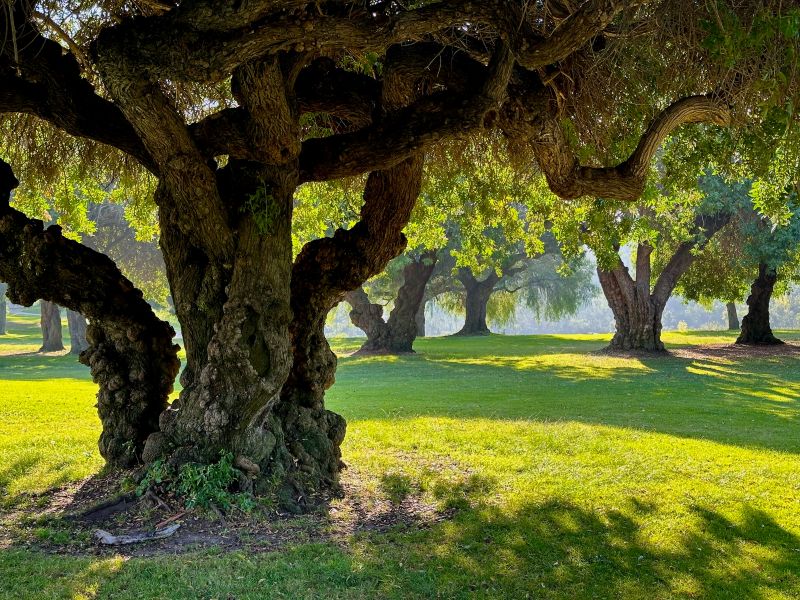
Perhaps this is why ancient oaks affect people so profoundly. Standing beneath one creates a rare sensation in modern Britain: the feeling of entering a timescale larger than ourselves. Such trees have already outlived governments, arguments, ambitions, fashions and entire human lifetimes. Long after present anxieties disappear, they may still remain rooted in the same earth, continuing quietly as they always have.
Their presence exposes how temporary much of our noise truly is.
Yet the greatness of an oak was never achieved dramatically. It arrived through accumulation. One season at a time. One winter endured after another. One year of unseen growth layered quietly upon the last.
Human lives are not so different.
The people who shape the world most profoundly are often those who worked quietly and without recognition. Teachers who never witnessed the futures they helped create. Parents who sacrificed comforts while their children barely noticed. Volunteers restoring footpaths, protecting woodland or preserving village spaces for people they would never meet. Gardeners improving exhausted soil they themselves may never see fully flourish.
These acts rarely attract much attention because their rewards arrive slowly, sometimes invisibly. They resist the modern demand for immediate evidence of success. Yet civilisation itself depends upon such thinking. A society survives not merely through consumption, but through inheritance. Somebody repairs walls they did not build. Somebody preserves beauty they did not create. Somebody plants an acorn knowing the shade will belong entirely to another generation.
We tend to recognise the value of these acts only once they begin disappearing.
Across Britain ancient woodlands continue shrinking, old trees are cleared for convenience and landscapes shaped patiently over centuries give way to shorter-term demands. New saplings are planted, certainly, but often without the deeper philosophy that once accompanied such acts. To plant an acorn is not merely environmental. It is philosophical. It is a quiet declaration that the future matters even when we ourselves may never personally benefit from it.
Perhaps that is why the oak still holds such power within the British imagination. It represents continuity in an age increasingly defined by interruption, permanence within a culture built around disposability and quiet endurance within a society exhausted by speed.
The oak does not spend its life attempting to become important. It simply becomes useful. It shelters birds, steadies the soil, cools the earth beneath it and outlives the anxieties of those who pass below its branches.
There is wisdom in that.
Not every meaningful life arrives loudly. Some lives are measured instead by what they leave standing behind them. Somewhere tonight an acorn lies hidden beneath dark British soil because somebody chose to plant it for a future they themselves may never see. Decades from now, children yet unborn may walk beneath the shade of that oak without ever knowing the name of the person who first pressed it gently into the earth.
And perhaps that is exactly as it should be.

CLICK HERE TO DONATE TO OUR CROWDFUNDER
HELP US BECOME STRONGER SO THAT WE CAN CONTINUE TO DELIVER POWERFUL CITIZEN JOURNALISM!





