


It has been said that art with an agenda is not good art, that art should exist “for art’s sake”, unpolluted by politics or propaganda, devoted to pure self-expression. Yet throughout history, art has almost always reflected power, belief and ideology. Since the Lascaux Cave was occupied, art has reflected the religious or political beliefs of the creators, glorifying gods, rulers and systems that often demanded obedience from the wider population.
Today, many major exhibitions give us the opportunity to appreciate the masterworks of the past, now valued in millions. Most of these masterpieces, however, were created not for sale or public enjoyment but as symbols of the status and power of Popes and monarchs. The artists would be astonished that their work now regularly attracts seven-figure numbers in the sale room.
While the commissioning or ownership of fine art has been for centuries largely the prerogative of the privileged and educated wealthy, there have always been artists driven not by profit or patronage but by the need to express themselves and depict the world around them. In doing so they suggested – however delicately – a politics of the people.
Creative geniuses like Van Gogh and Daumier depicted humbler subjects with breathtaking skills but little reward. In this country, groups like the Pitmen Painters, the East London Group and individuals like LS Lowry and Eric Tucker created for the love of it, drawing their own communities, telling the stories of lives lived with less. These may not have been overtly political but exposed realities of life for public consumption.
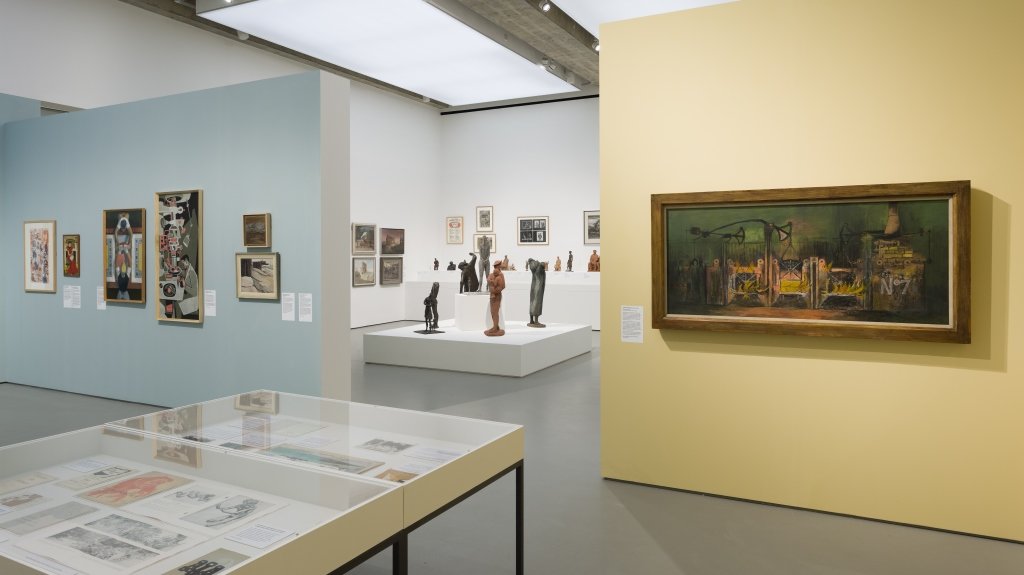
Comrades in Art: new exhibition at the Towner Gallery
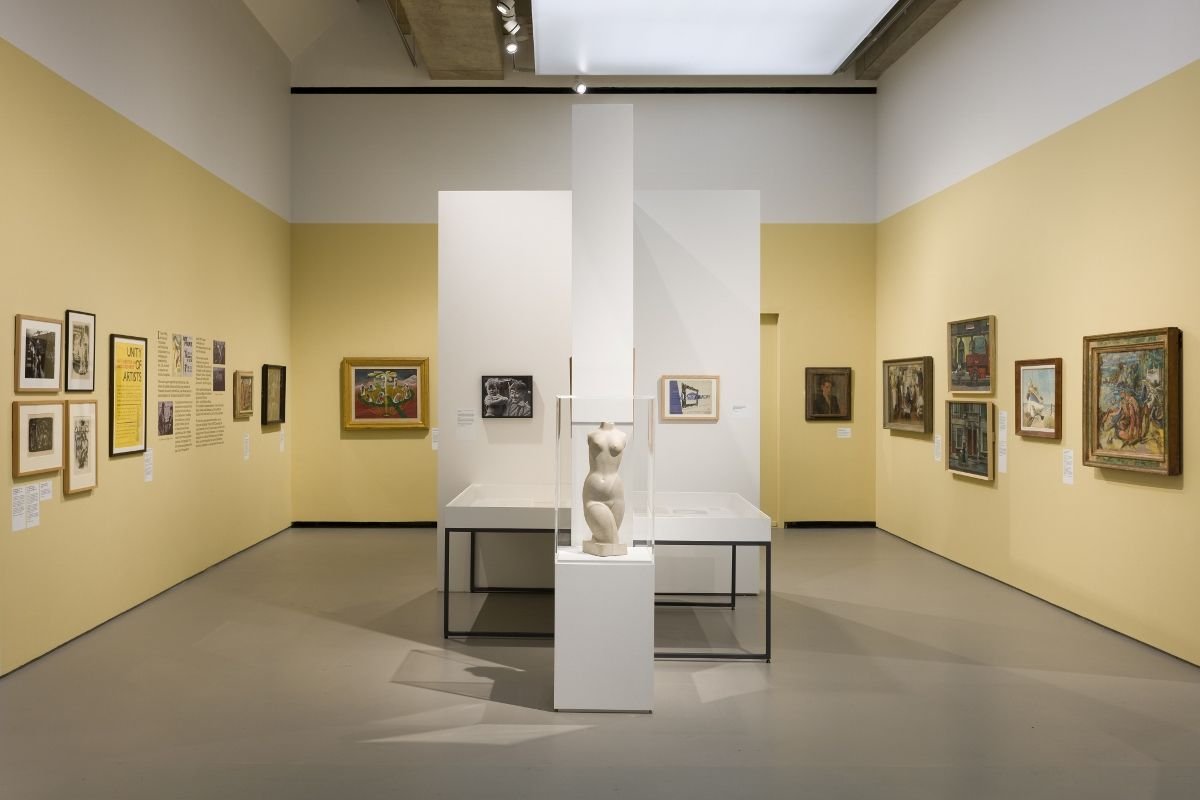
Until October this year, Eastbourne’s Towner Gallery is staging an important exhibition of works of a group of British artists of the mid-20th century under the title Comrades in Art: Artists Against Fascism. Almost 1000 artists, including some of the leading figures of the time, formed the Artists International Association to oppose fascism and the threat of war which could be seen approaching from Italy, Germany and Spain. The group reached out beyond traditional galleries by exhibiting in unlikely venues like bomb sites, factories and railway stations, selling works at affordable prices, to reach the widest public.
This comprehensive exhibition of over 300 works introduces a generation of artists largely forgotten but whose skills and passion resonate with a public yet again facing rising intolerance, discrimination and threats.
These include some who had fled Germany in fear of their lives, such as Peter Laszlo Peri, (whose works alone merit a visit). Others whose works shine include: James Holland, James Boswell, Cliff Rowe, Pearl Binder, Nan Youngman and the tragically short-lived Felicia Browne. It’s hard not to be moved by the courage that it took to express opposition to fascism through the medium of their work.
We can judge both the merits and efficacy of politicisation of art at that time and consider its relevance today. Should we not applaud the application of their talents to oppose something dreadful and think whether and how this might be emulated?
Political focus is normally concentrated on the macro-economy and wealth, often leaving citizens feeling unseen. Art can capture and communicate the challenges daily facing millions. The tens of thousands demonstrating against racism and war in London on 28 March walked not only beneath the arrogant gaze of defenders of empire but also within touching distance of moving memorials to thousands of unnamed victims and unsung heroes of wars past.
A timely exhibition in the face of rising intolerance
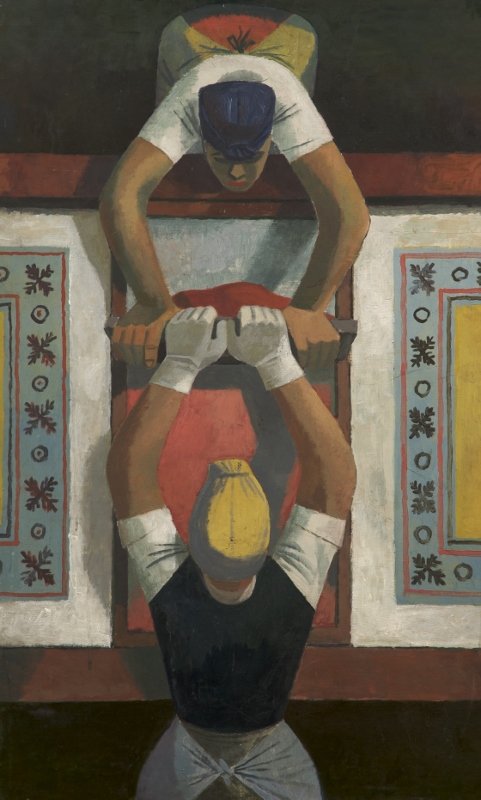
This fresh and relevant exhibition depicts human responses to threat and suffering in a variety of media, as a more tranquil and approachable opportunity for contemplation.
At a time when diversity and artistic freedom are increasingly under attack – particularly in the United States, but also closer to home – this exhibition feels especially timely. In the face of rising intolerance and division across the UK, the content and theme of this Towner exhibition seem highly appropriate. It reminds us not only of the enduring power of figurative drawing but also of galleries as democratic public spaces…
Thank goodness for places where we the people can see not only the masterpieces of the past but can also be influenced by the work of diverse creative and progressive minds, less well-known but equally valid.
We can be enriched in spirit and better informed when politics and art are united. We will know we are in trouble when such opportunities are censored.
Comrades in Art: Artists Against Fascism is at the Towner Gallery, Eastbourne until October 18 2026.

CLICK HERE TO DONATE TO OUR CROWDFUNDER
HELP US BECOME STRONGER SO THAT WE CAN CONTINUE TO DELIVER POWERFUL CITIZEN JOURNALISM!







