


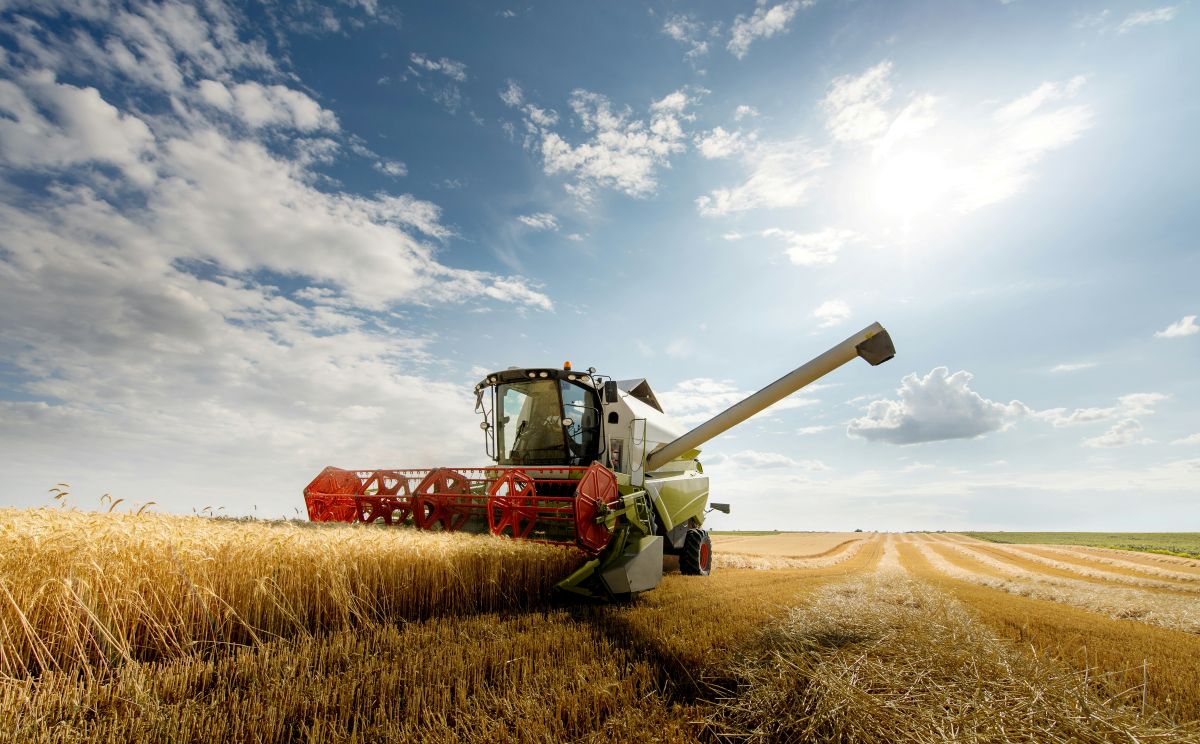
There is a quiet miracle that unfolds across Britain every year, yet most of us hardly notice it.
On warm August evenings, when the sun hangs low and bathes the countryside in a golden light, the combines begin their slow journey across the fields. Their wide headers sweep through the wheat and barley, leaving neat rows of straw behind them while clouds of dust drift lazily into the evening air. Swallows swoop and twist through the haze, taking advantage of the insects disturbed by the harvest, and tractors move patiently alongside, carrying away the grain that has taken months to grow.
If you live in the countryside, you will have seen it countless times. Perhaps you have found yourself waiting behind a combine on a narrow lane, watching it edge carefully towards the next field while you glance impatiently at the clock. It is an inconvenience measured in minutes, yet what you are witnessing is one of the oldest traditions in these islands. The harvest has begun.
For thousands of years, the success of the harvest determined whether people would eat through the winter. There were no supermarket shelves to fill the gaps and no imported food arriving from distant countries. Every loaf of bread, every bowl of porridge and every barrel of ale depended upon those golden fields reaching maturity beneath the summer sun. When the first grain was safely gathered, there was relief as much as celebration, because another year of uncertainty had finally begun to give way to hope.
John Barleycorn
The old stories captured this beautifully through the figure of John Barleycorn. He was not simply a character in an old folk song but the spirit of the grain itself. He was cut down, beaten, ground beneath the millstone and transformed into bread and ale, only to return again with the following spring. It is a story that reminds us something can appear to die and yet continue in another form. Nature has always understood what we so often forget: life moves in cycles, not straight lines.
Although few people speak of John Barleycorn today, his story still lives quietly around us every summer. The combines still cut the fields. The grain still fills the trailers. Bakers still turn flour into bread. We have not lost the harvest itself; we have simply lost the habit of seeing it.
Ask someone when Harvest Festival takes place and they will probably remember taking tins of food into school, singing harvest hymns or seeing churches decorated with apples, pumpkins and baskets overflowing with vegetables. Those memories are part of a tradition that many of us still cherish, but they tell only the latter part of the story. Harvest is not a single celebration held on one particular weekend. It is a season that unfolds across the landscape.
The first harvest belongs to the grain. Wheat, barley and oats are gathered from the fields during August, becoming the flour that finds its way into our kitchens. Without thinking about it, we encounter that harvest every morning. It is the toast we butter before work, the sandwich in our lunchbox, the biscuits shared over a cup of tea and the porridge that warms us on a cold winter’s morning. Every one of them begins in a field.
As summer slowly leans towards autumn, the harvest changes its character. The hedgerows become heavy with blackberries, elderberries and rose hips. Orchards bow beneath the weight of apples and pears. Gardens produce runner beans, marrows, onions, carrots and squashes in generous abundance, while pumpkins swell quietly beneath broad green leaves. This is the second harvest, the time when the land offers not only the staples that sustain us but the richness and colour that make the season feel complete.
Harvest Moon
It is around this time, beneath the Harvest Moon, the full moon nearest to the autumn equinox, that Harvest Festival has traditionally been celebrated. By then, most of the crops have been gathered and safely stored. The busiest days are drawing to a close, and there is time to pause, look back over the season and give thanks for what the land has provided. It is less about celebrating a single crop than recognising the abundance of the whole year.
By the time Samhain arrives at the end of October, another chapter has closed. The last of the harvest has been gathered, the fields stand bare, and the earth begins to prepare itself for winter. The wheel has turned once again.
Perhaps the greatest change over the centuries has not been in the land but in ourselves. We have become so disconnected from the source of our food that we rarely stop to consider where it begins. Bread comes wrapped in plastic. Apples sit polished beneath supermarket lights. Flour arrives neatly packaged on a shelf. We know the price of these things, yet many of us have forgotten their story.
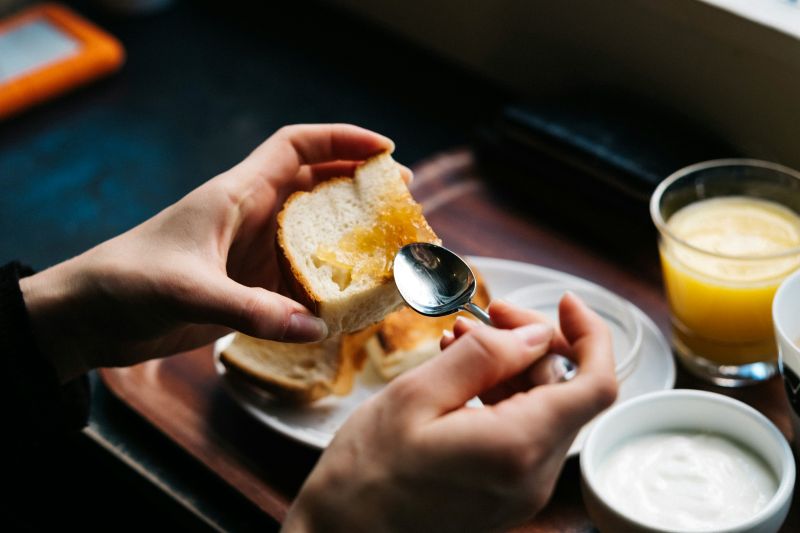
Tomorrow morning, when you make your breakfast, pause for a moment before you butter your toast. Imagine that slice of bread months earlier as a tiny grain of wheat pushing through cool spring soil. Picture it drinking the rain, stretching towards the summer sun and swaying gently in the warm August breeze before the combine finally gathered it home.
Consider the countless earthworms that enriched the soil, the fungi that carried nutrients to its roots, the insects that pollinated neighbouring crops, the rainfall that nourished it and the farmer who watched over it from seed to harvest. All of them are present in that single slice of bread, even if we can no longer see them.
The same is true of the blackberry picked from a country hedge, the apple taken from an old orchard or the pumpkin waiting outside a farmhouse gate in October. They are not simply products to be bought and consumed. They are the final chapters in a story written by the seasons themselves.
As a Druid, I often speak about reconnecting with nature, but I have come to believe that reconnection begins with something remarkably simple. It begins with noticing. Noticing the combines working into the evening light. Noticing the sweet scent of fresh straw carried on the breeze. Noticing the hedgerows that seem almost overnight to fill with berries, and the orchards glowing with fruit. These are not simply signs that summer is ending. They are reminders that we are still part of the same living landscape that sustained our ancestors.
Modern life encourages us to believe we have outgrown our dependence upon nature, yet every meal quietly tells us otherwise. Every loaf of bread, every bowl of porridge, every apple and every blackberry carries within it the memory of healthy soil, clean water, sunlight and the patient rhythm of the seasons. We are no less connected to the land than those who lived a thousand years ago. The difference is that they saw the connection every day, while we often overlook it.
Perhaps that is why the harvest still matters. It reminds us that our lives are woven into something far older than ourselves. It teaches gratitude without demanding ceremony and humility without asking for words. Above all, it reminds us that the earth continues to provide, just as it always has, if only we take the time to notice.
So the next time you find yourself waiting behind a combine on a country lane, resist the temptation to become frustrated. Roll down the window if you can, breathe in the scent of warm straw and watch the golden grain disappearing into the machine. You are not simply being delayed on your journey. You are witnessing one of Britain’s oldest conversations between people and the land, a conversation that continues every time you break bread at your table.
The harvest has never disappeared.
It has been quietly waiting for us to notice it again.

CLICK HERE TO DONATE TO OUR CROWDFUNDER
HELP US BECOME STRONGER SO THAT WE CAN CONTINUE TO DELIVER POWERFUL CITIZEN JOURNALISM!





