


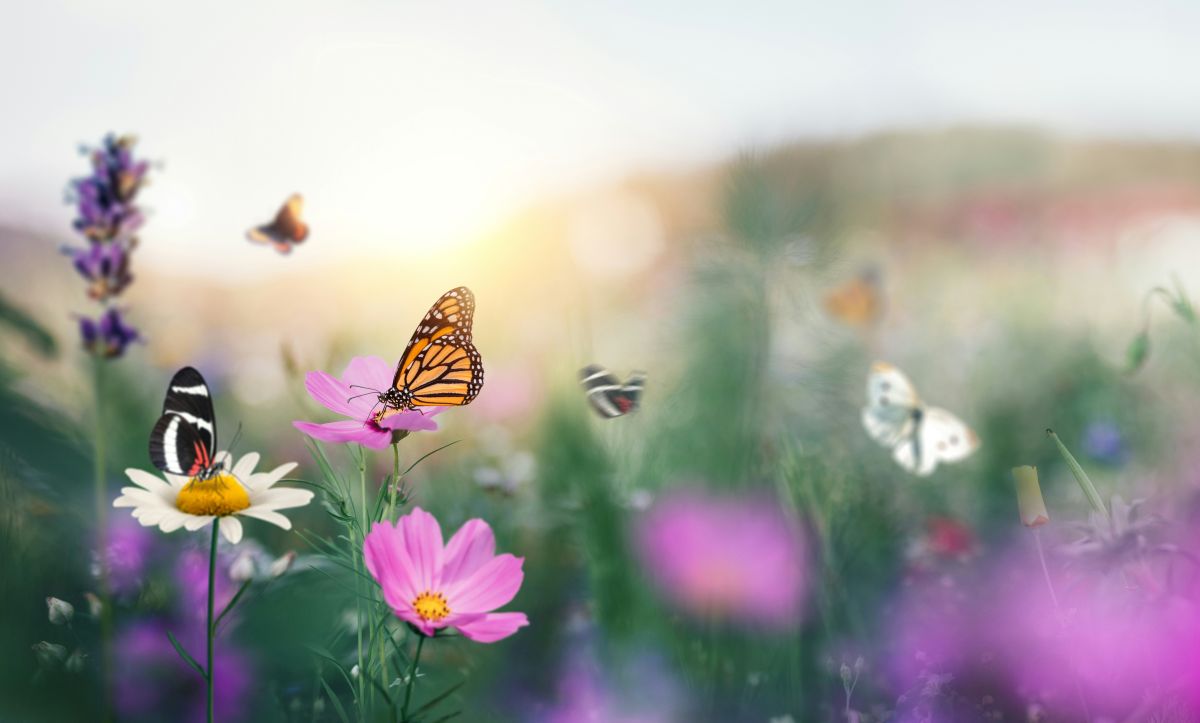
We tend to talk about Beltane as if it’s a fixed point. The first of May. A date you can circle and come back to. It makes sense, in a way. Calendars like certainty. People do too.
But the land is less precise about these things. And if you spend enough time watching it – really watching, year after year – you start to notice that the shifts don’t happen all at once.
Beltane doesn’t arrive on a morning. It gathers.
You begin to sense it sometime in April. Not in any dramatic fashion, but in small changes that quietly accumulate.
The plants usually get there first. The cuckoo flower appears, easy to overlook unless you happen to catch it at the right moment. Pale, unassuming. Then the celandines begin to catch the light, their yellow a little brighter than the rest of the field. The hedgerows follow – hawthorn still mostly green, but no longer entirely still.
And then, at some point, you hear it.
The cuckoo
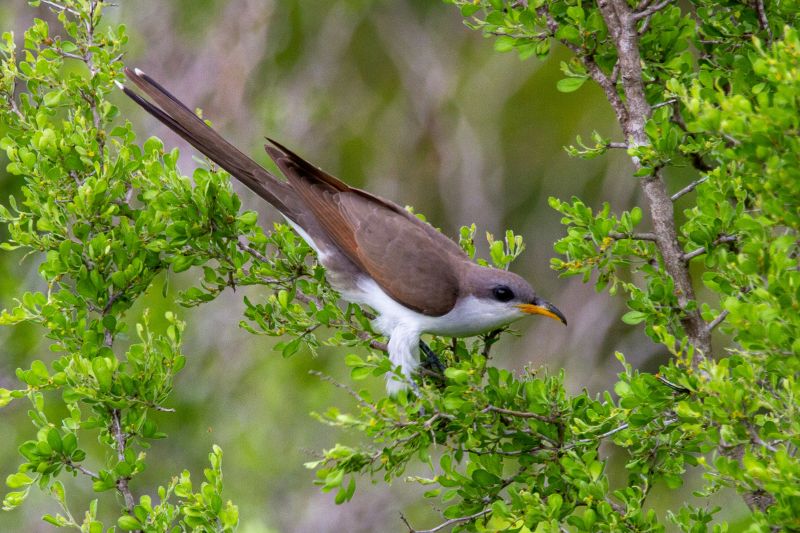
It has a way of stopping you, even if only for a second. Not because it demands attention exactly, but because it seems to arrive from a distance you can’t quite place. When it does, you find yourself registering it almost without thinking: something has shifted.
None of these are especially grand signs. They’re not meant to be. On their own, they’re easy enough to pass by.
Which may be why we prefer something clearer. A date, for instance.
Fixing Beltane to the first of May gives it a shape we can hold onto. It makes it possible to gather, to mark the moment – fires, traditions, all the visible expressions of celebration.
And those have their place.
But they sit slightly to one side of what the land is doing.
Because by the time May comes around, the change has already been underway for a while. The air has softened. The ground has eased. Growth has moved beyond its more tentative stage into something steadier, more assured.
It doesn’t feel like a beginning so much as a continuation.
That slower unfolding is easy to miss if you’re only looking for clear markers. We’re used to thinking in beginnings and endings, in before and after. The seasons don’t quite follow that pattern.
There’s more of an overlap. A gradual exchange.
Cold mornings still arrive, but the afternoons carry warmth. Branches that were bare begin to show intention before they show leaf. The light lingers a little longer each evening, almost without you noticing when that started to happen.
Beltane sits somewhere within that transition. Not as a line, but as a deepening.
By mid-April, it’s difficult not to feel it. The days stretch out. The ground underfoot has a different give to it. Overhead, the trees are beginning to fill, not fully formed yet, but clearly on their way.
Everything seems to be leaning in the same direction.
Not hurried, just steady
And it’s that steadiness that can be easy to overlook. Change, when it comes like this, doesn’t always announce itself. It gathers quietly, until at some point you realise it’s already here.
So when May arrives, and we say “this is Beltane,” what we’re often doing is recognising something that has been building for some time.
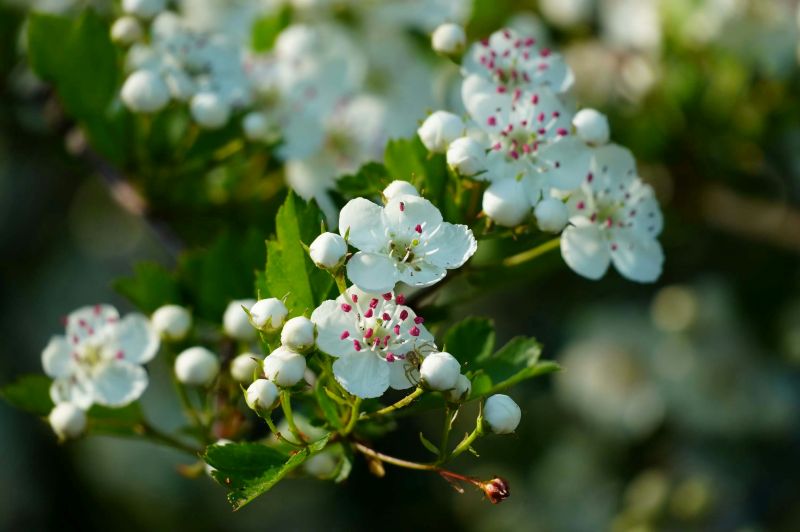
The hawthorn helps with that. When it comes into bloom, it does so with a kind of quiet certainty – white flowers set against deepening green, a scent that carries further than you expect. It feels like a moment you can point to.
But even that has had a long beginning.
And if you’ve been paying attention, you’ll have seen it coming.
The earlier signs. The smaller shifts. The ones that don’t lend themselves to celebration in quite the same way, but form the substance of it all the same.
In that sense, the gatherings and the fires feel less like a starting point and more like an acknowledgement. A way of marking what is already visible.
The land itself doesn’t make that kind of distinction. It doesn’t need to declare what it’s doing. It simply continues.
There’s something quietly reassuring in that. A reminder that not everything needs a sharp edge or a clear beginning to be real.
If you follow it closely enough, it begins to change how you notice other things as well.
Some shifts only become clear over time. Some beginnings only make sense in retrospect. They don’t arrive fully formed; they gather, almost unnoticed, until they reach a point where they can no longer be missed.
The turning of the year is like that.
So if you’re asked whether you celebrate Beltane, you can say yes. You can speak of the first of May, of tradition, of fire.
But it’s equally true that the thing being marked didn’t begin on that day. It started earlier. Quietly.
In the appearance of a flower you might have walked past. In a call that seemed to come from nowhere. In the slow lengthening of the light, evening by evening, until it becomes something you can’t help but notice.
Nothing dramatic.
Just enough, in the end, to feel unmistakable.
Beltane isn’t really a date. It’s the point at which you realise the season has already turned – and has been turning for some time.

CLICK HERE TO DONATE TO OUR CROWDFUNDER
HELP US BECOME STRONGER SO THAT WE CAN CONTINUE TO DELIVER POWERFUL CITIZEN JOURNALISM!




