


There seems to be anger everywhere. Turn on the television and there is conflict. Open social media and there is outrage. Ask an innocent question online and somebody, somewhere, appears ready to take offence, deliver an insult or assume the very worst of you.
It is tempting to blame one thing, be it Donald Trump, woke culture, immigration, the war in Gaza, Russia, the cost of living, or just the latest controversy manufactured for our attention.
And all of those things matter. Yet none of them fully explains what is happening. Something deeper is at work.
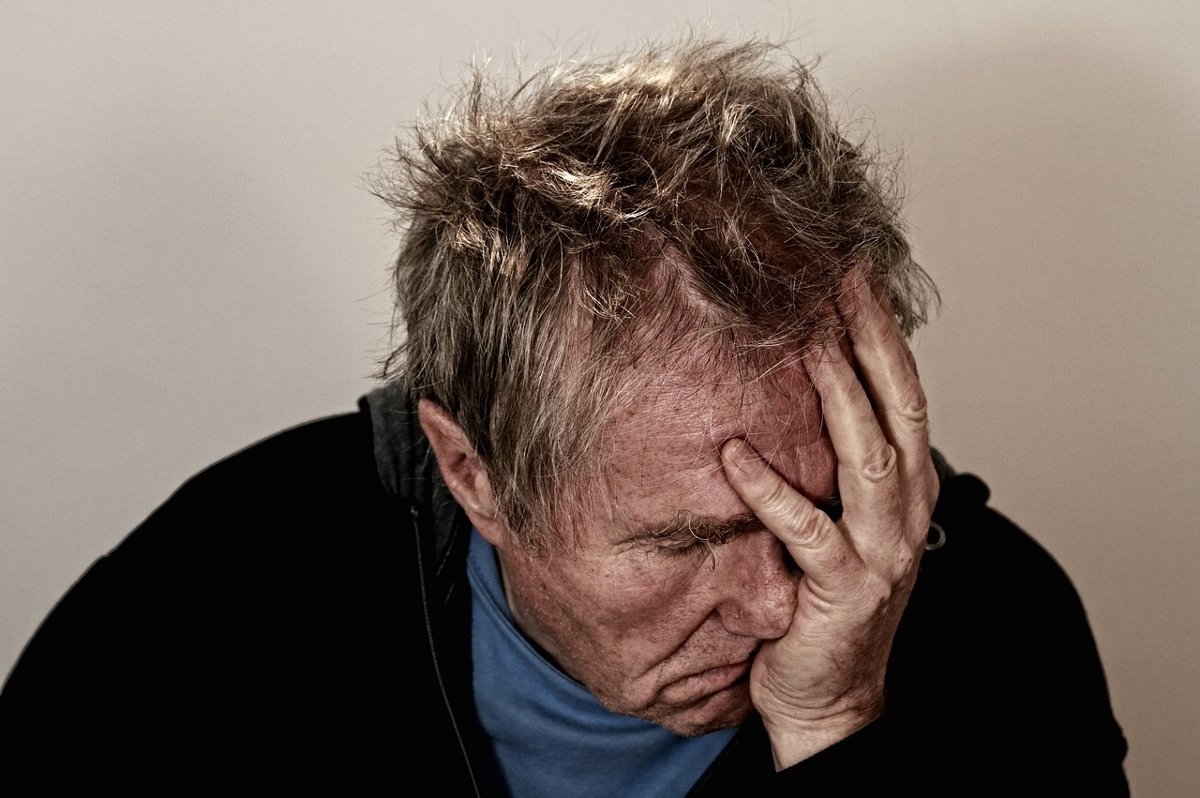
I suspect we are not living through an age of anger at all, but an age of exhaustion.
Not simply physical exhaustion, though many people are tired enough, but a deeper weariness of the mind and spirit. A sense that we are expected to carry more information, more anxieties and more emotional burdens than human beings were ever designed to bear.
Previous generations certainly faced hardship. They endured wars, economic crises and uncertainty about the future. Life was often harder in material terms. Yet they possessed one thing which we have steadily surrendered: they were allowed to stop.
The newspaper arrived once a day. The evening news came and went. Most troubles remained local and distant events stayed distant. A person could concern themselves with their family, their street, their village and their town without feeling morally obliged to absorb every disaster unfolding elsewhere.
Today we carry the world in our pockets
Before breakfast we can absorb tragedy in Gaza, unrest in America, conflict involving Iran, arguments over immigration, warnings about climate change, predictions of economic decline and the fury of complete strangers.
Every hour brings another crisis, another outrage and another invitation to take sides. We have become connected to everything, yet connection is not the same as understanding, and information is not the same as wisdom.
For most of history, our ancestors worried about the things they could actually influence. They concerned themselves with the harvest, the weather, family disputes and the fortunes of their immediate community. Their world was smaller, but in some respects healthier.
We, by contrast, are invited to feel responsible for everything and powerful over nothing. We are emotionally involved in events thousands of miles away while often feeling strangely detached from the people living next door. That contradiction lies at the heart of much modern unease.
There is another sadness beneath the noise: loneliness. Communities have weakened. Churches are quieter. Neighbours often remain strangers. Families are scattered and friendships increasingly maintained through screens. We know what celebrities think about the latest controversy, but often have little idea how the people three doors down are getting on.
Human beings are tribal creatures. We need belonging, conversation and shared experiences. We need ordinary things which rarely make headlines but quietly sustain life: a familiar face in the village shop, a friend who asks how we are and waits for the answer, a pub, a church hall, a bench beneath a tree.
Without such things, loneliness hardens, and loneliness has a curious habit of disguising itself as anger. That may explain why so much modern rage feels oddly unmoored. The bitterness encountered online rarely sounds like confidence. More often it sounds like pain, frustration searching for a target, a thousand private disappointments spilling onto strangers.
Community is the answer
During the pandemic, something curious happened. Stripped of routines and distractions, many communities rediscovered one another. Neighbours who had barely exchanged a word found themselves talking over garden fences. People offered to collect shopping for strangers. Volunteers appeared. Small acts of kindness multiplied.
There was fear, certainly, but there was generosity too. For a brief moment, it felt as though something forgotten had returned.
It reminds me of children when the electricity goes off. At first there are complaints and frustration. Somebody worries about missing their favourite programme. Another asks when the Wi-Fi will return. There is boredom and irritation and the uneasy feeling that something important has been taken away.
But then something curious happens. A board game appears from the back of a cupboard. Candles are lit. Somebody suggests cards. Conversation begins. Families who have spent weeks drifting past one another under the same roof suddenly sit together again. Stories are told. Laughter returns. For a few hours, the old rhythms reappear.
Then, inevitably, the lights come back on. The television flickers into life. Phones are picked up. Everyone drifts away again into separate worlds, and the small moment of connection disappears.
Modern life resembles that more than we care to admit. For all the extraordinary comforts technology has brought, it has also occupied every silence and filled every spare moment. We are entertained constantly, informed endlessly and connected without pause, yet many people feel lonelier than ever. Distraction and companionship are not the same thing. Convenience is not the same as contentment.
Human beings have always needed moments of idleness: long conversations that lead nowhere, evenings spent doing nothing in particular, companionship that asks for no performance and no opinion. Yet modern life is suspicious of such things.
Silence must be filled. Waiting must be occupied. Every spare moment becomes another opportunity to scroll, consume and react. We have not become less social. We have become less present.
That is why so many people feel nostalgic without quite understanding what they miss. It is not life before Covid they long for. What many miss are those fleeting moments when neighbours became communities again, when strangers seemed less strange and when we remembered that human beings need one another more than they need algorithms, arguments and endless distraction.
Kindness is a balm
The world presented through screens is not always the world we inhabit. In ordinary life, people are often kinder than the internet suggests. They hold doors open. They stop to help. They smile at dogs. They exchange weather forecasts with strangers. They bring meals to neighbours who are unwell. They still queue patiently. They still apologise when someone bumps into them. Beneath the noise, most people are simply trying to get through life as best they can.
We should remember that.
Sharp words are not always signs of wickedness. They are often signs of weariness. Beneath outrage and argument, we are witnessing something more human and more fragile.
Not an age of hatred – an age of exhaustion.
Exhausted people do not need more reasons to turn on one another. They need rest, meaning, friendship and communities that ask something of them while caring for them in return.
Civilisation depends less upon winning arguments than upon preserving the small and ordinary bonds that make life bearable. Societies can survive disagreement, hardship and uncertainty. What they struggle to survive is loneliness.
And if ours sometimes feels like an angry age, it is worth asking whether we are mistaking weariness for wickedness. So many exhausted people are searching for something they cannot quite name.
Not victory.
Not outrage.
Not another opinion.
But the simple reassurance that they belong somewhere, that somebody knows their name, and that they do not have to face the world alone.

CLICK HERE TO DONATE TO OUR CROWDFUNDER
HELP US BECOME STRONGER SO THAT WE CAN CONTINUE TO DELIVER POWERFUL CITIZEN JOURNALISM!






