


We marched, we chanted, we campaigned, but ultimately the Remain movement failed to change what is happening. There is no way back from the United Kingdom leaving the European Union. All that is left now to campaign for, is whether we leave with a trade deal or not at the end of 2020. So what remains of the movement and its values? And where is the relationship with those who voted leave? Well four years on from that incredibly divisive referendum, we seem as a society to be as divided as ever on this issue.
Some recent polls seem to indicate that the mood might have changed with only 39% still backing leaving the European Union. It’s all too late though, all we can do now is watch what happens and think about whether there’s a movement left and what its values might be.
Large gatherings, big names
Remainers, remoaners, the 48%… whatever you choose to call the people who in 2016 voted to remain in the European Union, are a big group, 16 million in fact. There was passion in this movement, enough to drive large crowds to the marches and big social media followings. In March 2019, 1 million marched to campaign for a vote on the deal in the Put It To The People march. The movement created celebrities in Madeleina Kay, Femi Oluwole and Steve Bray. The marches drew big-name supporters and speakers with Caroline Lucas, David Lammy, Sadiq Khan, Sir Patrick Stewart, and Eddie Izzard to name a few. And the speech by David Lammy in the commons has become famous for describing Brexit as “a trick, a con, a swindle”. No doubt these words will be quoted for many years to come.

I was one of those people, deeply upset and disturbed by the 2016 referendum result. Terrified about rising xenophobia, determined to campaign and march to see if something could be done. I joined several of the marches in London and Brighton and saw the crowds grow as despair deepened. What was always striking to me were the demographics of those marches and at the heart of the movement. Those I saw were mostly white and older people. A scene that seems to have been the same in the local EU campaign groups around the country. These seemed largely like a middle-class crowd who read the Guardian and sipped lattes en route to the marches.
Is that where the movement failed? The passions that have animated people since 2016 are very different to those that drove people to vote in the referendum. Were the arguments too complex, not compelling enough? When I look back on it now, I realise we were campaigning for a cause that seemed too remote and complex for so many people in British society who were frustrated with austerity and the lack of any significant help for, and spending on, the vulnerable. For them the sight of all those Guardian-reading remainers just highlighted even more why they voted Leave.
And still we march?
This summer saw people turning out around the world in big numbers for a different campaigning issue, as the Black Lives Matter movement raised the profile of the fight for racial justice. Those marches were dominated by young people of all colours who organised and mobilised thousands. Coverage from around the UK showed the youthful face of protest, just as Greta Thunberg’s Friday school strikes, about the failure to act on climate change, drew young people out onto streets around the world.
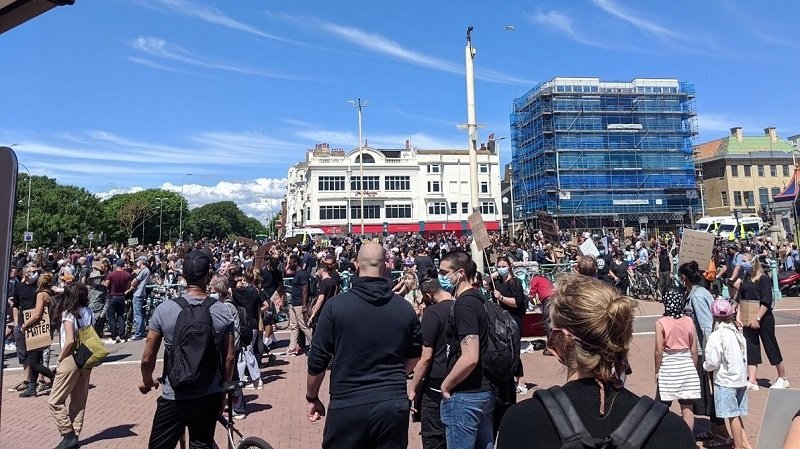
The values of the Black Lives Matter marchers should, in theory, be similar to those of the Remain marches. The movement, at heart, was about inclusion, welcoming immigration, free movement, internationalism and openness. So that should have translated into support for the Black Lives Matter movement and addressing the white supremacy and structural racism inherent in our society. Except it didn’t. Scenes from all around the UK were of mostly young people of all races, turning out to march. It was the 28-year-old British-Nigerian actor John Boyega who inspired protesters with his passionate speech at a London rally. Of course this was all during a pandemic which would have stopped many from marching, but even on social media, those Remain voices did not seem to be the same people in support of Black Lives Matter.
What of Remain today?
Where does that leave the Remain movement now? It feels too early to start campaigning to rejoin. The electorate has surely had enough of Brexit and any campaign to rejoin will be one for future generations. The movements that mobilise young people out to protest today are Extinction Rebellion and Black Lives Matter. The Pro-EU flag waving movement feels distant already.
In 2020 with a global pandemic, an economic recession and a climate crisis, is this a moment where British society will redefine what its priorities are? Will we remain divided on the issue of Brexit, or will the new world highlight different divisions between us all? One thing is certain: the spirit of protest lives on.

CLICK HERE TO DONATE TO OUR CROWDFUNDER
HELP US BECOME STRONGER SO THAT WE CAN CONTINUE TO DELIVER POWERFUL CITIZEN JOURNALISM!



