


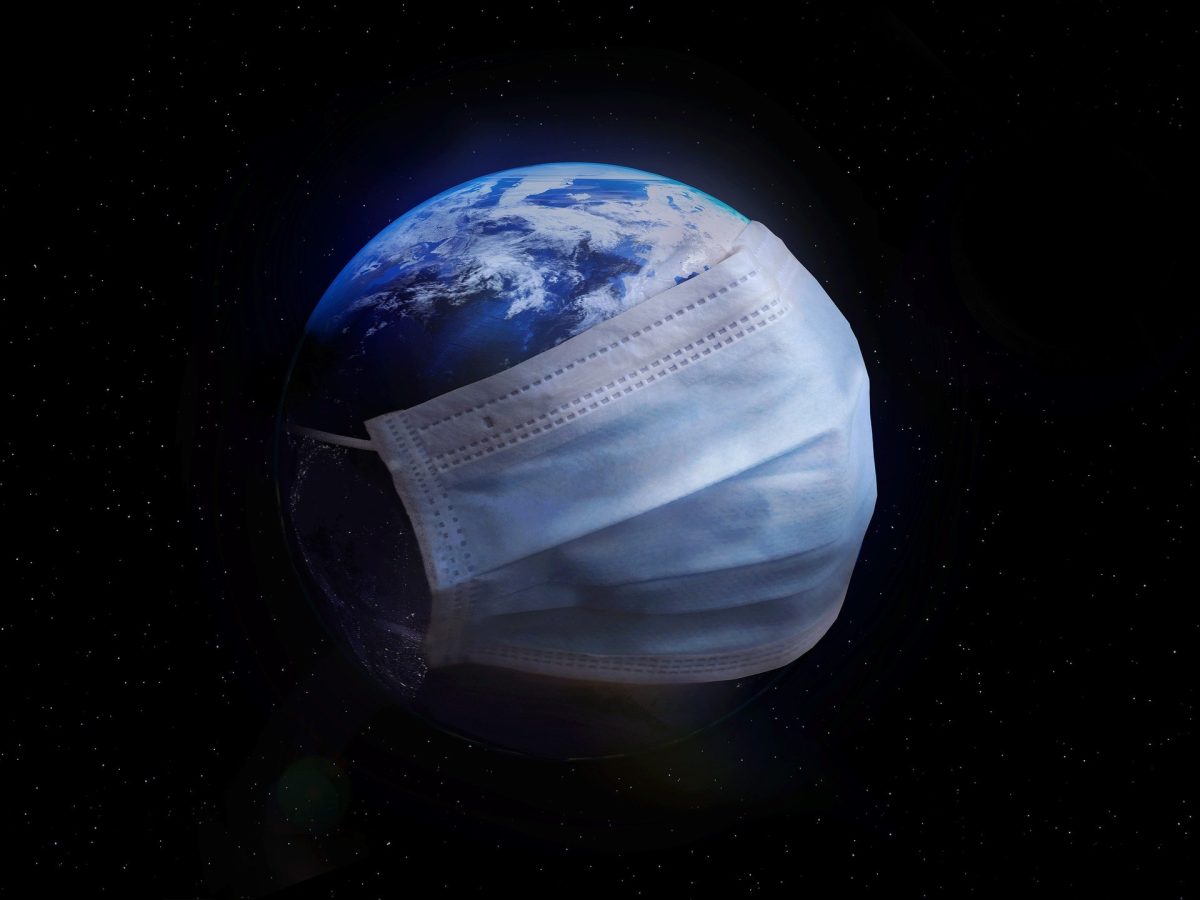
As we navigate the first month of 2021, we are all focused on getting through to the other side of the pandemic. With the horrifying infection rates, hospital admissions and number of UK deaths from Covid now over 100,000, it is hard to think of anything else. It is also difficult to focus on positives when faced with the onslaught of this terrifying virus.
There are many different opinions about the long-term effects of Covid and what we should do next. Globally, most governments seem keen to get back to the old normal as quickly as possible. By contrast, some commentators and experts believe that life will never be the same again, and that the pandemic will have an even greater impact than the two world wars of the last century. My perspective is that this is a long overdue wake up call to humanity, a timely warning that we have to fundamentally change our civilisation if we are to survive.
As we begin to take stock of the enormity of this seismic shock to the global system, we should acknowledge that there is a much greater disruption on the horizon. Our Earth is in critical condition. Climate breakdown and ecological collapse threaten to undermine our life support systems, and we will have to build global cooperation and action beyond the end of the pandemic.
Fortunately, there are positive lessons we can take from the last 12 months as we prepare to tackle the massive environmental problems we are facing.
Firstly, humans are resilient and highly adaptable. Almost a year into the pandemic, we have proven ourselves far more flexible and adaptable than we might have previously believed. The vast majority of us have changed our behaviour rapidly and radically in order to help combat the virus spread, and abide by the lockdowns, demonstrating that in times of crisis we can change even our most ingrained habits. If we are to tackle our environmental crisis, we need to maintain our collective responsibility. This will mean living more simply, and choosing to stop or reduce activities like flying or eating red meat.
Secondly, we have come together as communities and put the greater good first. Whether looking after our neighbours, caring for the vulnerable or volunteering for the responder service, millions of people have rediscovered the joy of community and service. Solving the climate crisis will, similarly, entail putting others ahead of ourselves, and recognising that we are also part of a global community that has to work together to save humanity.
Thirdly, we have seen that when scientists and business work together with a common purpose and great urgency, they can achieve miraculous results quickly. Pfizer, AstraZeneca, Oxford University and others have created safe, effective Covid vaccines in record time. Similar collaborations have the potential to do the same for essential green technology and solutions. We have made great progress in reducing the cost of renewable energy, and now we need to accelerate this trend in order to achieve rapid breakthroughs in vital areas such as sustainable transport, carbon sequestration and eco-efficient homes. We have the means, so now we must combine that with the collective will to make it happen.
Nobody could have anticipated how swift, extensive and devastating Covid would be, nor the toll it would take on our economy and society. We have known for decades how disastrous climate change and ecological collapse will be. Scientists have warned us consistently for years. We can predict quite accurately the terrible impact of the two, three or even four degree Celsius rise in average global temperatures we are currently on course to reach. We know that it will lead to far more extreme weather events, which will in turn cripple agriculture and food production, exacerbate poverty and mass migration, resulting in increased conflict and many millions of deaths.
As we all plan for life after the pandemic, we need to apply valuable lessons learned from fighting Covid to building a more resilient world that is based on the long-term needs of our people and our planet, rather than short-term addiction to profit. If we can strengthen global cooperation, continue to follow the science and make climate and ecological priorities our guiding principle in everything we do, we stand a good chance of succeeding.
If you are interested in learning more about how we can shape our future, and create a more sustainable and equitable world, sign up for the free YOUR BETTER NATURE live webinar discussions on Wednesdays at 7pm on 27th Jan, 3rd & 10th Feb. These are hosted by UN Association Climate & Ocean. Please book here: Your Better Nature. A series of thought-provoking Webinars Tickets, Multiple Dates | Eventbrite






