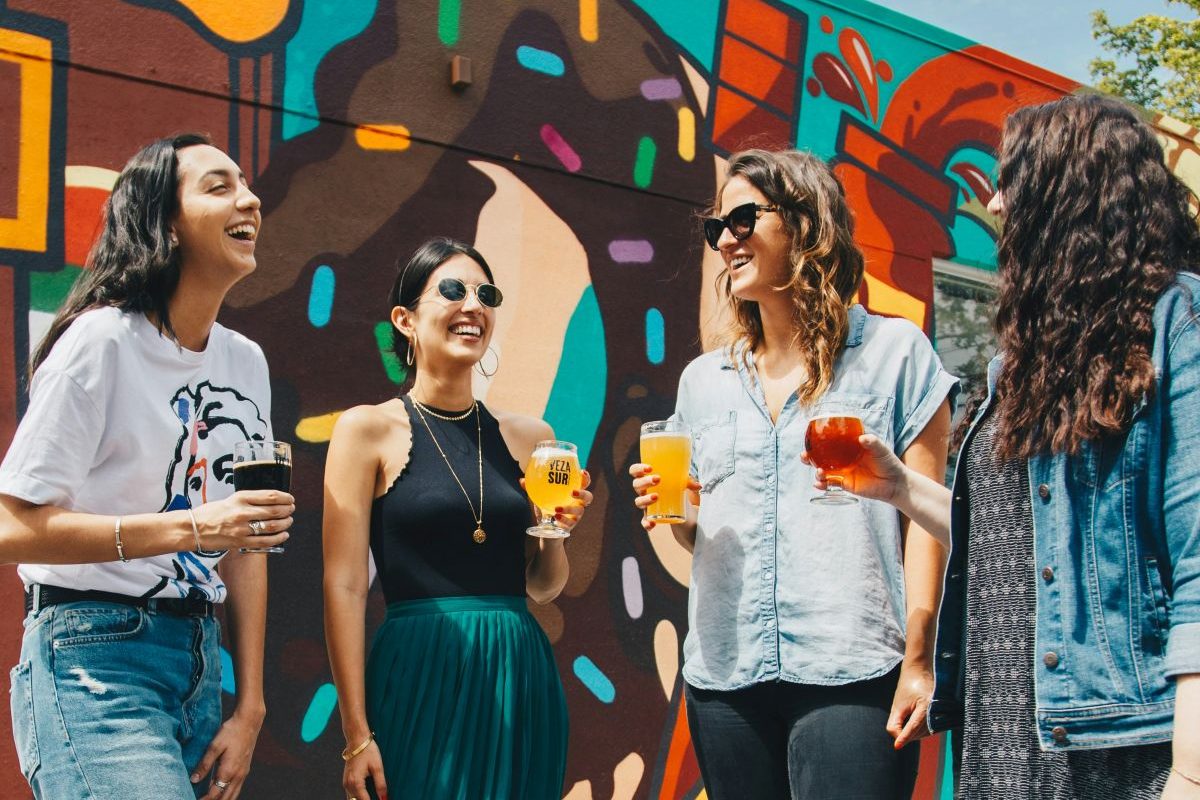
For decades, alcohol has been embedded in our social lives, from weekends spent at the pub to a non-negotiable glass of Bucks Fizz at a birthday brunch. But as the years pass, this drinking culture is changing. Generation Z, defined as anyone born between 1997 and 2012, is drinking less alcohol than any previous generation, a shift that is having visible consequences for the UK’s drinks industry.
This is not simply about changing tastes. Data consistently shows that younger adults are consuming less alcohol overall, drinking less frequently, and binge drinking at lower rates than millennials did at the same age. While previous generations often “grew into” heavier drinking through culture and social expectation, Gen Z appears to be starting from a fundamentally different baseline.
A generational divide
Evidence from the NHS’s Health Survey for England underlines just how pronounced the generational divide has become. The survey found that Gen Z adults, aged 16–24, were the least likely of any age group to drink regularly, with just over a third reporting drinking alcohol at least once a week, compared with around six in ten people aged 65–74, the “Baby Boomers” generation.
Younger adults were also more likely to report not drinking at all in the past year. Taken together, the data suggests that lower alcohol consumption among Gen Z is not simply about moderation, but about a different relationship with drinking – one in which alcohol is far less embedded in routine than it is for older generations.
Activities rather than intoxication
Part of the change is cultural. Drinking is no longer the social default it once was. Nights out are beginning to increasingly accommodate alcohol-free choices, and opting not to drink now carries far less stigma than it did even a decade ago.
For many young people, socialising now revolves around activities rather than intoxication – coffee shops, fitness classes, hot new food spots, or simply just staying in. Alcohol, when it does appear, is optional rather than assumed.
Like most social issues, money matters too. Gen Z has reached adulthood during a prolonged cost-of-living crisis, facing high rents, insecure work and stagnant wages with less disposable income than previous generations. Against this backdrop, alcohol, particularly in pubs and clubs, is an expensive indulgence. The price of a single drink has risen sharply in recent years, turning nights out with a casual pint into luxury purchases with financial calculations. Drinking less is not only a lifestyle choice but a financial one too.
The shift in younger people’s drinking habits is having a visible effect on the drinks industry. Falling alcohol consumption among under-30s has caused declining sales in pubs and bars that traditionally rely on younger customers. In 2025, approximately one pub permanently shut down per day, an unprecedented and alarming rate.
Reframing moderation
Alcohol awareness has also reshaped attitudes. Social media has made the various effects of alcohol more visible and accessible than ever before. As a result, younger adults are more likely to associate alcohol with poor physical and mental health, irresponsible decisions, and unsafe behaviour.
For a generation attuned to wellbeing and self-management, negative alcohol effects don’t fit with bigger goals. The media has amplified this shift, normalising sober lifestyles and reframing moderation as aspirational rather than dull.
What seems clear is that this is not a fleeting trend. Gen Z’s relationship with alcohol reflects deeper shifts in how young people view health, money and social connection. As drinking loses its status as a social default, the UK may be witnessing a quiet but lasting transformation – one that challenges industries, reshapes nightlife, and redefines what it means to “go out”.

CLICK HERE TO DONATE TO OUR CROWDFUNDER
HELP US BECOME STRONGER SO THAT WE CAN CONTINUE TO DELIVER POWERFUL CITIZEN JOURNALISM!