


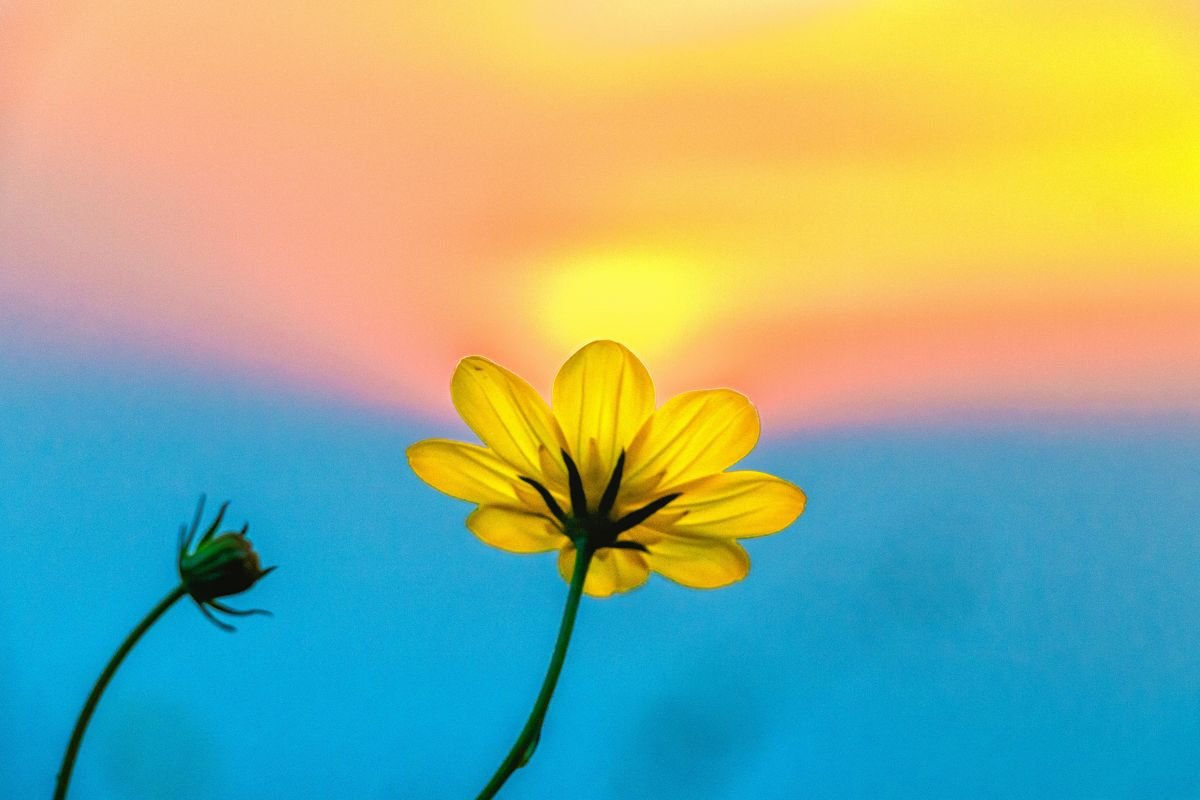
A few days before the summer solstice I found myself out walking earlier than usual. Most of the village was still asleep. Curtains remained drawn and there was little sign of movement from the houses I passed. Yet the natural world was already fully awake. Blackbirds sang from rooftops, a robin called from a nearby hedge and a thin veil of mist lingered over the fields.
It struck me that while many of us experience midsummer through its long evenings, nature seems to celebrate it at dawn.
There is a peculiar quality to the days around the summer solstice. Dawn arrives before many of us are awake, birdsong begins while the rest of the world sleeps, and evening seems reluctant to end. The daylight stretches itself across the landscape with such confidence that it can feel as though summer has finally settled in for good.
Yet appearances can be deceptive.
The summer solstice marks the longest day of the year, the point at which the sun reaches its greatest height and daylight its greatest extent. The word itself comes from the Latin meaning “sun standing still”, referring to the way the sun appears to pause before beginning its gradual journey back in the opposite direction.
For most of us, the solstice is little more than a date on the calendar. We may notice that the evenings are long or that darkness arrives unusually late, but few give much thought to what the day actually represents. Our ancestors, however, paid close attention. Long before calendars hung on kitchen walls, people watched the land, the sky and the changing seasons. They measured time through observation rather than appointment.
To them, the solstice was not simply an astronomical event. It was a marker in the great turning of the year.
What fascinates me most about midsummer is the paradox at its heart.
The solstice is often seen as a celebration of light. It arrives when gardens are overflowing with colour and the countryside seems full of energy and abundance. Elderflowers brighten the hedgerows. Roses spill over garden walls. Swifts race through the evening sky with their unmistakable cries. Meadows sway with grasses already preparing for harvest, while bees move steadily among the flowers, intent on work that began long before we noticed summer had arrived.
Everywhere there is evidence of growth and vitality.
Yet at the very moment the light reaches its greatest strength, it begins to retreat.
The change is almost imperceptible. No one notices the loss of a minute here or there. The days remain long, warm and generous. Summer still stretches ahead of us. Yet the turning has already begun. The wheel has reached its highest point and is moving onward.
Nature seems remarkably comfortable with this reality. The blossom does not cling to the tree, nor the swallow argue with autumn when the time comes to leave. Each season arrives, flourishes and passes in its own time.
There is something deeply reassuring in that.
Every season has its time
We live in a culture that celebrates growth, achievement and accumulation. We are encouraged to strive for more, reach higher and keep moving forward. Success is often imagined as a destination, a place where everything finally settles into permanence.
Nature offers a different perspective. Every season has its time. Every ascent is followed by a descent. Every beginning contains the seed of an ending.
Far from being a cause for sadness, this is what gives each season its value.
A garden in full bloom is beautiful precisely because it will not remain so forever. The long summer evening feels precious because we know shorter days will eventually return. We cherish moments not despite their impermanence, but because of it.
The countryside seems to understand this instinctively.
At this time of year the signs are everywhere if we take the time to look. The scent of elderflower drifts along country lanes. Buttercups scatter gold across field margins. Young swallows gather on telephone wires, while the first hints of ripening fruit begin to appear among the leaves. Even the sunlight feels different, falling almost vertically at midday and casting long golden shadows late into the evening.
Perhaps this is why people continue to be drawn to the solstice. While many gather at ancient monuments or watch the sunrise from hilltops, the deeper significance is not found in any particular location. It can be experienced just as readily in a village garden, along a footpath or while standing quietly beneath a tree at the end of a summer day.
The solstice invites us to notice
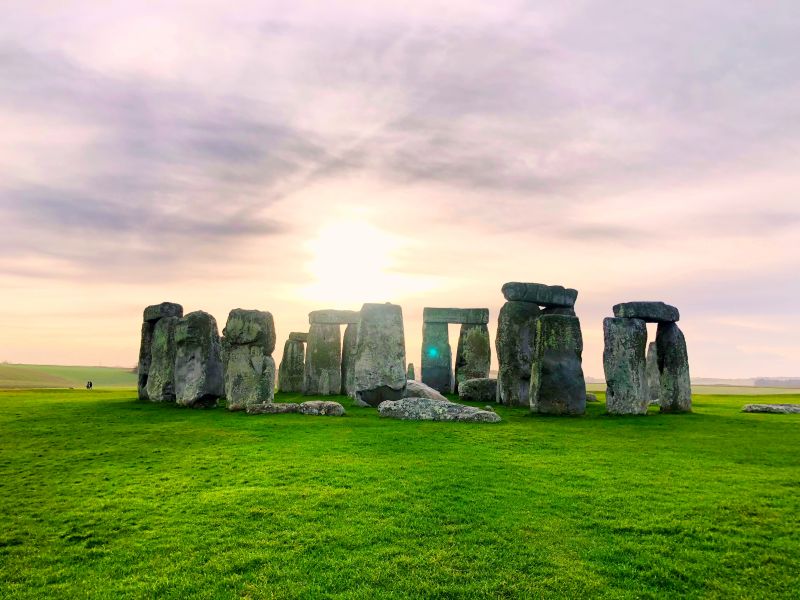
It encourages us to step outside the routines of modern life and remember that we belong to rhythms older than our diaries and deadlines. It reminds us that time is not simply something measured by clocks. It is something felt in the length of shadows, the arrival of swallows, the ripening of berries and the changing angle of sunlight across a field.
As a Druid, I find meaning in these seasonal turning points. Yet I suspect one does not need to follow any particular spiritual path to appreciate what the solstice has to teach.
There are moments in life that resemble midsummer. A project reaches completion. A child grows up. A long-awaited goal is achieved. We arrive at a place we once imagined lay somewhere in the future. And like the solstice itself, these moments often contain both fulfilment and transition.
The view from the summit is never permanent, but perhaps that is precisely what makes it worth appreciating.
The longest day continues to capture our imagination not because the sun stands still, but because it reminds us that nothing else does.
The year turns. The seasons change. Life moves forward. And for one luminous moment in June, we are given the opportunity to notice.

CLICK HERE TO DONATE TO OUR CROWDFUNDER
HELP US BECOME STRONGER SO THAT WE CAN CONTINUE TO DELIVER POWERFUL CITIZEN JOURNALISM!






