


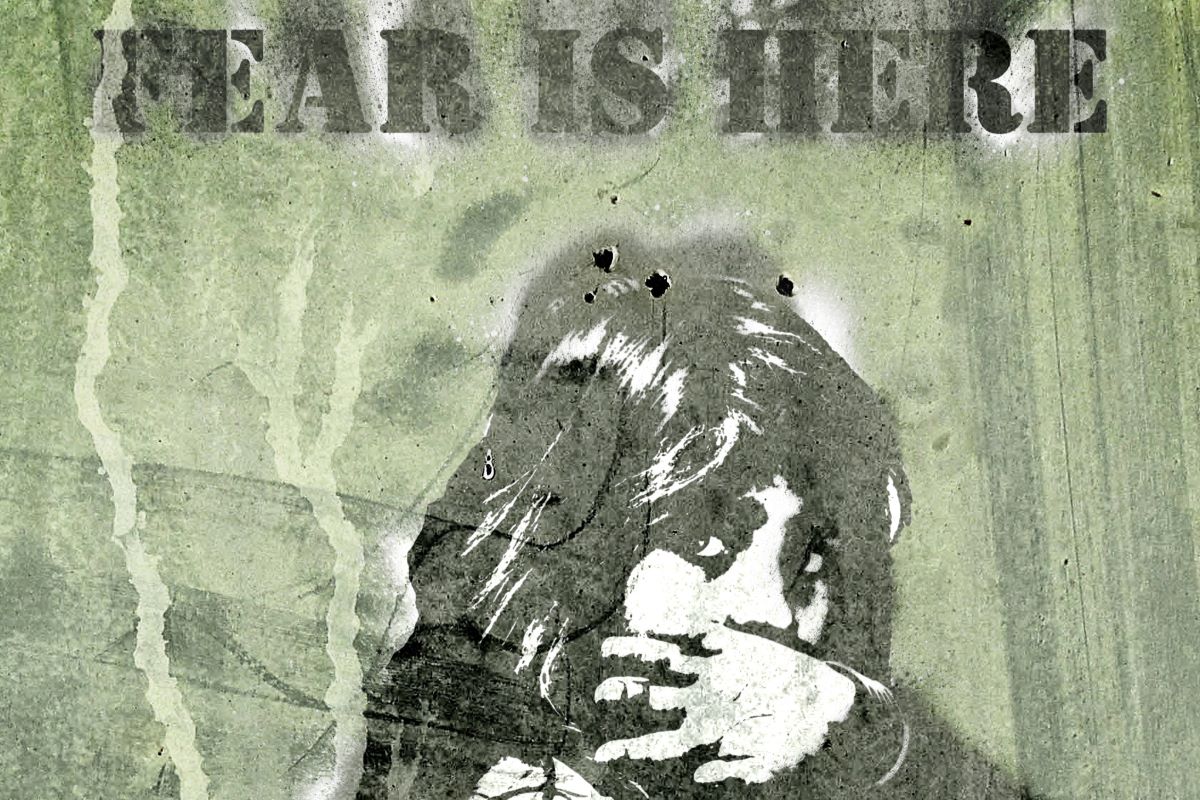
Across towns and cities in Britain, many asylum seekers are now being housed in HMOs – houses of multiple occupation, often in areas already struggling under the weight of deprivation. For some local residents, the sudden arrival of new neighbours, many of them young men and strangers to the language and customs of the area, has raised deep unease.
Complaints spill out: “Our children can’t play out anymore.” “It doesn’t feel safe.” “They don’t speak English.” These worries are real, spoken in the pubs, in the shops, at the school gates. But are they grounded in fact? Or are they fuelled by political rhetoric, headlines designed to stir fear, and the memory of communities that no longer exist in quite the same way?
The loss of play and the changing streets
Older generations remember a different rhythm of life: children knocking on doors, football in the street, skipping ropes on the pavement until dusk. Today, in most neighbourhoods, that culture has already ebbed away long before the arrival of asylum seekers. The shift has many causes: fears about safety, the lure of digital entertainment, stricter parenting, the car-dominated roads of modern towns. The absence of children’s laughter on the streets is a cultural loss, but it cannot be laid solely at the feet of newcomers.
Perceptions of crime
In several areas where HMOs now house asylum seekers, local voices insist crime has increased. Yet police data and local authority records consistently tell a different story: there has been no statistical rise in crime linked to these arrivals. Senior officers have spoken plainly that while incidents do occur as they would in any community the narrative of an asylum-driven crime wave is unsupported by evidence.
Perception, however, often outweighs fact in the minds of residents. A cluster of young men in unfamiliar clothing, speaking a language you cannot understand, loitering outside a corner shop, can trigger unease. A fight in the street is retold as a sign of lawlessness. A lack of communication breeds assumption. This is fertile ground for mistrust to take root.
The cost-of-living shadow
It is also impossible to ignore the context in which these tensions flare. Many of the areas chosen for asylum housing are already amongst the most deprived, their residents battered by rising food costs, higher energy bills, insecure work and overstretched services. When you feel you are barely hanging on, the arrival of strangers who seem to receive “support” from the state can spark resentment. “Why them, not us?” is the cry – even though in truth asylum seekers are given the bare minimum: shared rooms, a small weekly allowance, and little choice about where they are sent.
The political fire
Into this mix stride right-wing politicians and commentators. Their message is simple: Britain is being “overrun,” communities are “at breaking point,” crime is spiralling.
Fear is a useful tool for these people. It gathers support, draws headlines, and pushes anger away from deeper structural failings – underfunded schools, lack of social housing, cuts to youth services and towards the easy scapegoat: the migrant.
As the fear spreads, vital distinctions are blurred. An asylum seeker is not an economic migrant, nor an undocumented worker. They are someone who has fled war, persecution, or oppression, seeking sanctuary in a country that has signed international agreements to provide it. To frame them as criminals before they have even had their case heard is to deny not just their humanity, but our own obligations under law.
History and identity
There is also irony in the cry of “This is our land.” The very soil of Britain has long been shaped by waves of movement: Romans, Saxons, Vikings, Normans. Even the so-called “Anglo-Saxons” were themselves migrants, settling upon and reshaping the culture of the Celtic peoples they found here. The Celts too were not “originals,” but earlier arrivals. To be British is, by definition, to be part of an ever-changing mosaic.
And yet, when new migrants arrive, suspicion arises anew. Even British citizens of different ethnic backgrounds, born and raised here, still find themselves treated as outsiders. It is not only the asylum seeker who feels the sting of exclusion, but also their children and grandchildren who have never known another home.
Integration or incarceration?
Some voices have called for asylum seekers to be housed not in communities but in closed facilities where they can be “watched.” This language of incarceration is dangerous. It treats those seeking refuge not as humans in need, but as problems to be contained. Such approaches not only risk breaching human rights obligations, but also reinforce the cycle of fear and division.
Integration is not easy. It takes investment, patience, and will on both sides. Language classes, community projects, opportunities for shared activity – these are the bridges that slowly dissolve suspicion. When people meet one another not as labels but as neighbours, many fears fade.
The deeper challenge
At its heart, this debate is not only about asylum seekers. It is about belonging, safety, and the pace of change in communities that already feel left behind. It is about political leaders offering easy answers rather than grappling with complex realities. It is about the stories we choose to tell: of threat, or of shared humanity.
If the narrative is only that “outsiders make us unsafe,” then mistrust will grow, and communities will fracture further. But if the narrative is that “our neighbourhoods deserve better – safe housing, fair services, opportunities for all and we will not let fear turn us against one another,” then there is hope.
A balanced truth
So let us be clear. Local concerns about safety are real, and should not be dismissed as ignorance or prejudice. When change happens quickly, people need space to voice their fears. But equally, those fears must be held up to the light of evidence. There is no proven link between the presence of asylum seekers in HMOs and rising crime.
What there is, instead, is a toxic mix of deprivation, political scapegoating, and the deep human tendency to mistrust the unfamiliar. If we are to build communities that feel safe for our children once more, it will not be achieved by locking away those who come seeking sanctuary. It will be achieved by addressing poverty, by strengthening local services, by creating spaces where neighbours, whatever language they speak, can share life together.
We might not be able to return to the days of children knocking on doors for a kickabout in the street. But we can choose whether the streets of Britain echo with suspicion and division, or with a renewed spirit of welcome and belonging.
That choice lies with all of us – residents, leaders, and newcomers alike.

CLICK HERE TO DONATE TO OUR CROWDFUNDER
HELP US BECOME STRONGER SO THAT WE CAN CONTINUE TO DELIVER POWERFUL CITIZEN JOURNALISM!







