You thought June was hot: in the UK it smashed the previous record by almost a full degree Celsius. Globally, July is likely to be even hotter. But to most of the mainstream media it’s just another temperature record: yawn.
We become numbed to the consequences as they dramatise the effects of increasingly frequently broken records – the floods and wildfires and people suffering and dying in previously unknown high seasonal temperatures. No subsequent debate, though, as to what steps are needed to grapple with the effects of an overheated planet (more on this later).
And we should look at what is happening to the Earth’s wider biodiversity as a warning that things are going very wrong.
As the June heatwave rolled on, rivers in the UK were wracked with mass fish deaths – incidents up tenfold – due to the high temperatures and thunderstorms reducing oxygen levels in the water. While macabre scenes of dead fish floating down rivers were particularly visible facets of this heatwave, they’re merely the tip of the iceberg in terms of the ecological damage that the climate crisis is set to inflict.
Can animals adjust to the heat?
Frankly, even the Plagues of Egypt are beginning to look rather tame.
All species live within a range of thermal tolerance, and evidence shows that, particularly at the hot extreme, most animals have little physiological ability to adjust; they’ll instead seek shade and/or water or migrate to cooler climes.
The movement of many species to higher latitudes has already been documented in marine fish and zooplankton, and indeed in many insects. A recent meta-analysis covering over 100 insect species found that for every 1°C rise in temperature, their maximum thermal limit increases by less than 0.1°C on average.
This has implications both for biodiversity and for human society. Given that over 75 per cent of global crops rely on insect pollination, climate-driven shifts in species distributions have implications for agricultural production.
Many insects are also vectors of infectious disease. It’s likely that, as global heating shifts insect distributions, this will extend the range of diseases like malaria, as Anopheles mosquitoes colonise higher latitudes and elevations. Similar distribution changes are predicted for vertebrate hosts of zoonotic disease, such as bats.
Rivers turned into open sewers
Many species, though, even among mammals, will struggle to change their distributions rapidly enough to keep pace with climate change. In the UK, many species adapted to cooler climates will see their ranges contract or go nationally extinct.
Many factors make wildlife in the UK unnecessarily vulnerable to increasing extreme weather events.
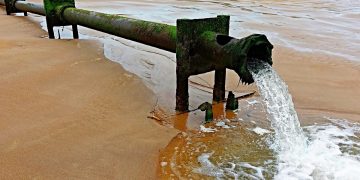
Our river ecosystems are famously being subjected to a barrage of assaults. On top of being dredged and canalised – which reduces their structural complexity and removes wildlife habitat from their beds and banks – Britain’s rivers have essentially been turned into open sewers by livestock farming and by profiteering water companies.
These and other factors have made our rivers less resilient to climate-related stress.
The story is the same for the wider landscape. Woodland is an effective buffer against temperature extremes, providing cover for wildlife, as well as intercepting the flow of water through catchments, reducing flood peaks and drought. Of course, it’s also crucial for storing and sequestering carbon, therefore helping to mitigate the climate crisis itself. And yet the UK has only 13 per cent woodland cover – well below the European average.
What’s the least we can do?
The climate and biodiversity crises are therefore inseparable. If we are to maximise climate resilience, large-scale nature recovery is necessary, and if we want to reduce threats to biodiversity, we need to act rapidly to mitigate the climate crisis.
At a minimum, we should ban new oil and gas licences, and decarbonise our economy as rapidly as possible – including insulating buildings, revitalising our public transport systems and investing in onshore wind, as opposed to the current government’s pandering to NIMBY Tory members.
But with the impacts of climate change already being felt, and the virtual inevitability of exceeding the 1.5° Paris Agreement threshold, we must also ensure that our ecosystems are sufficiently robust to cope.
That means restoring river systems to their natural shape and floodplains, to create thriving wetlands, where fish and other aquatic life can find shelter.
How we can boost ecosystems
Intensive livestock farms suffocating rivers with manure should be shut down, and the water industry renationalised, with investment to update infrastructure. Allowing beavers to roam wild through our waterways would give these ecosystems a great boost in resilience to climatic extremes.
Landscape-scale re-wilding is also necessary, to provide habitat connectivity and wildlife corridors that facilitate the movement of species in response to climatic pressure.
Not only will this benefit biodiversity, but it will also ensure that the ecosystem services on which our own society relies, and which will help us to cope with increasingly extreme weather, are maintained.
Unless governments start to take seriously the urgency of decarbonising our economies and future-proofing our ecosystems, we’re all on a highway to hell