


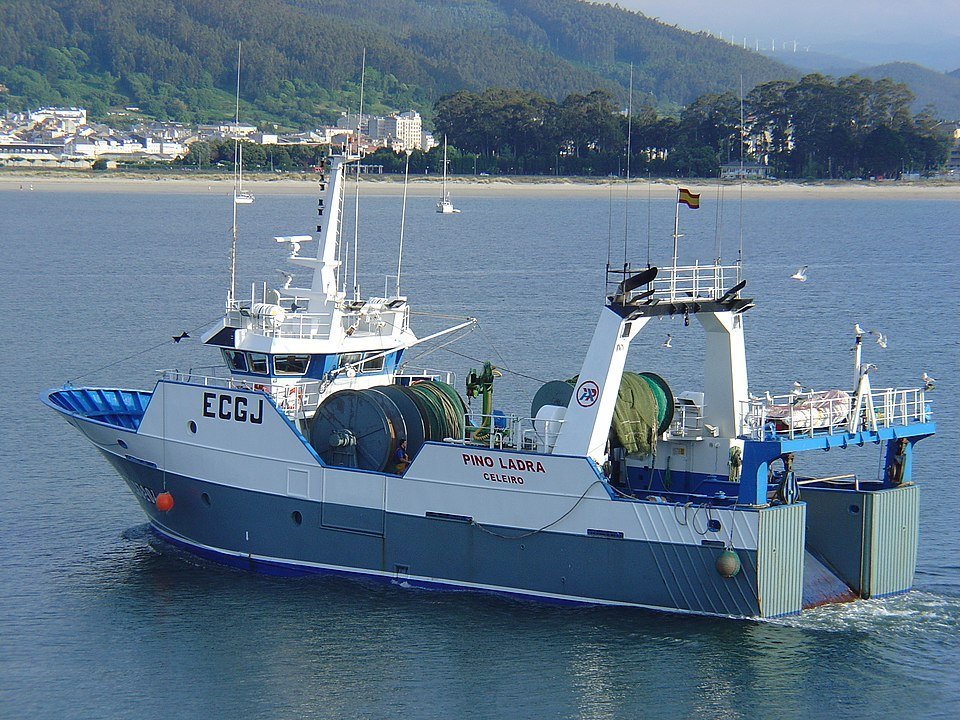
Last month Defra (the Department for Environment, Food and Rural Affairs) released a statement proudly announcing a new consultation on increasing protections for the UK’s marine protected areas (MPAs), which encompass various designations, primarily marine conservation zones, special areas of conservation, and special protection areas.
The central consultation proposal is (try not to get too excited) that perhaps, at some point, we might possibly consider banning bottom trawling in a further 13 of our 374 MPAs. Listen carefully and you might hear the perverse, contemptuous toot of Thérèse Coffey’s solitary party horn, while exasperated marine conservationists stick their snorkels into exhaust pipes.
Minimal government protections
The government’s approach to MPAs has been consistent over the last decade or so in its disregard for our seas. One might reasonably expect that being designated a marine protected area might confer some, er, protection. Alas, that would be to underestimate the Tories. From a total of over 885,000km2 of UK waters, the area that completely prohibits fishing, for instance, is approximately 25km2 – around 0.003 per cent – in a few small and isolated reserves, while the area currently closed to bottom-towed gear amounts to a lofty six per cent, or less than three per cent of MPAs.
Given that fishing is the greatest threat to marine biodiversity, and that bottom trawling and dredging are among the most ecologically destructive practices on Earth (including, until recently, along the Sussex coast), one wonders just what the 30-odd per cent of UK waters supposedly under MPA designations are being protected from.
Decline in marine life
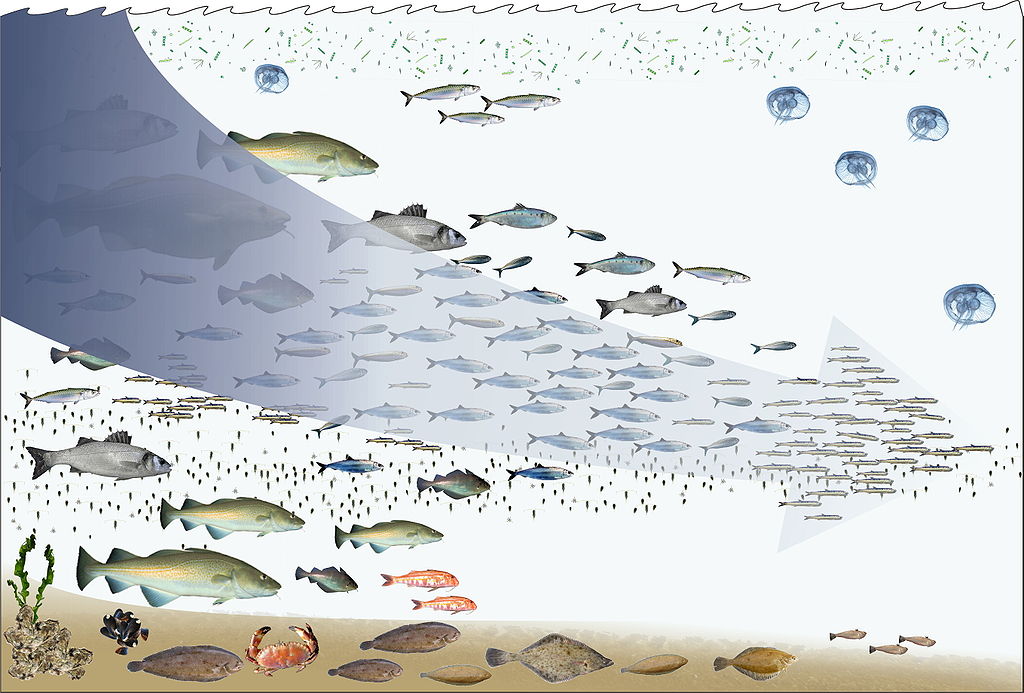
Marine ecosystems are in freefall worldwide, which shouldn’t be surprising given centuries of systematic commercial hunting and extraction of their wildlife. There has been a more than 90 per cent decline in the biomass of commercially important predatory fish since the mid-20th century – a time of intensification in industrial fishing – but from an already highly depleted baseline.
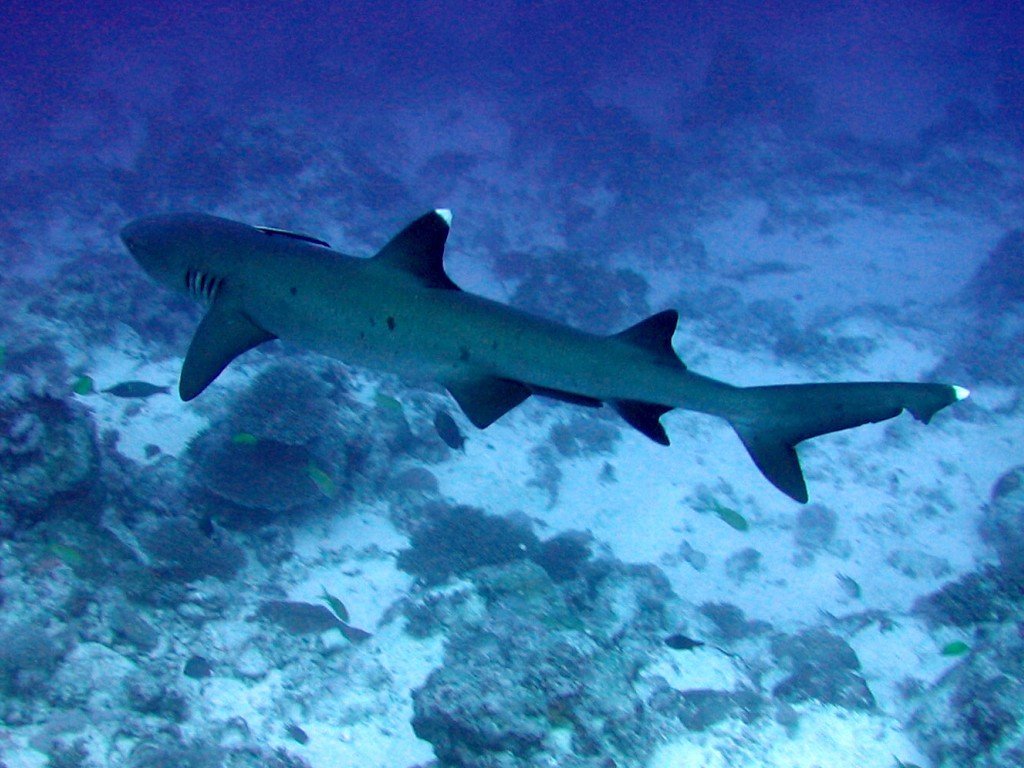
Predatory species tend to be good indicators of ecological health, because they occupy positions high up in the food web. So consider the status of the most infamous group of predatory fish, the sharks. Of all the species of chondrichthyans globally (the class of fish that includes sharks, rays and chimeras), over 37 per cent of species are estimated to be threatened with extinction. That makes them the second most threatened class of vertebrates, behind only amphibians.
Oceanic sharks and rays have declined in abundance by over 70 per cent since 1970 – even more in the tropics. For coral reef species, almost two-thirds are threatened compared with the overall 37 percent. The main culprit in all cases: fishing, mostly by catching sharks as bycatch.
Creative Commons Attribution-Share Alike 3.0 Unported.
Can marine protection areas help?
Outside the UK, marine reserves tend to actually mean something. In these areas, where fishing is prohibited or at least seriously regulated, one sees a stark contrast with surrounding areas, as often habitats recover within them. Even limited regulations like banning trawls and dredges can have profound benefits to benthic (seafloor) sessile life, such as scallops, kelp forests, coral and maerl, which form the habitat for numerous fishes and invertebrates.
This can benefit neighbouring fisheries, as commercially important species increase in abundance, individual size and fecundity within MPA refuges, and then they or their offspring migrate or disperse out of the areas, known as spillover.
Of course, MPAs all have limitations. To return to sharks, for example, there’s evidence that some species benefit significantly from protected areas, but for sharks more broadly, this appears to depend on the size of the MPA in question. And while MPAs are generally effective – sometimes even when they’re incredibly small – funding for scientific monitoring and staff capacity can nevertheless put constraints on outcomes.
In some parts of the world, the conservation priorities of MPAs must incorporate indigenous rights for local communities reliant on artisanal fishing for subsistence. There isn’t necessarily a contradiction here: often food insecurity in poor countries dependent on their coastal fish stocks comes from foreign commercial fishing fleets, with the EU being particularly nefarious in this respect. Well managed MPAs, ideally with conservation funding from countries in the global north, could mitigate all these issues.

The future of fisheries and fish consumption
For some large, migratory animals and heavily exploited species, MPAs alone won’t be sufficient. MPA networks must be connected by corridors, and fisheries outside them must be better regulated or closed down.
At the individual level, people should be more aware of the ecological impact of their diet, and act accordingly. That could mean stopping eating fish or, at the very least using one of several ‘sustainable’ seafood guides.
One thing, though, is crystal clear. Prohibiting commercial fishing in MPAs should be the absolute bare minimum. Forget bottom trawling – that should be banned altogether, and an MPA that allows it is like a nature reserve on land allowing artillery strikes. Boasting about a consultation on ending trawling in a few of our MPAs is a celebration of failure. The UK cannot claim global leadership on protecting 30 per cent of the global ocean by 2030 if we’re simply cheating our way there with imaginary lines on a map.




