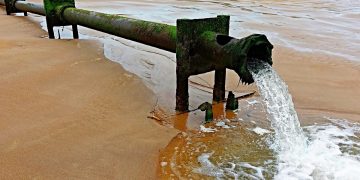
In Hastings, the effects of heroin usage can be seen in waif-like figures, often in a hurry, faces gaunt, aged before their time. In the rest of Sussex and the UK as a whole, the number of users – estimated by the BBC in 2011 at 300,000 – is expected to soar as the Covid-triggered recession bites.
For Afghanistan, four decades of war and poverty have pushed people to the brink, while in Britain a decade of austerity followed by a pandemic has created a petri dish for opium addiction. Last September UK police seized 1.3 tonnes of heroin with an estimated worth of £120m, while those working with support groups say heroin usage is steadily rising. Public Health England has identified coastal towns as the worst hit by heroin; Hastings now experiences 6.5 deaths per 100,000 due to misuse of this drug (the national average is 1.9 deaths) and in 2016 England and Wales experienced 2,593 deaths from drug use.
Putting aside the destructive nature of opium, the new form of farming is something of a renewable energy revolution. In 2012, Afghan opium farmers were working 157,000 hectares of land, by 2018 it had doubled to 317,000 and by 2019 it expanded to 344,000 hectares.
In a country which already provides 90% of the world’s opium, this has led to production more than doubling from 3,700 tonnes in 2012 to 9,000 tonnes in 2017. Through satellite imagery it is possible to count 67,000 solar panels in Helmand Province alone.
For a country with no national electric grid system, and diesel hard to transport on rickety and unsafe roads often lined with improvised explosive devices (IEDs), the transition to solar renewable energy is a natural and potentially very fast step.
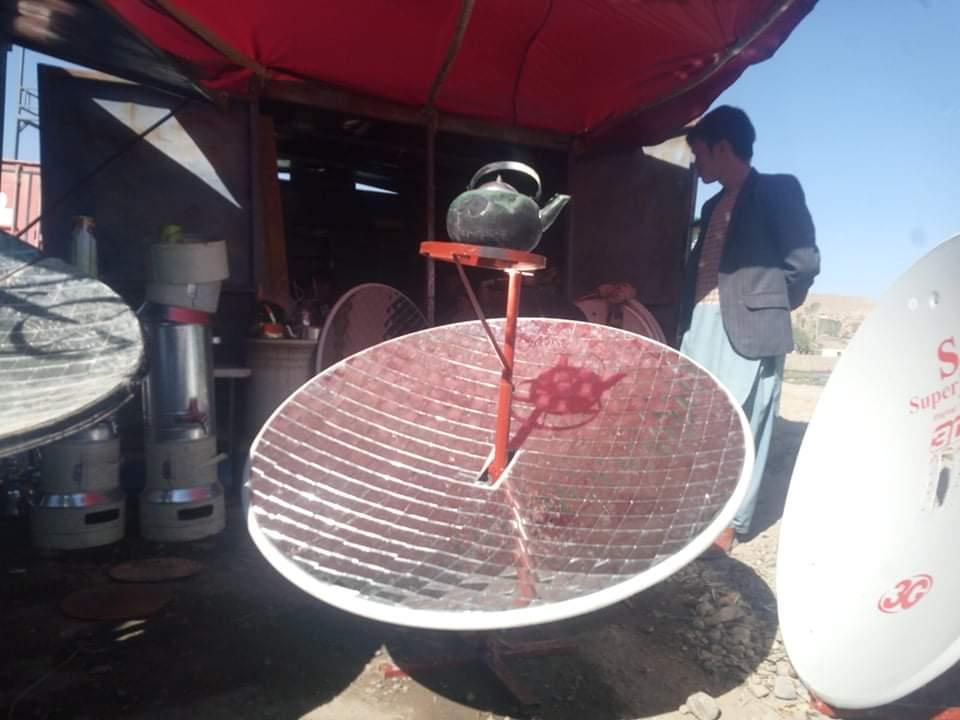
Photo credit: Maya Evans
It is now commonplace to see solar arrays in refugee camps and many homes have at least one array for boiling water or cooking rice and vegetables. Communal ‘yards’ share a solar panel to provide hot water for bathing.
While in Hastings projects to retrofit homes are few and far between and piecemeal government grants only impact a handful of homes, in Afghanistan, incredibly, current indications suggest that the country’s bold embrace of solar may see them overtaking nations like the UK in the quest to transition away from fossil fuels.
For farmers living in one of the poorest countries in the world, an upfront payment of $5,000 is it all it takes to set up as an opium grower with an array of solar panels, and an electric pump which, once installed, has virtually no running costs.
Ironically, the brutal rule of the Taliban had one – perhaps their only – redeeming quality: the world’s most successful anti-drug campaign, which in 2000 managed a 99% reduction in the area of opium poppy farming in Taliban-controlled areas, effectively three quarters of the world’s supply of heroin at the time.
Soon after the US and NATO invaded Afghanistan in 2001, the UK was designated lead country in addressing the country’s counter-narcotic issues. However, the following decade saw news stories of troops working with local opium producing warlords, some of whom were prominent politicians, to protect crops, and even tax the lucrative export being trafficked to foreign markets.
Now, after four decades of war, poverty and corruption, the effect of opium production on ordinary Afghans is devastating. At Red Bridge, Kabul, groups of men can be seen crouching in the shallows of what was once a thriving river in which children swam and people fished for their suppers. This life source is now bone-dry, and among the heaps of rubbish an opium den thrives. Three million, or 10 per cent of the population of Afghanistan, are now heroin users and petty crime has rocketed in the last ten years as addicts rob to sustain their habits.
The prioritising of a money-spinning cash crop over essential food production has also left a once self-sufficient country completely dependent on other nations for basic essentials. Water is also something of a lavish luxury, with only 27 per cent of the population having access to clean water. The drilling of wells three times the standard depth, to irrigate opium poppy fields, will undoubtedly lead to crippling water shortages within the next ten years. Two decades after the ‘war on terror’ was launched, war rumbles on. It’s a war that has spilled over into the UK in the form of terrorist attacks and refugees seeking sanctuary. These consequences were predicted by many observers, although the accelerated rate of opium production, thanks to a renewable energy revolution, is probably a turn no one envisaged.