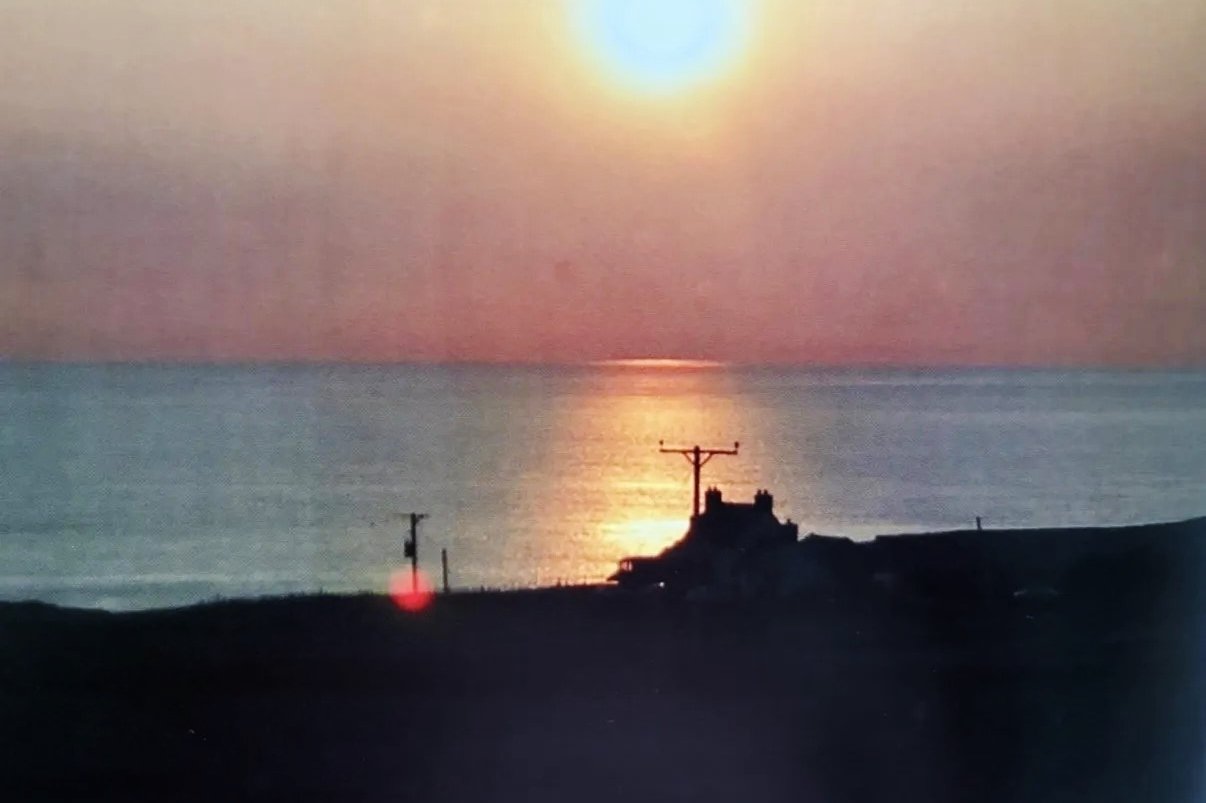
We wanted a house near the sea – but not too near. We needed enough rooms to accommodate all of us, and guests when they arrive. We required a certain acreage for self-sufficiency. After our experiences in Benbecula, (see parts 1 and 2), we thought we knew what we were doing. We were certainly clear about the type of property we were looking for.
However, in mid-2007, properties were scarce and, in that pre-crash time, they were selling fast. Maybe we were just impatient but our minds were focused on achieving our goal and we eagerly hunted for a suitable home.
Then came the flyer for a property in High Street, Sgiogarstaigh (or Skigersta as is easier for an English tongue!). The house appeared to tick all our boxes.
Fools rush in
We were anxious not to lose the place and without viewing we put in a sealed bid. It was the highest bid we could afford and … we won! The house was ours, or it soon would be.
That moment was pivotal to everything that was to happen next. Scottish property law is different than in England and, after the bid was accepted, we were obliged to purchase the place, the contract being enforceable despite us not viewing the house in advance. That was our choice as we had bid blind. There was only one way we could have got out of the deal and that was if the heating system for the property did not work. That was the only way we would be entitled to withdraw from the contract.
The ride up to the house on the day of purchase could not have been more terrifying. Decaying properties inhabited by sheep were in abundance. At the very least we hoped ours had a roof on it!
Old dogs new tricks
At the house on High Street, Skigersta, a man, the height and stature of John Wayne and not dissimilar in appearance, stood outside the back door. Instead of a horse, a bicycle was leant against the wall. We stepped out of our motorhome and were welcomed into our new life.
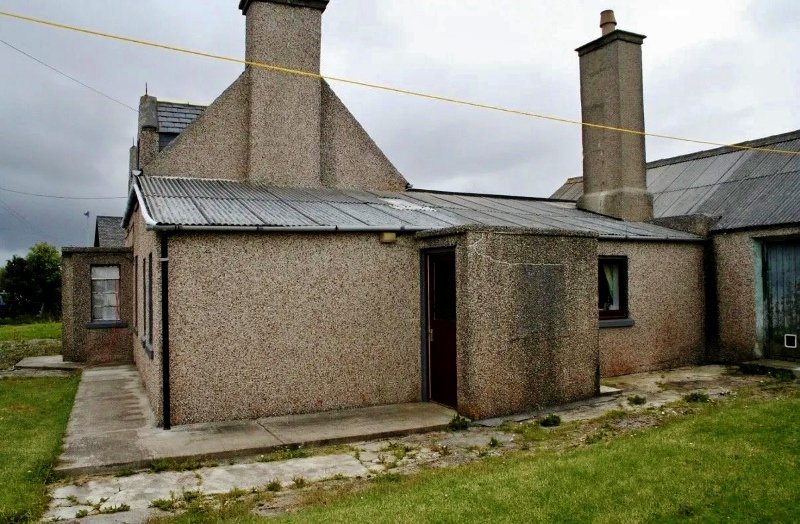
With a wave of his hand, and the melodious tones of a native Hebridean, we were greeted with warmth and friendliness onto the driveway of our new home. The man – we will call him Shamus – was to become our mentor. He bid us welcome, his beaming face open and slightly weather worn, with a look of someone who had managed all of his hardships with resilience and fortitude.
These are necessary attributes for the people of these outer isles. Living in the blackhouses had created a culture of make-do-and-mend. We were to see the results of ‘Necessity being the mother of invention’ more than once. Nature ruled the Hebrideans’ lives and many had to scrape a living from an environment that could be both beautiful and cruel.
We had chosen to do so but we had modern conveniences thrown in as a bonus. Our experience would barely touch on how hard fought the true Islanders lives would once have been, in a time when there were no choices. We had decided to commit to a crofting lifestyle. The Isle of Lewis was destined to test us all, we New Age pioneers. We had stepped off the world we knew into what seemed an alien land.
The home is where the hearth is
The ‘heating system’ in our new home, a necessity out there on the island, comprised of a Rayburn stove. For those who don’t know, it’s a poor man’s Aga. It was to be the bane of my life until I got used to it. On that first day it worked, at least in its own special way.
The Rayburn was a character in its own right. If you got it right it was benevolent and heated your water to the temperature of molten lava. If you didn’t, you would have to escape the kitchen, coughing and spluttering, as clouds of black smoke chased you from the house.
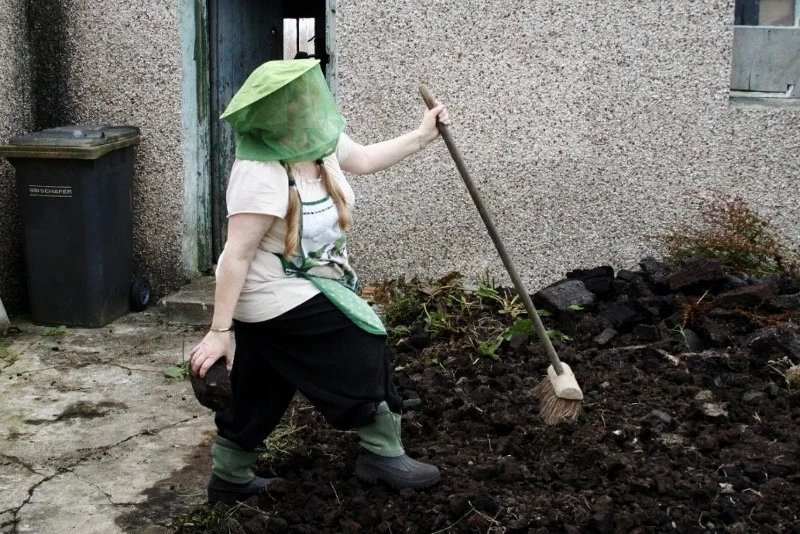
The beast was ravenous. It was too tempting to feed it but that could be your undoing – it certainly was mine on more than one occasion. It fed on peats and anything else that you had available to throw into it! Even the junk mail went into it – nothing was disposed of in the bin. The peats were cut from the land in time-honoured custom with ancient tools and when nature dictated.
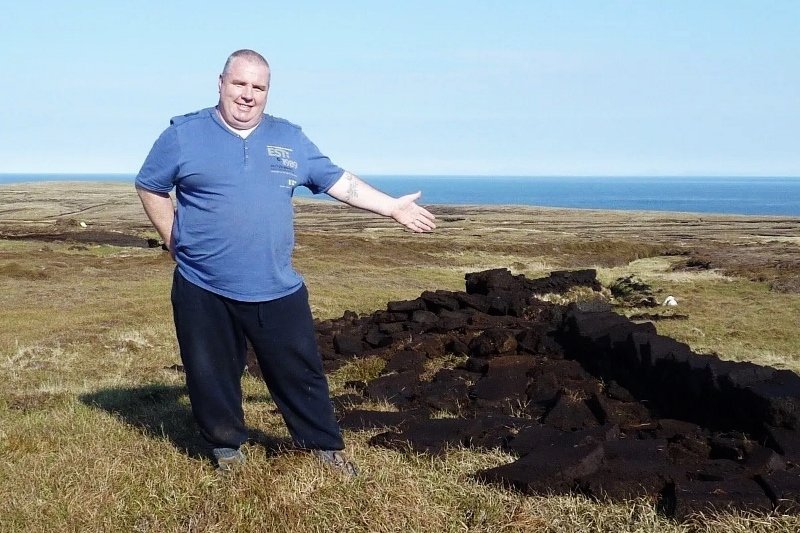
The Shamus helped cultivate the skills of the new crofter with patience and calm fortitude. His wisdom received as a gift, never forgotten. His wife, Mairead, previously a matron at a hospital in Glasgow was stalwart, stoic and no nonsense. We asked if there was anything we should know about Skigersta village. We definitely wanted to fit in and not upset the neighbours. I vividly recall the casual reply: “Don’t put washing on the line on a Sunday.”
The Sabbath
Sundays are special. When we first got the property there were no ferries sailing on a Sunday, the playground had padlocks on the gates and, if you put washing on the line it was likely that it would be taken down, neatly folded and put on your doorstep.
Sundays became special to us too. For different reasons than our village neighbours. To us it became a sheer delight to have the peace and total quiet of a tranquil day where no work was allowed to be done or, more accurately, was not allowed to be seen to be done. My Dad used to say it was like ‘using screws and not nails.’ This meant, on the Sabbath day, working quietly and unseen by others.
Right from the initial day of purchase, we got a crash course on how very different our lives were going to be. If you want to get an idea, search out the famous British comedy film, Whisky Galore. OK, it was made in and filmed on Barra but it has lots of echoes of what we experienced.
To be continued…

CLICK HERE TO DONATE TO OUR CROWDFUNDER
HELP US BECOME STRONGER SO THAT WE CAN CONTINUE TO DELIVER POWERFUL CITIZEN JOURNALISM!