


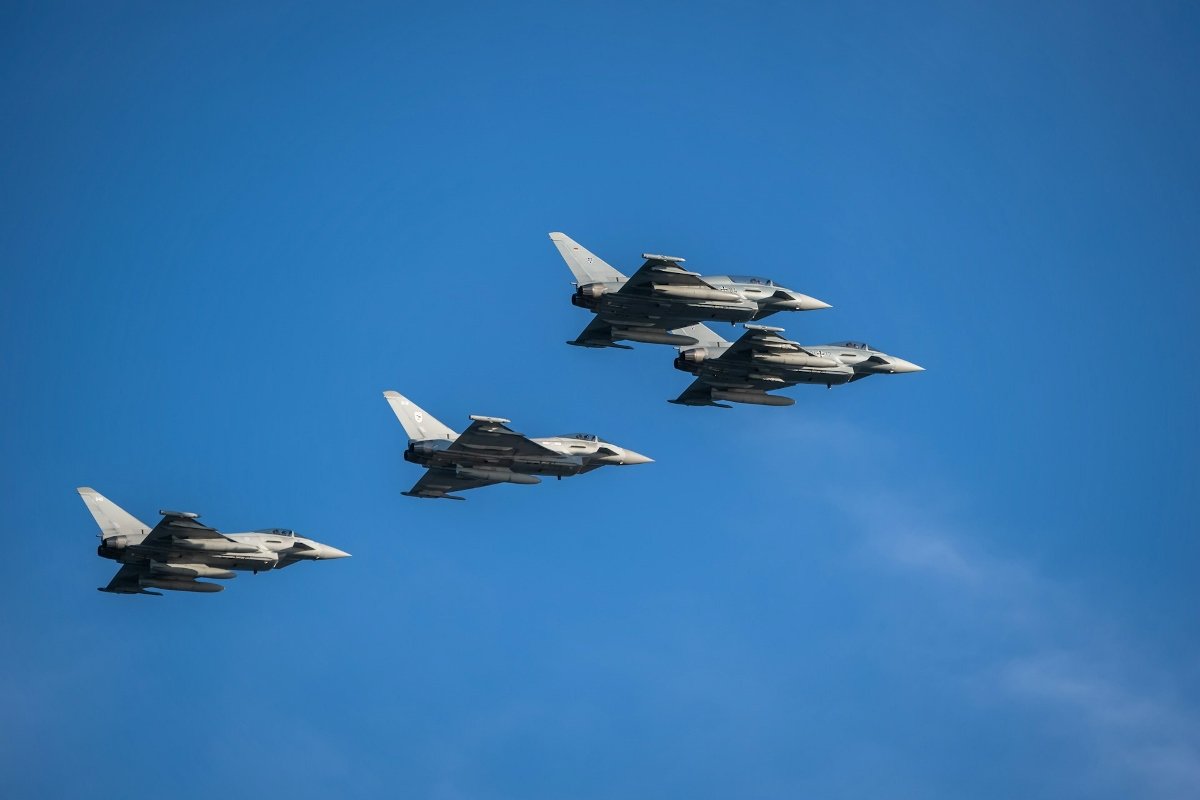
It has become common of late for political voices to state that the welfare budget is excessive while that for defence is inadequate. That one should be cut to fund the other. Attitudes around this may depend on ideology as much as anything. The political Right traditionally favours the military; the Left leans towards the social. Rather than just taking from the poor to spend more, the nation needs to step back and decide what defence really means and needs – but do this through a wider lens than just military.
It has been a political maxim for over 200 years that defence of the realm is a government’s first priority. The origins of the maxim are philosophical: “To ensure collective security, protect citizens from external and internal threats and preserve the rights of the people.” It is hard to imagine that any political party relying on public support would actively depart from this notion. However:
In dictionary terms “defence” concerns reaction to, or protection from, aggression. Compare this with the use of defence assets in recent history: attacking Afghanistan and Iraq; military flights over Gaza in support of a genocidal Israel; the cost of the white elephant “strike” in aircraft carriers and land-fighting vehicles.
Not much threat to this country among these, which suggests that administrations have included in “defence” the ability to attack foreign States, support dubious allies and deliver on contracts related to conflicts which have little relevance to the maxim or the definition. “Whatever it takes to win” is never the mindset when it comes to domestic or social crises – and so should also be questioned when it comes to military matters.
Attacking rather than defending?
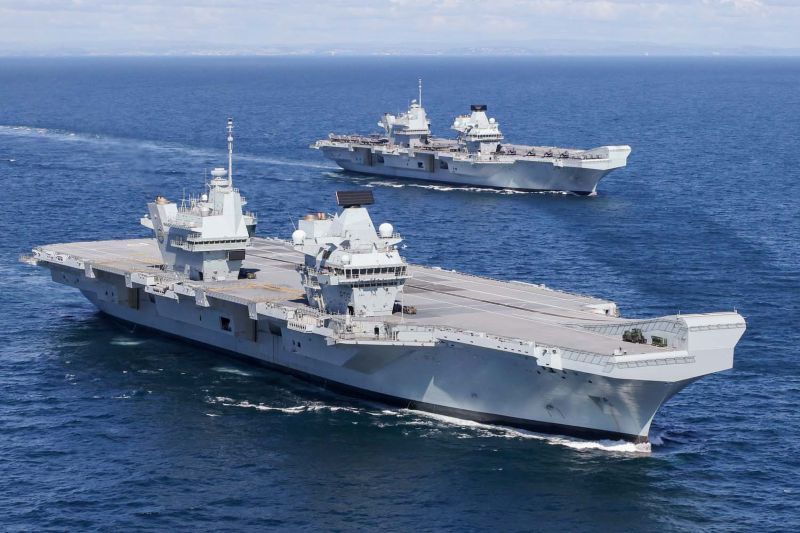
Picture: Petty Officer Photographer Jay Allen
Do we invest wisely? Huge sums devoted to new weaponry look more in tune with overseas war fighting than defence of these islands. What good are aircraft carriers for defence when we have no Iron Dome protecting our shores? Unsophisticated but impassioned defence against highly technical assault can be very effective.
In Afghanistan, major powers with hugely expensive and sophisticated arsenals were forced into humiliating withdrawal by fighters armed with assault rifles and RPGs. Ukraine has shown how defence actually works, even against the might of Russia’s huge resources. Our post-Falklands history is Orwellian: peace means war; defence means attack.
The economic shocks and unwarranted austerity of recent years have led to such tightening of government expenditure that the armed forces – like other important budgets – have suffered considerable belt-tightening, weakening defence capability; but did even that actually exceed what was needed? Have our leaders been mentally fighting the wrong wars with the wrong weapons all along?
War is always a failure of diplomacy. It looks as if the so-called defence budget is inflated by this notion, perhaps a residue of our historic but now past status in the world. A trip through Portsmouth Dockyard is shockingly revealing. Parked, apparently never to move again, within a few score metres of one another, are HMS Victory, icon of Britain’s power, and HMS Queen Elizabeth*, symbol of our current “defence” policy, a near-redundant travesty of public expenditure, the largest ever Royal Navy vessel, which has spent less time on active service at sea than in dry dock, now at rest with a deck akin to a building site.
Are the right people making the decisions?
No ruling of the waves here. The ministry’s track record of huge capital investments, cost overruns and technical failures with little apparent accountability calls into question who should be making such decisions and managing the processes, especially when tax-payers become liable for the huge waste.
The galling US demand that other members of NATO contribute a fairer share of the cost of collective defence may have spurred a justifiable rethink on defence budgets but is scale or purpose more important? The recent Defence Investment Review includes some recognition of 21st century issues but has failed to satisfy Treasury or allies.
What unnecessary pre-emption of distant threats has been included in that shopping list? What immediate protection do we need against attack from either a foreign enemy or a malign internal foe? Maybe there is a case for retraction towards ‘Homeland Security’ as USA calls it; and a separate war chest accountable to the Foreign Office for overseas adventures.
There will be those who argue that no sum is too great to insure national safety. Do they not shop around for the best insurance premiums when it comes to their own protection? Are we really under as much threat as they may claim? Do we really need everything the military demands, when we have the ultimate deterrent anyway?
There is nothing wrong with cutting the cloth to suit real need. People reliant on public services or on the lowest incomes can certainly not shoulder the nation’s insurance premiums, when these reflect years of mis-spending and repeated expectation of diplomatic failures.
* UK Government Licensing Framework – Re-using PSI

CLICK HERE TO DONATE TO OUR CROWDFUNDER
HELP US BECOME STRONGER SO THAT WE CAN CONTINUE TO DELIVER POWERFUL CITIZEN JOURNALISM!







