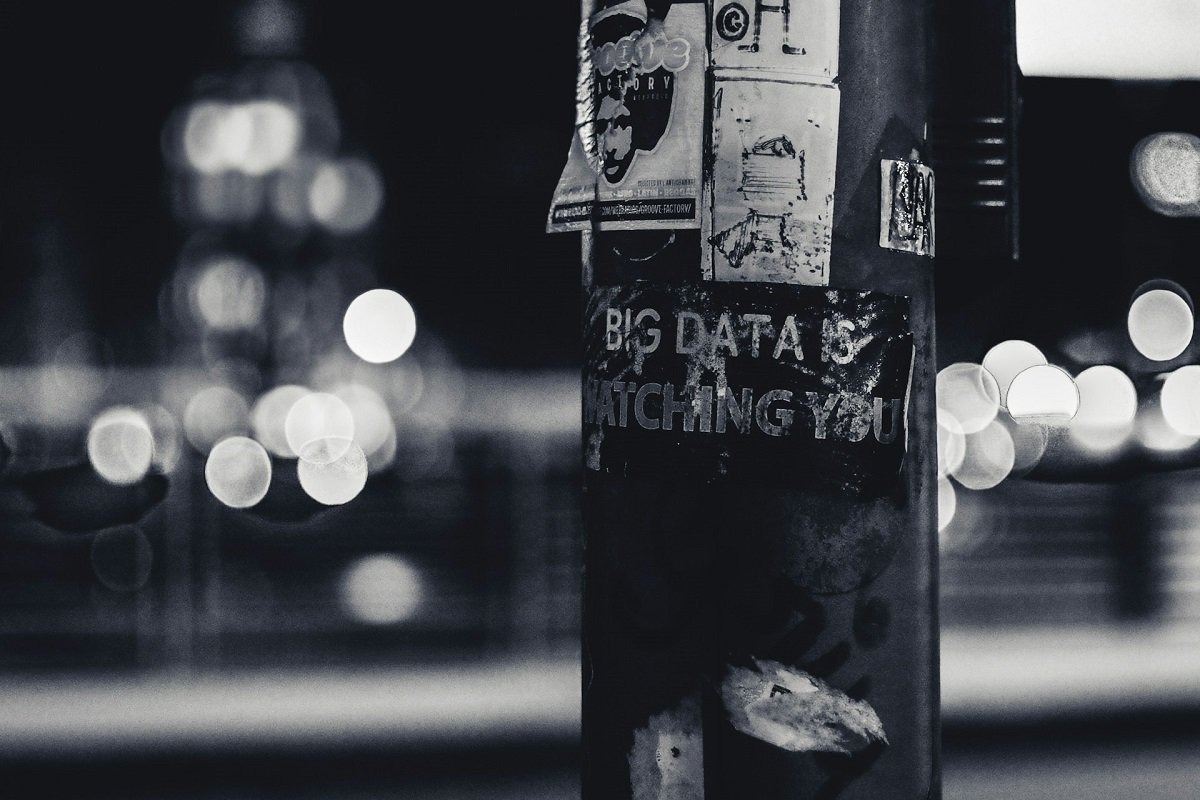
Perversely, information these days is called “data”, the ancient Latin for “things given”. So rapid has been the advance of information technology that this usage has led to “Big Data”, referring to huge datasets which can now be created and analysed at astonishing speed, the life blood of huge new applications and businesses and great hope of the government for innovation.
The very identities of species have been converted to data via the genome, ready for use in medicine and other fields. Unique works of art can be almost perfectly replicated or, through AI, created. Cars will drive us, not we them. Businesses seem to know better than we ourselves what products we might buy. All of which places huge new demands for data storage, processing power, energy generation and distribution.
Innovating with data
Why worry? Data is increasingly useful in addressing issues that matter, especially with the processing power of Artificial Intelligence. This may employ some but disemploy many, replaced by superior AI output. Epidemiology, for example, was always data driven but more data, processed faster, enhances its scope exponentially. Nobel prizes have already been awarded to scientists innovating with data.
Other such benefits are legion but so too are risks, especially with regard to reality not only as to its efficacy but also its ability to fake. Such a vital and fast-developing influence on lives and infrastructure clearly needs rules. Governments have applied themselves to regulating such matters as who owns what and how it may be used but its advance outstrips their capabilities.
Have you noticed an increase in coincidences? Some friends came to lunch a while ago. During a pleasant chat in the garden one talked about a company whose services he had appreciated and which might have been of interest to the other. The latter’s handbag, containing her phone, was inside the house. The next day she received unsolicited advertising messages from this very business. Previously she had never heard of it nor it of her. Since then, we have compared notes a few times and found that this sort of thing is happening quite regularly. It is almost as if someone has been listening in to our every thought. As, of course, they have, if not in person. Apparently, private devices are anything but private; and “coincidences” are anything but.
Our unthinking acceptance of Siri
Whether through our unthinking acceptance of “Siri” and “Alexa”, “cookies” or “Ts and Cs”, what we do and say may be collected [“things given” indeed!], as data which can be accessed by faceless systems and used for purposes without our knowledge. This might seem unimportant were it not for the fact that much of this data is personal, even private: family; sexual; medical: financial, political etc. How much of this do we want to share at all, let alone be disseminated for purposes beyond our control or benefit? Innocent market research? Maybe, but not necessarily.
In the campaign for the Brexit referendum in 2016, the Vote Leave campaign notoriously used data trawled from our social media for political ends. This facilitated a constitutional change which has seriously damaged lives and the nation’s economy. How much further has technology advanced since then? We now have computer-generation of “truth” so convincing that it is almost impossible to tell real from fake in media which we should expect to trust. This is now a real threat to democracy, individual liberty and trust in institutions.
As if this were not serious enough, data gathered and emitted by devices and the speed, quantity and accuracy with which this can be processed have surely contributed to deadly targeting of weapons. Remote assassination has become commonplace in the conflicts of the Middle East as technology enhances the reach of those who have it and are ruthless enough to use it. This goes beyond intrusion and takes the moral issues of data to a new level. It is not so much that Big Data itself is at fault but how it is used, for what purposes and by whom. “O brave new world that has such people in ‘t.”
Article 8 of the Human Rights Act, part of UK legislation, affords the right to live your life privately without government interference. “Private life” includes things like your right to determine your sexual orientation, your lifestyle and the way you look and dress. It also includes your right to control who sees and touches your body and what information you wish to keep to yourself.
Rules there may be, internationally negotiated and agreed, but do these, can these, do what they are supposed to or what we need them to do; and who actually polices misuse? Not AI, I hope; or is it the only means with the capacity? Data seems to have delivered the power promised; but to whom and at what cost?

CLICK HERE TO DONATE TO OUR CROWDFUNDER
HELP US BECOME STRONGER SO THAT WE CAN CONTINUE TO DELIVER POWERFUL CITIZEN JOURNALISM!