


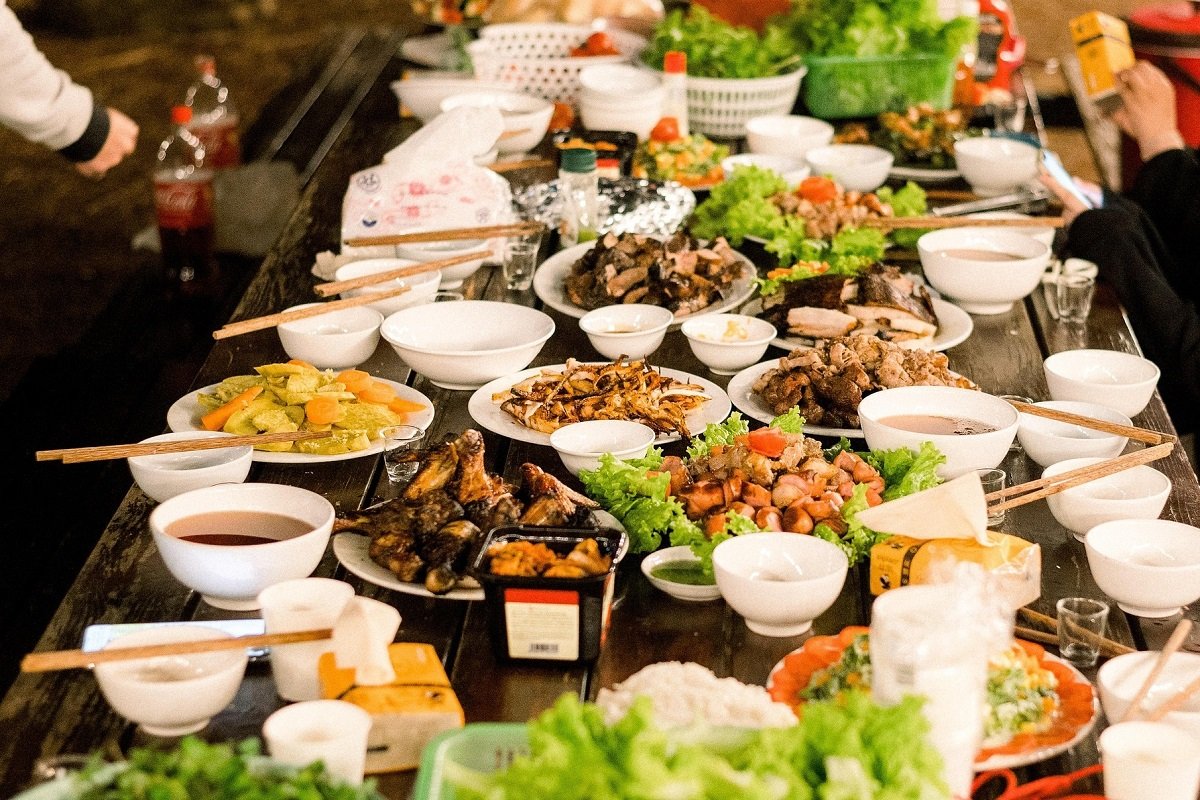
We recently reported on Brighton’s Sustainable Restaurant Guide. This is a substantial new endeavour created by a partnership between Restaurants Brighton, the University of Brighton, and the Brighton and Hove Food Partnership. It issues badges at three levels: Sustainability Explorer, Sustainability Leader, and Sustainability Champion.
A restaurant will improve its rating according to the degree of engagement it makes in five key ‘sustainability’ areas: water usage; energy and gas supply; menu and food waste; waste reduction, materials and chemicals; and social sustainability.
Various promotions are well underway now and I thought it might be a service to our readers to go and check out a few of these establishments and get a flavour of how they are performing.
Casazul
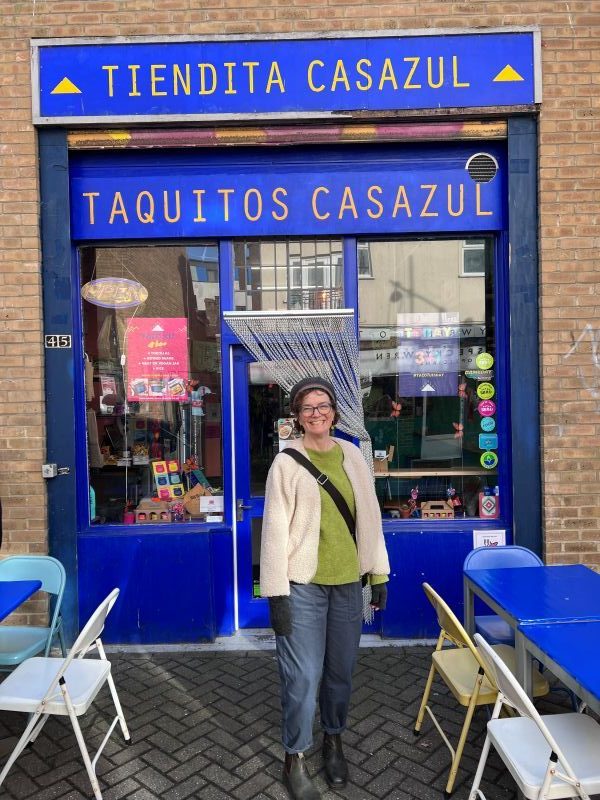
Close to home for me is Casazul, a ‘Sustainability Champion’. At the London Road end of the Open Market, this is a small, colourful, family-run place offering authentic Mexican cuisine. The menu was simple and attractive and the service was super friendly.
We had a mix of different tacos with home-made sauces. The mole was particularly tasty, “made with more than 40 ingredients including chillies, spices, nuts, seeds and bitter chocolate”. The Colorado was filled with oyster mushrooms and a roasted chilli sauce, avocado slices on the side. A couple of the tacos were made with flour from blue corn so you get a really striking, almost black taco.
We had rice and refried beans to accompany and the whole experience was pleasing indeed. We concluded with Mexican coffee with cinnamon and brown sugar, the beans all the way from Chiapas.
I spoke to the owner, Gabriel, who established the place six years ago and was great company and undoubtedly committed to the sustainability concept. He had a lot of knowledge of Mexican traditions and talked expertly both about the demands of trying to be ‘eco-friendly’ and the difficulties of running a restaurant in these harsh economic times.
He felt he had scored well on the sustainability ‘toolkit’ because of his commitment to zero-waste values and his determination to source “as much of his meat and vegetables as possible” locally.
I wanted to know what Gabriel thought specifically about the growing movement to reduce carbon emissions. Do the customers care? Are they prepared to pay for the extra effort required? He was well aware of the issues. He recognised he’s not the cheapest taco place in town but assumed that people who come there recognise the high quality of the food and that the whole package is prepared with love and attention.
He prided himself on attentive recycling and his careful purchasing decisions. He uses no additives, no gluten and no GM. It was all very simple. It was a pleasure to be there and I will certainly go back.
Casazul fully deserved its Champion status but the purpose of my enquiry is to explore the opportunities for restaurants to explicitly cut carbon emissions, all part of the drive to reach net zero by 2050.
The independent Committee on Climate Change says that food systems account for over a third of UK CO2 emissions and we estimate that, in Brighton and Hove, some 14% of that could be consumed in our vibrant food service industry, that is in the one thousand or so restaurants, coffee shops, pop-ups and takeaways in the city.
The best ways for a restaurant to cut carbon emissions are actually well understood. They include minimising waste, improving energy efficiency, reducing non-recyclable packaging, sourcing ingredients locally and seasonally, ‘educating’ customers about the significance of their choices, and, most obviously (and contentiously), promoting plant-based menus and reducing the volume of red meat consumed.
Nanima Asian Kitchen Cafe
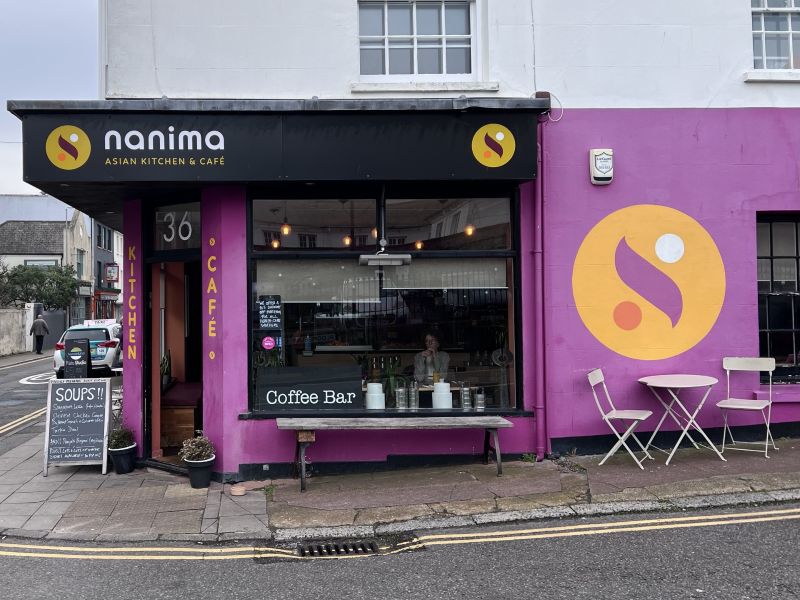
Another Sustainability Champion, Nanima Asian Kitchen Café, scores well on all of these metrics. With its colourful façade and prominent position on a corner in Kemptown, owners Lonnie and Nicky blend authentic Asian cuisines and endeavour to never throw anything away. With specialities from India, China, Vietnam, Thailand, Malaysia, Singapore and Afghanistan, they have no set menu and prepare unique dishes fresh every day.
They only prepare what they know from experience will be sold and eaten each day. They are careful about energy conservation, using smart energy meters, and turning off the equipment when it is not in use.
I was particularly taken with how serious Lonnie was about promoting reusable lunchboxes to minimise waste. There were a range of boxes to purchase and anybody that brings their own box gets a 10% discount. With this attention to detail, the place was a beguiling mixture of commitment to serious sustainability good practice and what Lonnie called “old school”.
There were probably 10 dishes available when we visited and we tried the chicken congee soup and the shakshuka with a Japanese stir fry. Both dishes were outstanding. We wanted to refuse, but then couldn’t resist, a (large) piece of the orange curd and chocolate fudge cake which went down a treat with excellent coffee.
Nanima has seats for around 20 customers, with tables inside and benches outside when it’s warm. It is licensed and serves a range of Asian bottled beers and wine.
These restaurants are putting their necks on the line and they need support. Fortunately, for me, it is easy to recommend the food they both serve. The friendly team and the commitment to sustainability good practice were a great bonus. Running any restaurant in these straitened times is hard bloody work and both of these places were truly engaged.
In putting my toe in the water in this competitive world, I was fully prepared to find a lot of green-washing. I may find that still but both of these establishments were serious and admirable in their efforts. Go check them out.
In the next instalment, we will visit some more Sustainability Champions and see what we find. We’ll also explore what more we, the discriminating consumer, can do to help.
Casazul
Unit 45, Marshall’s Row, Brighton BN1 4JU
Mon – Sat: 11am to 5pm
Sunday: 12am to 4pm
Nanima
36 St. George’s Road, Brighton BN2 1ED
Tues – Thurs: 10am to 6.00pm
Fri – Sat: 10am to 9pm

CLICK HERE TO DONATE TO OUR CROWDFUNDER
HELP US BECOME STRONGER SO THAT WE CAN CONTINUE TO DELIVER POWERFUL CITIZEN JOURNALISM!







