


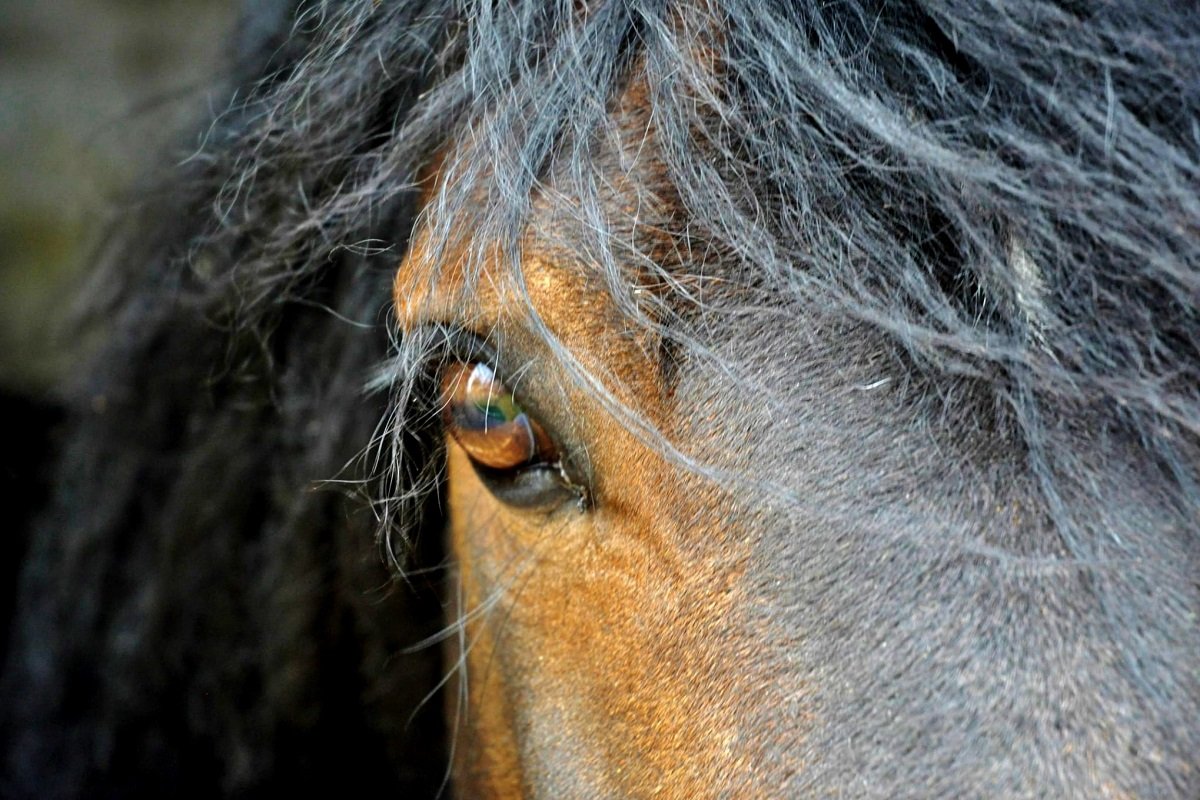
Like many little girls brought up in the countryside, I was pony-mad in my early years. There was never enough money for me to have my own pony, so I cadged free rides by grooming horses and mucking out stables at local riding schools – an option available to children from less affluent families that was, sadly, killed off by health and safety regulations in later years.
I was never much good as a rider, which didn’t seem to cool my enthusiasm. My fantasies of pony ownership came to an abrupt end after we moved to London and my mother booked me in for a ride with a rather posh Wimbledon riding school. I disgraced myself by falling off ten times on an excursion around Wimbledon Common. Admittedly my steed was a particularly bad-tempered and difficult pony, but even so… The riding school told my mother that I could only take part in future rides if she booked me in for a series of lessons, which she couldn’t afford to do. So my ambition of becoming an international show-jumper ended in ignominy.
A decade of joy and heartbreak
But my love for horses didn’t entirely go away – it just lay dormant for many years. My daughter inherited the same enthusiasm until academic life took over, and the young mare that she had been working with was left standing idle in the field. “She’s a lovely horse” said an expert friend of mine, “why don’t you consider breeding a foal from her?”
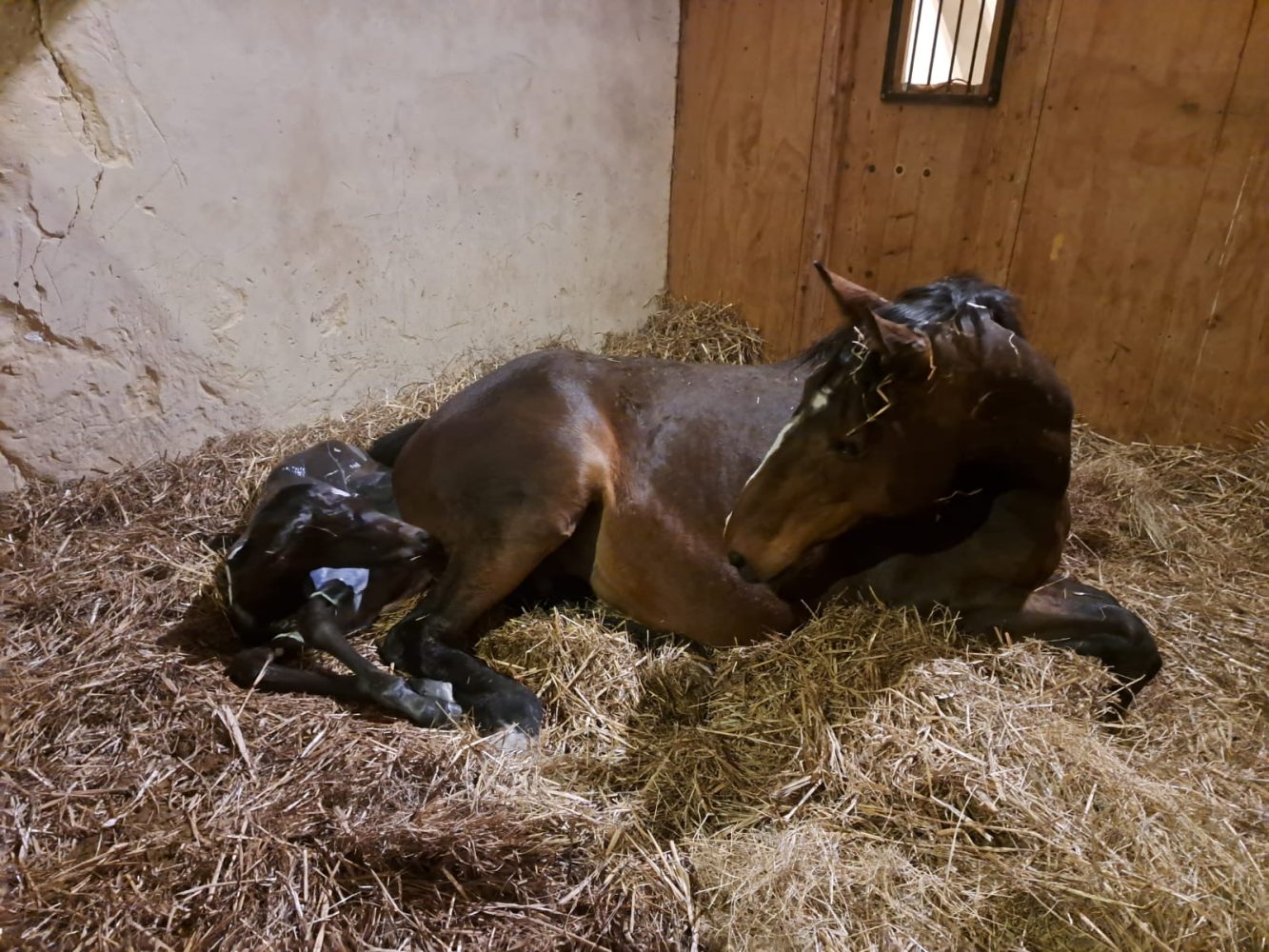
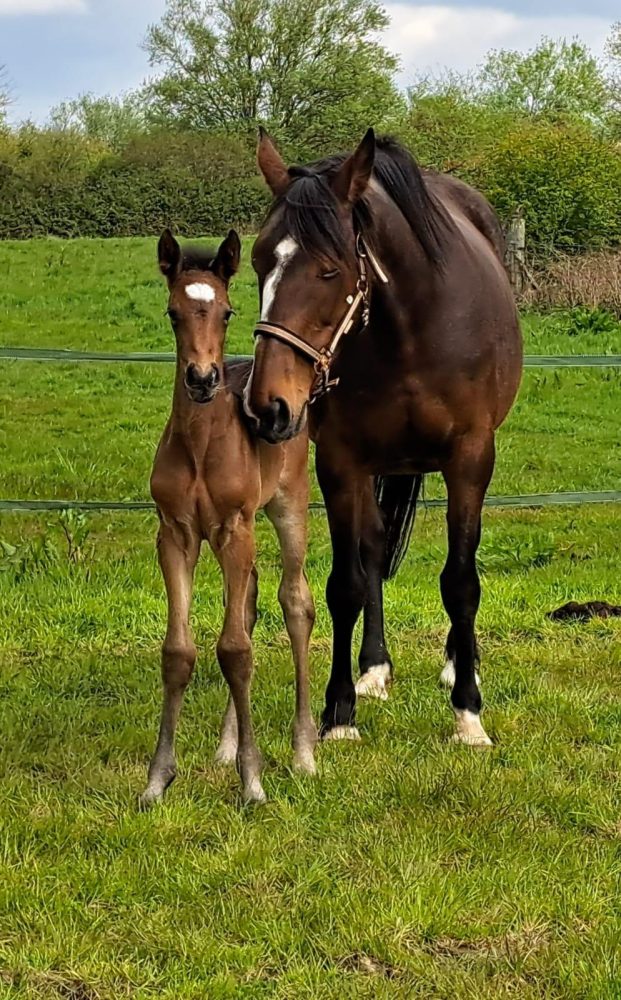
And so began a decade of joy, heartbreak, and knowledge sometimes acquired under the toughest of circumstances. There is no more magical sound than the soft and deep whicker that a mare gives when she first turns her head to greet her new-born foal into the world. And little like the sharp sense of grief both human and horse experience in their different ways when a foal is still-born.
Throughout history people have treasured and celebrated their horses – from the Roman emperor Caligula, who so loved his horse Incitatus that he invited him to dinner, to Wellington’s mount at the Battle of Waterloo, Copenhagen, whose marble headstone lies under the Turkey Oak on the Stratford Saye estate.
In spite of the fact that it is no longer at the centre of our economy, the British public still holds the horse in high affection, second only to dogs – hence the rightful outrage over a video showing top dressage rider Charlotte Dujardin repeatedly whipping the heels of a horse to “persuade” it to perform a particular movement. She has not only destroyed her own career in doing so but has increased concern that there may be some very suspect training methods going on behind the scenes in some equestrian competitive circles.
The importance of trust
At the centre of all the controversy is a quite extraordinary animal who rarely gets sufficient recognition for their willingness to cooperate with the requests made of them. Requests that often go against their instincts. Step into a confined space in a dark trailer? If I trust you, I will. Jump over that log when there may be dragons lurking on the other side? If I trust you, I will.
The most inspiring examples of horsemanship are those that demonstrate that level of trust and understanding: there’s a real aesthetic, a synergy of movement and of joy, with both human and horse obviously having the time of their lives. You can see it at the level of the amateur rider with their beloved cob just as with the very best professionals, who have no need of heavy bits, whips or training aides to gain their horse’s willing collaboration.
Watch a horse in a field and you will see them naturally gallop for joy, leap over a log out of sheer exuberance, rear and spin in play fighting with others in the herd. When they are asked to do so with a rider on their backs who can blame them if they question in return, “But can I trust you?” Sadly, it seems that much still needs to change in the attitudes towards training in some equestrian circles before the answer can be an absolute and unequivocal, “Yes!”

CLICK HERE TO DONATE TO OUR CROWDFUNDER
HELP US BECOME STRONGER SO THAT WE CAN CONTINUE TO DELIVER POWERFUL CITIZEN JOURNALISM!




