


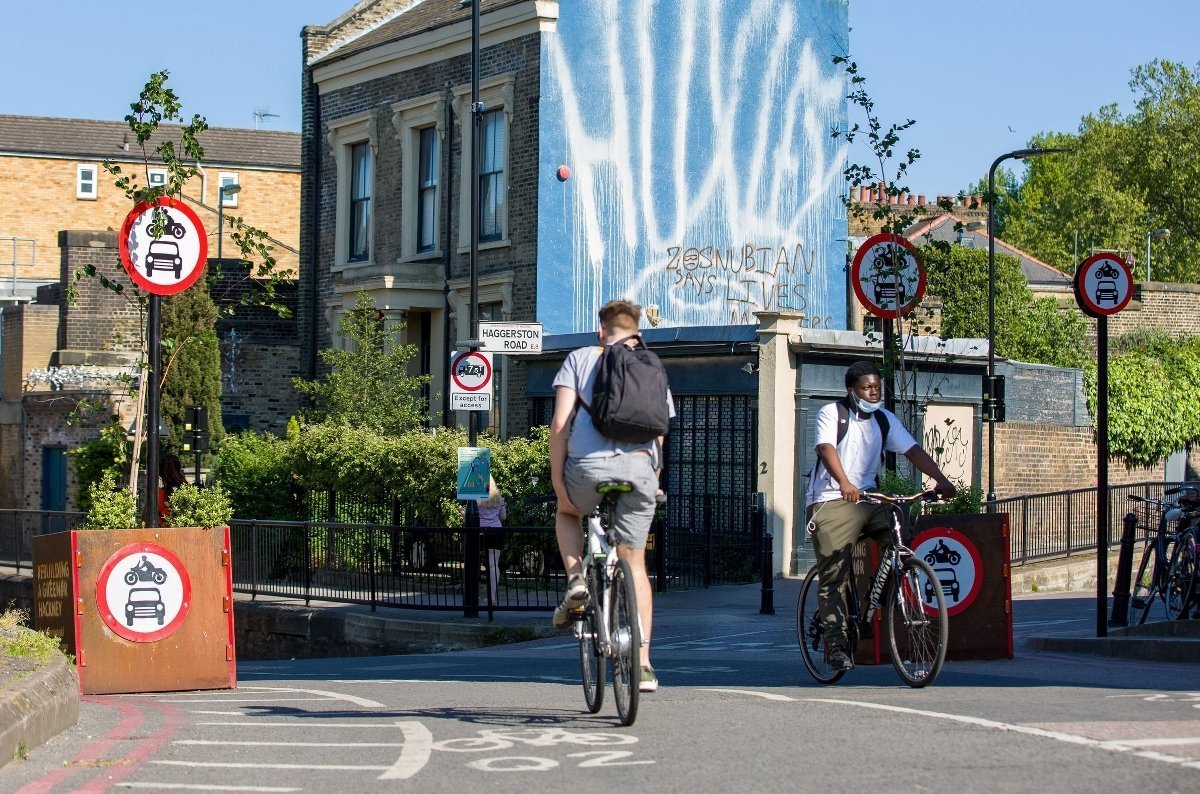
The idea behind creating low traffic neighbourhoods (LTNs) is to reduce the through-flow of traffic along residential streets, by using strategically placed filters such as bollards or planters, to prevent motorists from rat-running through them.
So far, so sensible.
Air pollution remains a risk factor in tens of thousands of deaths a year in the UK, with traffic emissions among the main sources. Thousands are also killed in road accidents every year, with most pedestrian casualties on minor urban roads. What could possibly be objectionable about reducing these impacts?
One reason is that LTNs have become a new front in the culture wars, increasingly the focus of critical right-wing press attention. They are also being whipped up as some sort of ‘evil plot’ by far-right conspiracy theorists with large social media followings.
Conservatives were dominant in running ads against LTNs during local elections last year. Although encouragingly, in Oxford there was pushback from residents defending such schemes.
LTNs polluting? The truth…
So what else do critics say? They claim that LTNs don’t actually reduce pollution or traffic volume overall, but merely displace them onto nearby roads. This sounds superficially plausible. But when you look at the data, it just isn’t true. Studies of recently implemented LTNs find that vehicular pollutants are reduced both within and around the boundaries of the LTN. The effect on traffic volume is similar, with substantial reductions within the LTN area.
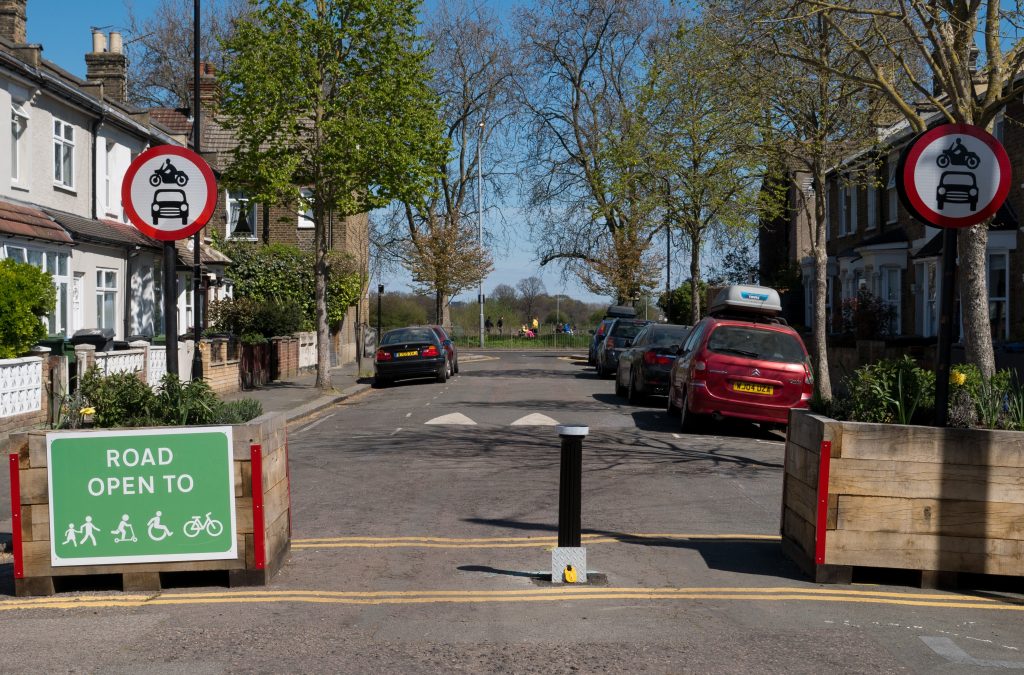
Around the LTN boundaries, results are initially more variable. Some do experience a slight increase in displaced traffic, but this usually reduces over time as people adjust their transport habits. This means local authorities shouldn’t be too quick to abandon LTNs in the face of such complaints. Any rises in displaced traffic volume at boundaries are vastly outweighed by the reductions within the LTN.
This results in more people walking and cycling around their neighbourhoods, as they feel safer doing so.
Parents and children in particular feel safer outside school gates. A study in Waltham Forest showed a threefold decrease in walking and cycling injuries inside LTNs compared to control areas. The estimated risk per hour travelled by pedestrians and cyclists reduced three- to fourfold. By promoting active travel, LTNs deliver indirect health benefits to their communities in addition to reduced pollution.
Oases for the affluent?
What do these communities look like? Another claim of critics is that LTNs are middle-class interventions, inhibiting the travel of working people to protect affluent residents. While this may be true in certain cases, it’s generally nonsense. Local authorities can account for socioeconomic factors when planning the location of new LTNs. Based on the distribution of London LTNs created in 2020, people in the most deprived areas were nearly three times more likely to live in one than those in the least deprived areas.
The trump card of opponents is to claim that LTNs increase response times of emergency service vehicles. Except… they don’t.
Though this hasn’t been well studied, existing research shows no effect of LTNs on fire engine responses. While fire crews attributed a higher proportion of delays to ‘traffic calming measures’ subsequent to the creation of LTNs, this was largely because the LTN was a new feature and presented more noticeable obstacles than other factors.
Something that does obstruct emergency service vehicles is heavy traffic, but because that’s normal, it isn’t usually identified as a specific cause of delays. And the most vocal, mostly right-wing, LTN critics have little to say about 13 years of Tory cuts to emergency services, which have resulted in the longest response times on record.
Cars: crazily inefficient
Ultimately, private cars are a crazily inefficient and unsustainable basis for 21st century transport systems, even if they’re electric. We must replace them as far as possible with accessible public and active transport. LTNs are a step in the right direction, shifting public space back into the hands of local people rather than cars.
It’s advised that LTNs work better and gain greater support if accompanied by complementary measures such as investment in bus networks, bus gates around LTNs, and local delivery depots to reduce traffic from delivery vehicles.
Sussex is starting to see its own LTN schemes implemented, such as the developing plan for Lewes High Street led by Cycle Lewes, and the Hanover and Tarner Livable Neighbourhood being developed in Brighton this year.
These should be supported against culture war crackpots taking their last perverse gasps of traffic fumes.

CLICK HERE TO DONATE TO OUR CROWDFUNDER
HELP US BECOME STRONGER SO THAT WE CAN CONTINUE TO DELIVER POWERFUL CITIZEN JOURNALISM!







