Take a stroll through any picturesque British walking spot – your favourite woodland trail, the local nature reserve, that National Trust place you only go to because the car park has decent loos- and you’ll soon encounter a curious new species. No, not a rare woodpecker or endangered orchid. I’m talking about the dog poo bag tree.
There it stands, majestic in the morning light, its branches adorned with little dangling ornaments in shades of black, green and- on truly special days- fluorescent pink. A festive display, except it’s not Christmas, and the baubles contain something far less celebratory.
This phenomenon has become so common that we barely register the absurdity anymore. Why are otherwise sensible dog owners marching into the countryside armed with biodegradable bags, dutifully picking up their beloved pet’s deposits… only to hang them in the nearest tree like an offering to the woodland gods?
Let’s unpack this modern mystery of rural Britain.
The curious psychology of the tree-hanging poo bagger
Before we judge, it’s worth remembering that most dog owners are decent, conscientious people who genuinely believe they’re doing the right thing. They pick up the poo (good), tie the bag securely (great), and then… suspend it from a branch like the world’s worst Christmas decoration (not great).
Why?
“I’ll pick it up on my way back”
This is the number-one excuse you hear from the guilty. It’s the classic British good intention: like going to the gym tomorrow or finally sorting out the drawer full of takeaway menus.
They absolutely meant to come back for the bag. They really did. But then the dog ran off, or the walk took a different turn, or they forgot which tree it was (they all look suspiciously similar), and- alas – the bag remains, waving gently in the breeze for the next three months.
The need to look responsible in public
We Brits are highly motivated by the fear of being judged by strangers. Someone walks past? Oh yes, best pick up the poo. Someone watching? Tie the bag, make a big show of it. Someone still looking? Maybe give a firm, responsible nod.
But once the audience has passed, the owner is suddenly alone with a warm bag of shame they don’t want to carry for the next 40 minutes. Solution? Pop it somewhere “temporarily”. The tree becomes a kind of cloakroom for canine waste.
Disgust: The silent influencer
Let’s be honest- no one likes carrying a bag of poo around. Even through plastic, it has that unmistakable warmth. That slight squish. That faint reminder that your dog, however adorable, is essentially a mobile digestive system.
Hanging the bag on a branch allows the owner to pretend, briefly, that it is no longer their problem.
A surprising number of people believe biodegradable bags melt away like sugar in the rain. They do not. Unless that woodland happens to have an industrial composting plant hidden among the bluebells, the bags will most likely sit there for years. In fact, a bog-standard plastic poo bag can last up to 1,000 years. Yes, a millennium. William the Conqueror’s horses have vanished from history, but your dog’s neatly packaged waste may outlive most of Britain’s historic monuments.
The environmental cost: A plastic time capsule of shame

The countryside is struggling enough with litter, pollution and the occasional person who thinks “I’ll just leave this mattress here, no one will mind”. Dog poo bags add yet another layer of headache.
Dog waste itself isn’t harmless. It can carry parasites, bacteria and other delights that disrupt ecosystems and harm wildlife. But at least it decomposes. Once it’s sealed in a plastic bag and lobbed into a hedge, it’s essentially cryogenically preserved for future generations.
And biodegradable bags? Let’s put it kindly: they struggle. They need heat, oxygen and microbial activity not the , oxygen-poor undergrowth of a damp British woodland. In these conditions, “biodegradable” means “will still be here several Prime Ministers from now”.
The wider consequences: The country is fed up
Ask any ranger, landowner or volunteer who spends their weekends cleaning up after the public, and they’ll tell you that hanging poo bags is one of their biggest frustrations. Local councils spend ridiculous amounts on waste removal. Conservation teams fill bag after bag with other people’s bags. Walkers tut loudly, because that is our national coping mechanism.
Worse still, some landowners have reported livestock eating the bags. Imagine explaining that to the vet.
It’s baffling that a nation so proud of its rolling hills and Areas of Outstanding Natural Beauty is simultaneously turning them into peculiar art installations of canine excrement.
Solutions: Because ranting alone won’t help
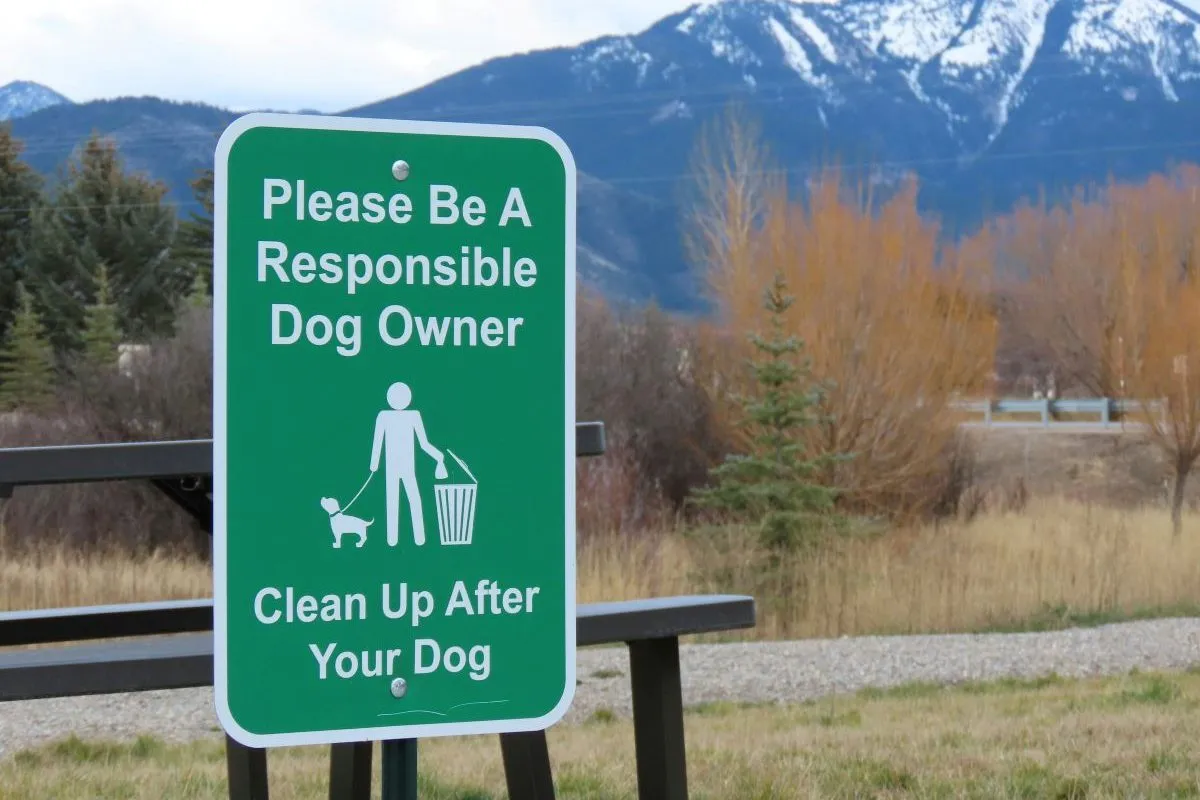
More bins might help, though installing them in every remote woodland is about as practical as installing phone chargers on every tree. Better signage has been shown to work- gentle reminders, stern warnings, even humour (“Your dog did the poo. You can do the carrying.”).
Some rural areas now promote a simple idea: if you’re properly out in the countryside and far from any bins, don’t bag it at all- just flick it off the path. Yes, officially. It’s called “stick and flick”, it avoids plastic waste entirely, and it beats decorating the nearest oak tree.
Ultimately, though, it comes down to responsibility. If you own a dog, you own the poo. If you put it in a bag, that bag becomes your personal little parcel to deal with properly- not a gift to the forest.
A final plea to Britain’s dog walkers
We are a nation of dog lovers. We parade our Labradors, spaniels, and excitable terriers like royalty. But let’s stop treating our countryside as a display case for their bowel movements.
Bag it.
Bin it.
Take it home if you must.
But for the love of all that is green and pleasant, stop hanging it in the trees.

CLICK HERE TO DONATE TO OUR CROWDFUNDER
HELP US BECOME STRONGER SO THAT WE CAN CONTINUE TO DELIVER POWERFUL CITIZEN JOURNALISM!